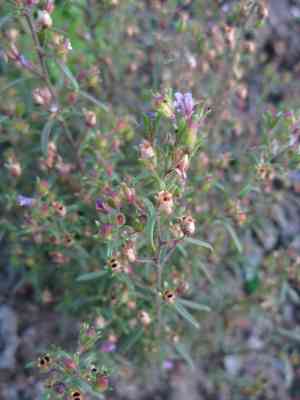
Dwarf snapdragons (Chaenorhinum)(Chaenorhinum)

Dwarf snapdragons (Chaenorhinum) (Chaenorhinum)

Also known as: Horned Rampion, Fairy Snapdragon

Dwarf snapdragons (Antirrhinum majus) are compact plants known for their vibrant, tubular flowers that mimic a dragon's mouth, which can "snap" open when pinched. These flowers come in a wide range of colors, including red, pink, yellow, orange, and white. The plants usually grow up to 8-12 inches tall, making them ideal for borders and containers.

Native to the Mediterranean region, including areas like Turkey, these plants flourish in dry, rocky terrains and well-drained soil. They prefer full sun and have a long blooming season from spring to fall. The leaves are typically linear to oblong and are arranged oppositely at the base. The flowers are zygomorphic, meaning they have bilateral symmetry, and are often found in terminal racemes or singly in the leaf axils of branching stems.

Attributes of Dwarf snapdragons (Chaenorhinum)

Lifespan
Annual
Plant Height
10-30 cm (4-12 inches)
Spread
Up to 30 cm (12 inches)
Leaf Color
Green
Flower Size
1-2 cm (0.4-0.8 inches)
Flower Color
Blue, purple, white

ForwardPlant - Identify plants with a snap

Identify and diagnose plants, get toxicity alerts, and explore safety guides for all types of fungi.

Try for Free

Images of Dwarf snapdragons (Chaenorhinum)

Dwarf snapdragons (Chaenorhinum)(Chaenorhinum)

Quickly Identify Dwarf snapdragons (Chaenorhinum)

1
Identify Chaenorhinum by its small, elongate flowers that often have a slight spur or horn at the back. The leaves are generally lanceolate to ovate, and the plant can form low mats or clumps.

Scientific Classification of Dwarf snapdragons (Chaenorhinum)

Phylum
Tracheophyta
Class
Magnoliopsida
Order
Lamiales
Family
Plantaginaceae
Genus
Chaenorhinum

Planting and Growing of Dwarf snapdragons (Chaenorhinum)

Care Difficulty
Easy
Watering Schedule
Every 3 days
Sunlight Requirements
Full sun
Sunshine Duration
6-10 hours
Ideal Temperature
60-75℉
Soil Type
Potting Mix, Peat Mix
Soil pH
6.5-7.5
Fertilizer Type
Balanced
Pruning Season
Spring, Summer
Pruning Area
Branches, Leaves
Pruning Frequency
2 times a year
Repotting Season
Spring
Pot Type
Terracotta, Plastic

water icon How to Water Dwarf snapdragons (Chaenorhinum)?

Chaenorhinum prefers to have its soil consistently moist but not waterlogged. Water until 250 ml per pot has been absorbed, ensuring it drains through the soil without flooding the roots.
What are the symptoms of an underwatered Dwarf snapdragons (Chaenorhinum)?
What should I do if my Dwarf snapdragons (Chaenorhinum) is not getting enough water?
What are the symptoms of an overwatered Dwarf snapdragons (Chaenorhinum)?
How to save an overwatered Dwarf snapdragons (Chaenorhinum)?

sunlight icon What Are the Sunlight Requirements for Dwarf snapdragons (Chaenorhinum)?

Sunlight Requirements: Full sun, Partial sun
Duration of light: 4 to 6 hours
Chaenorhinum's ideal light range is full to partial sun, which maximizes blooming potential, enhances growth, and ensures a vivid display of flowers and vibrant foliage.
How much light does Chaenorhinum need?
What if my garden lacks full sun?
How to measure sunlight for Chaenorhinum?

temperature icon What Is the Ideal Temperature Range for Dwarf snapdragons (Chaenorhinum)?

Ideal Temperature: 60 ~ 75℉
The ideal temperature range for growing Chaenorhinum is between 60°F to 75°F. This range allows the plants to thrive, maximizing growth and flowering. Maintaining this temperature range helps ensure the plant's photosynthesis and metabolic processes occur efficiently.

soil icon What Soil is Best for Dwarf snapdragons (Chaenorhinum)?

Soil type: Loam, Sandy loam, Sandy soil
Soil PH: 6.5 ~ 7.5
Chaenorhinum thrives in soils that provide excellent drainage. This prevents root rot, which can be detrimental to the plant's health. Ensuring proper soil drainage allows the roots to access oxygen more efficiently, promoting robust growth. The plant prefers soils rich in organic matter, providing essential nutrients for its development. A fertile soil promotes healthy flower production and vivid foliage, enhancing the plant's ornamental appeal. While good drainage is vital, the soil should maintain moderate moisture levels. This balance ensures that the roots receive consistent hydration without being waterlogged, creating an optimal growth environment.

fertilize icon How to Fertilize Dwarf snapdragons (Chaenorhinum)?

Fertilizer type: Balanced
Chaenorhinum requires a moderate amount of fertilizer to promote healthy growth. Use a balanced liquid fertilizer, diluted to half strength, about twice a month during the growing season. This helps the plant maintain vibrant foliage and encourages flowering without causing excess nutrient buildup in the soil.

prune icon How to Prune Dwarf snapdragons (Chaenorhinum)?

Pruning Time: Spring, Summer, Autumn
Begin by sterilizing your pruning shears to prevent disease. Identify any dead or diseased stems and remove them completely. Trim back any overly long branches to preserve the plant's shape, and remove any spent flowers to encourage new blooms. Be sure to cut just above a node or branching point for best results.

propagate icon How to Propagate Dwarf snapdragons (Chaenorhinum) plant?

Propagate Time: Spring, Early summer
1
Start by filling the seed tray with a suitable seed-starting mix. Scatter the seeds evenly on the surface and lightly cover them with a thin layer of the mix. Water gently to avoid washing seeds away, and cover with a plastic lid to retain humidity.
2
Select healthy, mature stems. Use pruning shears to cut a 10-15 cm section just below a node. Remove the leaves from the lower half and dip the cut end in rooting hormone before placing it in the growing medium.
3
Once the seedlings have a couple of true leaves, carefully transplant them into individual pots. Handle them by leaves or root ball, not the stem, to avoid damage. Water thoroughly after transplanting.

repot icon How to Repot Dwarf snapdragons (Chaenorhinum) plant?

Repotting frequency: Every 2-3 years
1
It's time to repot Chaenorhinum when you notice the roots growing out of the drainage holes or the plant looking top-heavy and struggling to retain water. These are the signs indicating that the current pot is too small and that it's time to give your plant a bit more room to thrive and grow.
2
Opt for a pot that is one size larger than the current one, with ample drainage holes. A properly sized pot encourages even growth and helps prevent overwatering issues, ensuring that your Chaenorhinum doesn't become waterlogged and can maintain its cheerful and resilient demeanor as it continues to flourish.
3
When selecting soil, choose a mix that is well-draining yet rich in nutrients, such as a sandy loam blend. This type of soil supports moisture retention without becoming waterlogged, allowing your Chaenorhinum to fully utilize its new home and benefit from the additional space and nutrients.

ForwardPlant - Identify plants with a snap

Find the best spots for them to optimize their health, simply using your phone.

Try for Free
