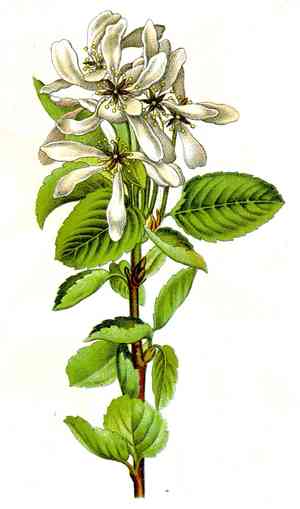
Cathay quince (Chaenomeles cathayensis)
Also known as: Cathaye's quince
The Cathay quince (Chaenomeles cathayensis) is distinguished by its spreading, thorny branches and striking blossoms, which range from white to pink. This deciduous shrub, native to temperate areas of China, features glossy, dark green leaves that create a vivid background for its eye-catching, scarlet fruit. The fruit, which resembles a pome, remains on the branches into winter, providing a food source for wildlife against the stark, leafless branches of the shrub.
In This Article
Attributes of Cathay quince
Lifespan
Perennial
Plant Type
Shrub
Plant Height
3 m
Spread
3 m
Leaf Color
Green
Flower Size
2.5 cm to 5 cm
Flower Color
White Pink
Images of Cathay quince
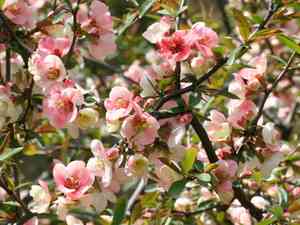
Quickly Identify Cathay quince
1
Identify Chaenomeles cathayensis by its large, oval, serrated leaves, pale pink to white flowers in spring, and distinctive yellow, pear-shaped fruits in the late summer and fall.
Scientific Classification of Cathay quince
Phylum
Vascular plants
Class
Dicotyledons
Order
Roses, elms, figs, and allies
Family
Rose
Genus
Flowering quinces
Species
Cathay quince
Planting and Growing of Cathay quince
Care Difficulty
Easy
Watering Schedule
Every 5 days
Sunlight Requirements
Full sun
Sunshine Duration
6-10 hours
Ideal Temperature
50-77℉
Soil Type
Potting Mix, Peat Mix
Soil pH
6.5-7.5
Fertilizer Type
Balanced
Pruning Season
Spring, Summer
Pruning Area
Branches, Leaves
Pruning Frequency
2 times a year
Repotting Season
Spring
Pot Type
Ceramic, Plastic
 How to Water Cathay quince?
For Chaenomeles cathayensis, the key is to ensure the soil is consistently moist but never waterlogged. Aim to provide about 500 mL of water until the moisture penetrates 1-2 inches deep, avoiding standing water.
What are the symptoms of an underwatered Cathay quince?
›
What should I do if my Cathay quince is not getting enough water?
›
What are the symptoms of an overwatered Cathay quince?
›
How to save an overwatered Cathay quince?
›
 What Are the Sunlight Requirements for Cathay quince?
Chaenomeles cathayensis flourishes best in full sun to partial sun conditions. Appropriate lighting enhances photosynthesis efficiency, leading to intensified flowering and fruit production, while ensuring plant health through balanced growth.
More About Sunlight Requirements Techniques→
Preferred Sunlight Exposure
›
Solution to Achieve Ideal Sun Exposure
›
Benefits of Adequate Light
›
 What Is the Ideal Temperature Range for Cathay quince?
The ideal temperature range for Chaenomeles cathayensis is between 50°F and 77°F. Maintaining temperatures within this range helps ensure optimal growth conditions, promoting healthy foliage and vibrant blooms.
 What Soil is Best for Cathay quince?
Chaenomeles cathayensis thrives in well-drained soils that prevent waterlogging, thus avoiding root rot and promoting healthy root growth. This plant benefits from nutrient-rich soil which supports optimal growth and abundant flowering, ensuring the plant reaches its full ornamental potential. The soil should retain moderate moisture to sustain the plant during dry spells without causing excessive dampness, which balances water and air for the roots.
 How to Fertilize Cathay quince?
For Chaenomeles cathayensis, it's crucial to use a balanced approach concerning fertilizer amount. While liquid fertilizers should be applied at half strength bi-weekly, slow-release granular fertilizers require about 1/4 cup applied three times annually. Careful measurement ensures the plant absorbs essential nutrients without risk of nutrient burn.
 How to Prune Cathay quince?
Start by cutting away any branches that appear dead, damaged, or diseased. This helps prevent disease spread and encourages vigor. Trim excess growth to shape the plant, allowing sunlight and air to penetrate the canopy. Keep a balanced structure for aesthetic appeal. Make cuts at a 45-degree angle, just above a bud facing the direction you want new growth to go. This promotes healthy shoot development.
More About Pruning Techniques→
 How to Propagate Cathay quince plant?
1
Harvest ripe fruit from the Chaenomeles cathayensis in autumn and extract the seeds. Clean them thoroughly to remove any pulp, which may prevent germination.
2
Select healthy stems in early spring and cut them into segments of about 10-15 cm in length. Strip the lower leaves and dip the cut ends in rooting hormone.
3
In spring, select a low-growing branch, bend it to the ground, and cover part of it with soil, keeping the tip exposed. This encourages the covered section to develop roots.
 How to Repot Cathay quince plant?
1
Chaenomeles cathayensis indicates its need for repotting when roots protrude from drainage holes or when growth noticeably slows. Early signs of compacted soil or discoloration in foliage can also suggest it's time for a change. The best seasons for repotting are spring and autumn, allowing the plant to adapt without the added stress of summer heat or winter chill.
2
Select a pot that offers generous drainage and is 1-2 inches larger in diameter than the current one. This gives the roots ample space to grow, reducing the need for frequent repotting and ensuring stability. Terracotta pots are ideal due to their breathability, promoting healthy root growth by preventing water stagnation.
3
Opt for well-draining loamy soil enriched with organic matter. This type of soil retains necessary moisture while allowing excess water to escape easily, preventing root rot. A good balance of nutrients supports the plant’s health and encourages vibrant flowering.



