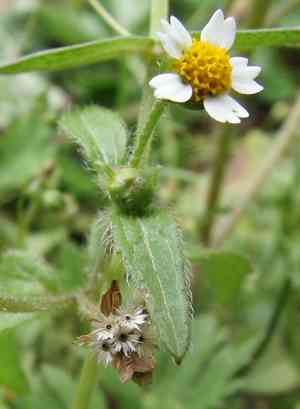
Nevada dustymaiden (Chaenactis nevadensis)
Also known as: Sierra pincushion, Nevada pincushion
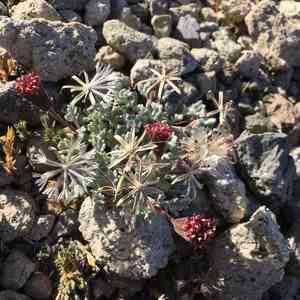
The Nevada dustymaiden (Chaenactis douglasii) is a resilient perennial herb well-adapted to thrive in arid environments. Key features include its compact form and sparse, woolly leaves, which help minimize water loss. The plant is distinguished by its white to pale pink, tubular flowers with a feathery look. Its deep taproot is crucial for accessing groundwater, aiding its survival during extended dry spells. Additionally, its woolly foliage reflects sunlight and conserves moisture, making the Nevada dustymaiden well-suited to the harsh conditions of high-desert habitats.
In This Article
Attributes of Nevada dustymaiden
Lifespan
Annual
Plant Type
Herb
Plant Height
12-18 inches (30-45 cm)
Spread
10-12 inches (25-30 cm)
Leaf Color
Gray-green
Flower Size
0.5-1 inch (1.3-2.5 cm)
Flower Color
White to pink
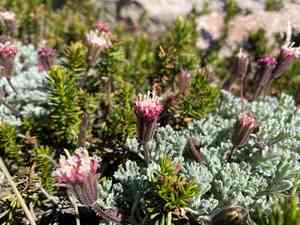
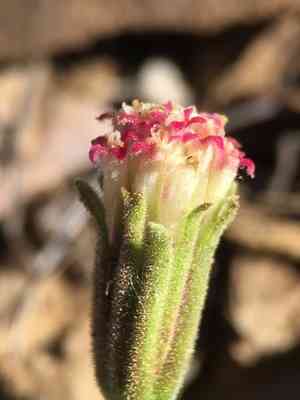
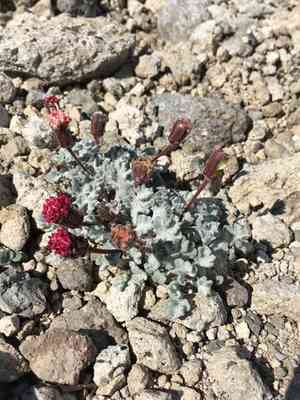
Images of Nevada dustymaiden
Quickly Identify Nevada dustymaiden
1
Chaenactis nevadensis can be identified by its finely dissected, gray-green leaves and its small, cushion-like clusters of flowers. The plant also exudes a slight fragrance and has a somewhat woolly texture to its foliage.
Scientific Classification of Nevada dustymaiden
Phylum
Vascular plants
Class
Dicotyledons
Order
Asterales
Family
Daisy
Genus
Pincushions
Species
Nevada dustymaiden
Planting and Growing of Nevada dustymaiden
Care Difficulty
Moderate
Watering Schedule
Every 2 days
Sunlight Requirements
Full sun
Sunshine Duration
4-8 hours
Ideal Temperature
60-75℉
Soil Type
Potting Mix, Peat Mix
Soil pH
6.5-7.5
Fertilizer Type
Balanced
Pruning Season
Spring, Summer
Pruning Area
Branches, Leaves
Pruning Frequency
2 times a year
Repotting Season
Spring
Pot Type
Plastic, Ceramic
 How to Water Nevada dustymaiden?
For Chaenactis nevadensis, it is crucial to stick with a moderate watering approach. Immerse the soil until it is thoroughly moist, but take care not to saturate it heavily. Allow excess water to run off to avoid root decay.
What are the symptoms of an underwatered Nevada dustymaiden?
›
What should I do if my Nevada dustymaiden is not getting enough water?
›
What are the symptoms of an overwatered Nevada dustymaiden?
›
How to save an overwatered Nevada dustymaiden?
›
 What Are the Sunlight Requirements for Nevada dustymaiden?
Chaenactis nevadensis ideally needs full sun, thriving with at least 6 to 8 hours of direct sunlight daily. Adequate light is crucial for photosynthesis, leading to maximal growth, vibrant flower production, and resilient plant health.
What is the optimal light for Chaenactis nevadensis?
›
How can you achieve ideal lighting for Chaenactis nevadensis?
›
What are the benefits of proper lighting for Chaenactis nevadensis?
›
 What Is the Ideal Temperature Range for Nevada dustymaiden?
The ideal temperature range for growing Chaenactis nevadensis is between 60°F and 75°F. This range ensures optimal growth and flowering while maintaining the plant's natural health and resilience. Maintaining this temperature helps avoid stress and supports healthy metabolic functions essential for its development.
 What Soil is Best for Nevada dustymaiden?
Chaenactis nevadensis thrives in soils that provide excellent drainage. The drainage prevents water from accumulating around the roots, thus avoiding root rot and other water-related diseases. While hardy, these plants require moderate levels of nutrients to support their growth. They don't need overly fertile soil, ensuring you don't over-fertilize and risk nutrient burn. A slightly alkaline environment with a soil pH between 6.5 and 7.5 suits Chaenactis nevadensis well. This range supports optimal nutrient uptake without risking mineral lockout.
 How to Fertilize Nevada dustymaiden?
For Chaenactis nevadensis, a light application of fertilizer is recommended due to its adaptability to nutrient-poor soils. Apply about half the recommended dose for general garden plants. For liquid fertilizers, use a diluted solution with an NPK ratio of approximately 20-20-20, making sure not to exceed 1 tablespoon per gallon of water.
 How to Prune Nevada dustymaiden?
Use sharp, clean pruning shears to avoid damaging the plant. This ensures smooth cuts and reduces the risk of infection. Start by removing any dead or diseased branches. This prevents the spread of disease and allows the plant to focus energy on healthy growth. Lightly shape the plant by cutting back overgrown stems, helping to maintain a balanced and attractive appearance while encouraging new growth. Prune during the growing seasons - spring, summer, or autumn - to allow for quick recovery and stimulate new growth.
More About Pruning Techniques→
 How to Propagate Nevada dustymaiden plant?
1
Fill the seed tray with a suitable potting mix, ensuring it is evenly distributed. Moisten the mix lightly before planting the seeds to create a hospitable environment. The moist mix helps the seeds to settle and prevents disturbance when watering later on.
2
Evenly distribute the seeds over the surface of the potting mix in the tray. Cover the seeds lightly with a thin layer of the mix or sand. Make sure the seeds are not buried too deep, as this can hinder germination; generally, a covering of twice the seed's diameter is ideal.
3
Use a gentle spray to mist the surface, ensuring the seeds are kept moist but not waterlogged. Place the tray in a warm, bright area but away from direct sunlight. Consistent moisture and warmth are key for successful germination, typically taking a few weeks to occur.
 How to Repot Nevada dustymaiden plant?
1
Chaenactis nevadensis signals its need for repotting when its roots begin to circle the pot, suggesting it's root-bound. Additionally, slowed growth or water pooling at the top can indicate that the plant needs more space. The best time for repotting is during its active growing seasons, spring and summer, when it can quickly recover from any potential stress.
2
Choose a pot that is slightly larger than the current one, ideally with drainage holes to prevent waterlogging. The material should be porous, like terracotta, which allows air exchange and moisture regulation, benefiting the root health of Chaenactis nevadensis.
3
A well-draining sandy mix is ideal for Chaenactis nevadensis. This type of soil mimics its natural arid environment, ensuring that water doesn't linger and rot the roots, while also providing adequate aeration for healthy plant development.


