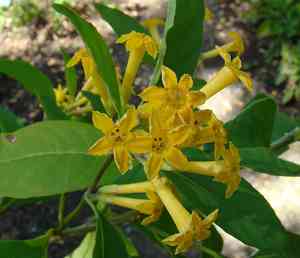
Chilean cestrum(Cestrum parqui)

Chilean cestrum (Cestrum parqui)

Also known as: Green poisonberry, Willow-leaf jessamine

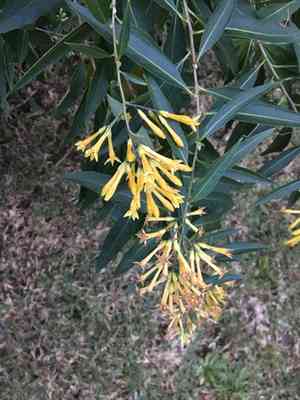
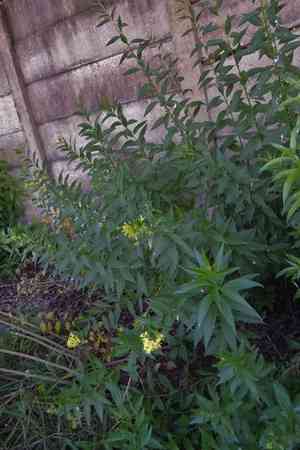
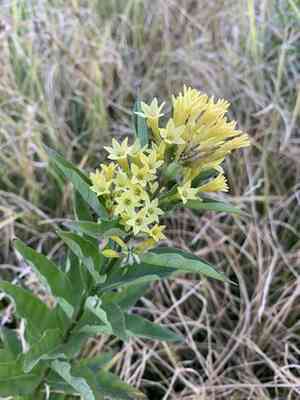
Chilean cestrum (Cestrum parqui) is a deciduous shrub that produces clusters of yellow-green, tubular flowers from summer to fall, releasing a strong, sweet fragrance in the evening. Ideal for planting near outdoor seating areas, it creates a pleasant atmosphere for evening gatherings. Although recognized as a top plant by the Royal Horticultural Society, it can become invasive in warmer regions.

**Key Considerations:**
1. **Light Requirements**: Thrives in full sun but can adapt to partial shade.
2. **Soil Needs**: Prefers well-drained soils and can tolerate a range of soil types.
3. **Watering**: Once established, it is drought-tolerant but benefits from regular watering during dry spells.
4. **Size and Growth**: Reaches heights and widths of 6-10 feet, requiring ample space.
5. **Pruning**: Prune to shape and promote healthy growth.
6. **Hardiness Zones**: Suitable for USDA zones 8-11; may need winter protection in cooler areas.
7. **Toxicity**: All plant parts are toxic if ingested, so plant with caution around children and pets.
8. **Pest Resistance**: Generally resistant to pests, though occasionally affected by aphids and spider mites.

By considering these aspects, you can effectively integrate Chilean cestrum into your garden, enjoying its beauty and fragrance while managing its growth.

Attributes of Chilean cestrum

Lifespan
Perennial
Plant Type
Tree, Shrub
Plant Height
1.2 m to 4.5 m
Spread
1.5 m
Leaf Color
Green
Flower Size
2.5 cm
Flower Color
Yellow Green

ForwardPlant - Identify plants with a snap

Identify and diagnose plants, get toxicity alerts, and explore safety guides for all types of fungi.

Try for Free

Images of Chilean cestrum

Chilean cestrum(Cestrum parqui)

Quickly Identify Chilean cestrum

1
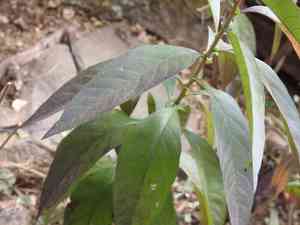
To identify Cestrum parqui, look for a shrub with glossy, dark green leaves that are lanceolate in shape. The plant produces clusters of small, tubular yellow-green flowers which are highly fragrant, especially in the evening.

Scientific Classification of Chilean cestrum

Phylum
Vascular plants
Class
Dicotyledons
Order
Solanales
Family
Nightshade
Genus
Cestrums
Species
Chilean cestrum

Planting and Growing of Chilean cestrum

Care Difficulty
Easy
Watering Schedule
Every 2 days
Sunlight Requirements
Full sun
Sunshine Duration
6-12 hours
Ideal Temperature
65-75℉
Soil Type
Potting Mix, Peat Mix
Soil pH
6.5-7.5
Fertilizer Type
Balanced
Pruning Season
Spring, Summer
Pruning Area
Branches, Leaves
Pruning Frequency
2 times a year
Repotting Season
Spring
Pot Type
Plastic, Ceramic

water icon How to Water Chilean cestrum?

Cestrum parqui enjoys a moderate amount of water. When watering, pour approximately 500 ml evenly around the base. Ensure you water until the soil is moist but not soggy, simulating a brief but nourishing rain shower.
What are the symptoms of an underwatered Chilean cestrum?
What should I do if my Chilean cestrum is not getting enough water?
What are the symptoms of an overwatered Chilean cestrum?
How to save an overwatered Chilean cestrum?

sunlight icon What Are the Sunlight Requirements for Chilean cestrum?

Sunlight Requirements: Full sun, Partial sun
Duration of light: 6 to 8 hours
Cestrum parqui flourishes in full to partial sun, benefiting from about 6 to 8 hours of sunlight. Ideal lighting ensures sufficient energy for photosynthesis, leading to healthy foliage and profuse blooming.
How much sunlight is ideal for Cestrum parqui?
Can Cestrum parqui tolerate shade?
What if my garden has varying light conditions?
More About Sunlight Requirements Techniques

temperature icon What Is the Ideal Temperature Range for Chilean cestrum?

Ideal Temperature: 65 ~ 75℉
For optimal growth, Cestrum parqui thrives best in temperatures ranging from 65 to 75°F. This range allows the plant to photosynthesize effectively and maintain its growth and blooming cycles throughout the year without stress.

soil icon What Soil is Best for Chilean cestrum?

Soil type: Loam, Sandy loam, Sand soil
Soil PH: 6.5 ~ 7.5
Cestrum parqui thrives in well-drained soil to prevent root rot. The well-draining capability helps ensure that excess water doesn't linger around the roots, promoting healthier growth. Loamy soil with moderate fertility is ideal for Cestrum parqui. The presence of organic matter allows the plant to access necessary nutrients without being overwhelmed, resulting in balanced growth and vibrant foliage. While Cestrum parqui prefers well-drained soil, some moisture retention is beneficial, especially in sandy areas. Moderate moisture retention helps maintain hydration during dry spells without causing waterlogging.

fertilize icon How to Fertilize Chilean cestrum?

Fertilizer type: Balanced
For Cestrum parqui, the recommended amount is generally about half a tablespoon of balanced liquid fertilizer per gallon of water. This should be administered during the growing season, ensuring the plant receives nutrients without overwhelming it.

prune icon How to Prune Chilean cestrum?

Pruning Time: Spring, Summer
Start pruning by examining the plant for any dead or diseased branches. Carefully remove these sections using clean, sharp pruners to enhance the plant's overall health. Trim the plant to achieve a desirable shape, focusing on even distribution of foliage and symmetry. This not only enhances aesthetics but also promotes better air circulation. Regularly assess your plant for overcrowded branches, which can inhibit growth. Thin out these areas to allow sunlight penetration and encourage new growth. More About Pruning Techniques

propagate icon How to Propagate Chilean cestrum plant?

Propagate Time: Spring,Early summer
1
Choose mature seeds from a healthy Cestrum parqui plant. The seeds should be cleaned and free from any signs of disease or mold to ensure optimal germination rates.
2
Select a healthy parent plant and use sharp secateurs to cut a 4-6 inch section just below a leaf node. Remove the leaves from the lower part of the cutting to promote root development.
3
Plant the seeds or cuttings in a well-draining potting mix. Water immediately to moisten the soil, then place in a warm, bright location out of direct sunlight to encourage growth.
More About Propagating Techniques

repot icon How to Repot Chilean cestrum plant?

Repotting frequency: Every 2-3 years
1
Cestrum parqui signals the need for repotting when you notice roots emerging from the drainage holes or the growth seems stunted despite adequate care. This usually happens every two to three years, primarily in the active growing seasons of spring and summer. Observing these signs will ensure your plant continues to thrive.
2
When selecting a pot, ensure it is only slightly larger than the current one—roughly 1-2 inches in diameter larger. This helps prevent waterlogging and provides just enough room for growth without overwhelming the plant. A pot with good drainage holes is essential to keep the roots healthy.
3
Choosing a well-draining sandy loam is key for Cestrum parqui. This soil type allows for excellent drainage while retaining sufficient moisture, mimicking the plant's native habitat. Ensuring the right soil mix promotes healthy root development and prevents issues like root rot.

ForwardPlant - Identify plants with a snap

Find the best spots for them to optimize their health, simply using your phone.

Try for Free

Toxicity of Chilean cestrum

Is Chilean cestrum toxic to humans?

Chilean cestrum presents a serious hazard to humans owing to its high toxicity levels. Every part of this plant is poisonous, and exposure usually occurs through ingestion. If consumed, chilean cestrum can lead to an array of severe symptoms, which may include, but are not limited to, gastrointestinal issues like severe vomiting and diarrhea, as well as additional systemic effects such as headaches, dizziness, and potentially fatal complications. All parts of the plant—leaves, stems, and berries—must be regarded as hazardous, necessitating vigilance to prevent accidental consumption, particularly by children who may be attracted to the plant's berries.

Is Chilean cestrum toxic to cat?

The Chilean cestrum presents a significant health hazard to felines, as every component of the plant is toxic. If cats consume any part of the Chilean cestrum, whether out of curiosity or by accident, they could face the risk of severe toxicity. The effects of ingestion can manifest as various physical distress symptoms, including gastrointestinal issues or neurological disturbances, signaling a serious condition that requires prompt veterinary intervention. Cat owners should prioritize immediate professional care at a veterinary clinic if there is any suspicion of ingestion, ensuring the best possible recovery for their beloved pet.

Is Chilean cestrum toxic to dog?

The Chilean cestrum presents a significant toxicity threat to dogs. Any part of this plant can cause poisoning in canines, as the entire organism is toxic. Dogs may inadvertently consume chilean cestrum, erroneously identifying it as harmless vegetation. Symptoms of poisoning in dogs can range from vomiting, diarrhea, and abdominal discomfort to more severe reactions like seizures or collapse, owing to the high toxicity levels. In the event that a dog consumes chilean cestrum, it is crucial to obtain immediate veterinary assistance to manage the poisoning and maximize the chances of recovery.

Identify toxic plants for your safety

Learn which plants are harmful to you and your pets, and make informed choices for a safer home!

Try for Free
WARNING
The judgment on toxicity and danger is for reference only. We DO NOT GUARANTEE any accuracy of such judgment. Therefore, you SHALL NOT rely on such judgment. It is IMPORTANT TO SEEK PROFESSIONAL ADVICE in advance when necessary.
More About Toxic Techniques