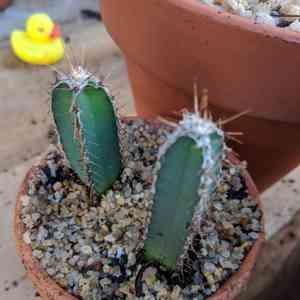
Cereus forbesii (Cereus forbesii)
Also known as: Ming Thing
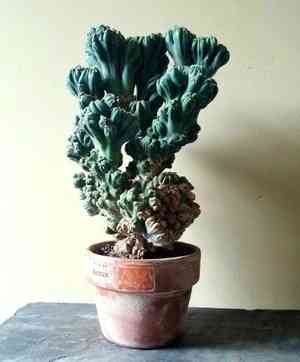
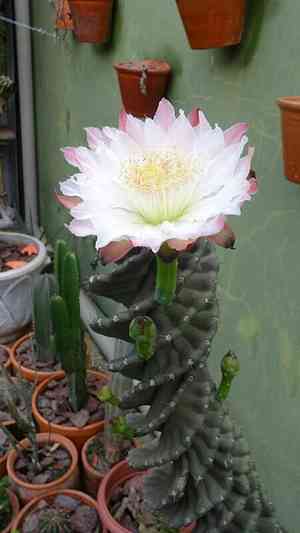
Cereus forbesii, a type of columnar cactus, originates from Bolivia and extends up to North Central Argentina. It has commonly known hybrids such as 'Ming Thing', a monstrose form, and 'Spiralis', which is characterized by its vertical spiral growth behavior.
In This Article
Attributes of Cereus forbesii
Lifespan
Cereus forbesii, commonly known as Ming Thing, is a perennial cactus that can grow up to 18 inches in height. It can live for many years if given the right care and conditions.
Plant Height
Around 20 inches
Spread
Approximately 6 inches
Leaf Color
Green
Flower Size
4 inches
Flower Color
White
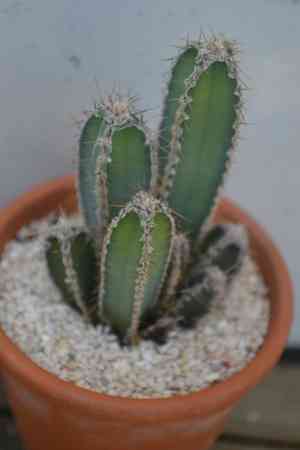
Images of Cereus forbesii
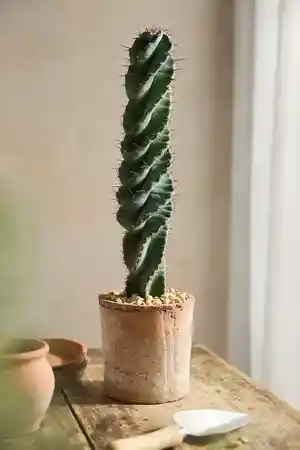
Quickly Identify Cereus forbesii
1
Identify Cereus forbesii by its unusual, monstrose habit of clumping random cylindrical shapes. Look out for small, woolly areoles and mostly spineless columns.
Scientific Classification of Cereus forbesii
Phylum
Tracheophyta
Class
Magnoliopsida
Order
Caryophyllales
Family
Cactaceae
Genus
Cereus
Species
C. forbesii
Planting and Growing of Cereus forbesii
Care Difficulty
Easy
Watering Schedule
Every day
Sunlight Requirements
Full sun
Sunshine Duration
4-6 hours
Ideal Temperature
65-85℉
Soil Type
Potting Mix, Peat Mix
Soil pH
6.5-7.5
Fertilizer Type
Balanced
Pruning Season
Spring, Summer
Pruning Area
Branches, Leaves
Pruning Frequency
2 times a year
Repotting Season
Spring
Pot Type
Plastic, Ceramic
 How to Water Cereus forbesii?
The watering amount for Cereus forbesii should be around 250 milliliters per session. The key principle is to water deeply and allow the water to reach the roots. Ensure that the top 2 inches of soil are moist after watering but not soggy to prevent root rot.
What are the symptoms of an underwatered Cereus forbesii?
›
What should I do if my Cereus forbesii is not getting enough water?
›
What are the symptoms of an overwatered Cereus forbesii?
›
How to save an overwatered Cereus forbesii?
›
 What Are the Sunlight Requirements for Cereus forbesii?
Cereus forbesii thrives in full to partial sun, benefiting from six to eight hours of sunlight daily, promoting optimal growth and flowering.
Solutions for Ideal Lighting
›
Specific Measures for Ideal Lighting
›
Benefits of Ideal Lighting
›
 What Is the Ideal Temperature Range for Cereus forbesii?
Cereus forbesii thrives best in temperatures ranging from 65°F to 85°F. These conditions mimic the warm environment of its native habitats, allowing the plant to perform essential physiological processes efficiently. Ensuring this temperature range promotes vigorous growth and enhances its flowering potential.
 What Soil is Best for Cereus forbesii?
Cereus forbesii thrives in well-drained soil that prevents waterlogged conditions, reducing the risk of root rot and ensuring strong and healthy growth. A nutrient-rich substrate ensures Cereus forbesii receives essential minerals required for its development, promoting vigorous growth and enhancing its appearance. A moderate amount of sand in the soil mix provides Cereus forbesii with the aeration it needs for its root systems, which contributes to improved water absorption and root health.
 How to Fertilize Cereus forbesii?
Cereus forbesii should be fertilized with a balanced, diluted fertilizer to avoid nutrient burn. Use a quarter strength mix for liquid fertilizers and apply sparingly. This cactus does not need much fertilization; over-fertilization can hinder its growth.
 How to Prune Cereus forbesii?
Start by observing the cactus for dead, damaged, or diseased sections. Look for brown or shriveled segments and remove them to encourage healthy growth and prevent disease spread. If the cactus is growing unevenly or too large, carefully trim branches to maintain a balanced shape. Snip off any overly long or misshapen stems to achieve a more aesthetically pleasing structure. After pruning, allow the cactus to dry for a few days before watering. This prevents infections at the cut sites. Place the cactus in a location with adequate light to promote healthy regrowth.
 How to Propagate Cereus forbesii plant?
1
Choose healthy segments of the Cereus forbesii with no signs of pest damage. The cuttings should be at least 4-6 inches long. Allow the cut end to callous over for a few days to prevent rot once placed in soil.
2
Sow Cereus forbesii seeds in a well-draining cactus mix. Cover them lightly with soil and water gently. Maintain a warm environment to aid germination, which typically takes several weeks.
3
Select a healthy rootstock and a compatible scion. Make a clean horizontal cut on the rootstock and a similar cut on the scion. Join them together using grafting tape, ensuring they remain firm and stable.
 How to Repot Cereus forbesii plant?
1
Cereus forbesii needs repotting when its roots start to peek out from the drainage holes, or when growth seems stunted despite good care. This shows the plant may be root-bound and in need of more space. Typically, every couple of years in spring or early summer, before the vigorous growth season starts, is a good time.
2
Select a pot that is only slightly larger than the current one, ensuring it has plenty of drainage holes. Ceramic or clay pots are ideal as they allow excess moisture to escape, which helps prevent root rot and maintains the dry conditions loved by cacti. These also provide the stability needed for the plant's top-heavy growth.
3
Choose a well-draining cactus mix which typically consists of sand, perlite, and potting soil. This blend ensures that water doesn't pool around the roots, mirroring the drainage found in natural desert conditions, and helps prevent overwatering, which can lead to root rot and other issues.

