Redbuds (Cercis)(Cercis)

Redbuds (Cercis) (Cercis)

Also known as: Redbud, Eastern Redbud

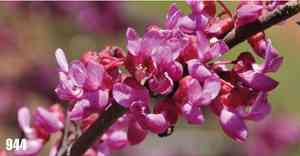
Redbud trees and shrubs are native to temperate zones globally. Renowned for their striking pink to purple blossoms and heart-shaped leaves, they are primarily grown as ornamental plants. Key features include:

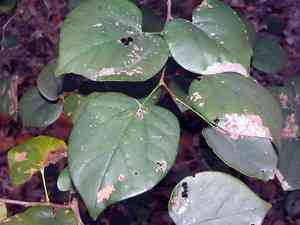
1. **Distinctive Foliage**: Heart-shaped leaves that transition in color through the seasons.
2. **Moderate Growth**: Typically reaching heights of 20-30 feet, suitable for various landscapes.
3. **Versatile Growth Conditions**: Adaptable to different soils and drought-resistant once established.
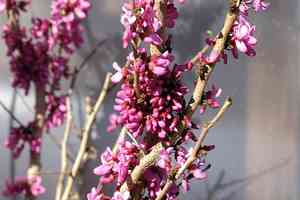
4. **Early Blooming**: Flowers appear on bare branches in early spring, creating a stunning visual impact.

In addition to their ornamental value, redbuds are also utilized for:

1. **Erosion Control**: Their roots help stabilize soil.
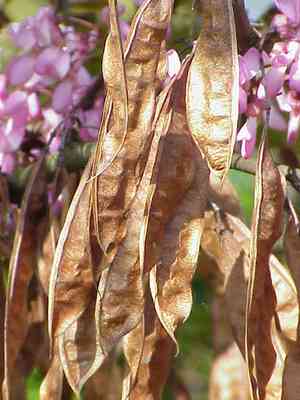
2. **Wildlife Support**: Flowers attract pollinators, and seeds provide food for birds.
3. **Edible Uses**: Blossoms can be used in culinary applications such as salads and garnishes.
4. **Woodworking**: Occasionally used in woodturning and for making wood veneer.

These attributes make redbuds a versatile and appealing option for both decorative and practical applications in landscapes.

Attributes of Redbuds (Cercis)

Lifespan
Perennial
Plant Height
Up to 30 feet
Spread
20 to 25 feet
Leaf Color
Green turning yellow in fall
Flower Size
Up to 1 inch
Flower Color
Pink, Purple

ForwardPlant - Identify plants with a snap

Identify and diagnose plants, get toxicity alerts, and explore safety guides for all types of fungi.

Try for Free

Images of Redbuds (Cercis)

Redbuds (Cercis)(Cercis)

Quickly Identify Redbuds (Cercis)

1
Identify Cercis by its heart-shaped leaves, zigzag branches, and vibrant pink or purple flowers that appear on bare stems in early spring.

Scientific Classification of Redbuds (Cercis)

Phylum
Magnoliophyta
Class
Magnoliopsida
Order
Fabales
Family
Fabaceae
Genus
Cercis

Planting and Growing of Redbuds (Cercis)

Care Difficulty
Easy
Watering Schedule
Every 3 days
Sunlight Requirements
Full sun
Sunshine Duration
6-8 hours
Ideal Temperature
60-75℉
Soil Type
Potting Mix, Peat Mix
Soil pH
6.5-7.5
Fertilizer Type
Balanced
Pruning Season
Spring, Summer
Pruning Area
Branches, Leaves
Pruning Frequency
2 times a year
Repotting Season
Spring
Pot Type
Plastic, Ceramic

water icon How to Water Redbuds (Cercis)?

When watering Cercis, aim to sufficiently moisten the soil until it's evenly damp, which typically translates to about 500 milliliters per session. It's crucial to ensure the soil is not waterlogged but has absorbed enough moisture to sustain the plant's needs.
What are the symptoms of an underwatered Redbuds (Cercis)?
What should I do if my Redbuds (Cercis) is not getting enough water?
What are the symptoms of an overwatered Redbuds (Cercis)?
How to save an overwatered Redbuds (Cercis)?

sunlight icon What Are the Sunlight Requirements for Redbuds (Cercis)?

Sunlight Requirements: Full sun, Partial sun
Duration of light: 4 to 8 hours
Cercis ideally needs access to full sun or partial sun—anywhere from 4 to 8 hours is beneficial. This ensures sufficient light for photosynthesis, promoting healthy growth, abundant foliage, and vibrant blossoms.
What is the ideal sunlight for Cercis?
How can you achieve ideal lighting for Cercis?
What are the benefits of ideal lighting for Cercis?

temperature icon What Is the Ideal Temperature Range for Redbuds (Cercis)?

Ideal Temperature: 60 ~ 75℉
For optimal growth, the Cercis, commonly known as the redbud, thrives in temperatures ranging from 60°F to 75°F. This temperature range ensures that the plant can photosynthesize efficiently and supports robust flowering and leaf development. While Cercis can tolerate a wider range, this specific range is where it grows best, promotes vibrant blooms, and sustains overall plant health.

soil icon What Soil is Best for Redbuds (Cercis)?

Soil type: Loam, Sandy loam
Soil PH: 6.5 ~ 7.5
Cercis thrives in well-drained soils that prevent waterlogging. Proper drainage helps avoid root rot and creates an optimal environment for nutrient uptake, promoting vibrant growth and flowering. The plant prefers moderately fertile soils. Avoiding nutrient-rich soils helps control excessive growth that might weaken the flowering capacity, ensuring quality growth and stronger blooms. Cercis benefits from soils that retain some moisture. Consistent moisture levels support steady water supply, crucial during flowering and establishment phases.

fertilize icon How to Fertilize Redbuds (Cercis)?

Fertilizer type: Balanced
For Cercis, you should provide a balanced granulated slow-release fertilizer or a liquid feed. Aim for the equivalent of half a cup of granule fertilizer for mature trees, but dilute liquids to half strength to prevent over-fertilization.

prune icon How to Prune Redbuds (Cercis)?

Pruning Time: Spring
Begin by identifying and removing any dead or diseased branches. Cut them back to healthy tissue, which encourages the plant to heal and grow robustly. Shape the Cercis by selectively pruning branches that disrupt the natural flow of the canopy. This not only improves aesthetics but also enhances air circulation and light penetration. Look for branches that cross or rub against each other and remove them. This prevents damage caused by friction and opens up the plant. Always make cuts just above a bud that faces outward. This encourages new growth in the desired direction, facilitating a well-spread structure.

propagate icon How to Propagate Redbuds (Cercis) plant?

Propagate Time: Spring, Early spring, Late spring
1
Collect seeds in late winter to early spring and stratify them in the refrigerator for about 30-60 days to break dormancy. This simulates the natural conditions seeds would experience, increasing germination rates when planted.
2
Select a healthy branch and take a 6-8 inch cutting during early spring. Dip the cut end in rooting hormone to encourage root development, then plant in a well-draining mix. Water lightly and maintain humidity by covering with a plastic dome or similar device.
3
For grafting, select healthy rootstock and scion. Perform the graft in spring, ensuring the cambium layers of both pieces align. Secure the graft with grafting tape and monitor for signs of growth, ensuring the connection remains tight and clean.

repot icon How to Repot Redbuds (Cercis) plant?

Repotting frequency: Every 3 years
1
Cercis should be repotted when you notice that it has outgrown its current pot, which is often signaled by roots growing out of the drainage holes or on the surface of the soil. Repotting is best done in early spring as new growth begins, or in summer if necessary.
2
Select a pot that is one size larger than the current one. Ensure the pot has sufficient drainage holes to prevent waterlogging, which can lead to root rot. A slightly wider pot rather than deeper can support a healthy lateral root spread, providing stability for the plant.
3
Opt for a well-draining loamy soil mix that contains organic matter. This type of soil ensures good aeration and drainage, preventing the Cercis from becoming waterlogged and facilitating nutrient uptake to promote vigorous growth.

ForwardPlant - Identify plants with a snap

Find the best spots for them to optimize their health, simply using your phone.

Try for Free