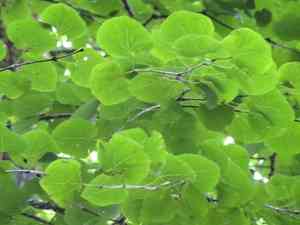
Katsura tree (Cercidiphyllum japonicum)
Also known as: Japanese Judas Tree, Weeping Katsura Tree
The Katsura tree (Cercidiphyllum japonicum) is a deciduous species known for its unique flowering pattern. Male Katsura trees generate small, reddish-purple flowers, while female trees produce greenish flowers. Both types of flowers lack petals and appear in early spring. This fast-growing tree thrives in full sun to partial shade, prefers rich soil, and can tolerate drought once it is well-established. The blossoms attract butterflies and bees.
In This Article
Attributes of Katsura tree
Lifespan
Perennial
Plant Type
Tree
Plant Height
10 m to 45 m
Spread
8 m to 11 m
Leaf Color
Green Blue Yellow Red Orange Purple Bronze
Flower Size
1 to 2 millimeters
Flower Color
Red Green White
Images of Katsura tree
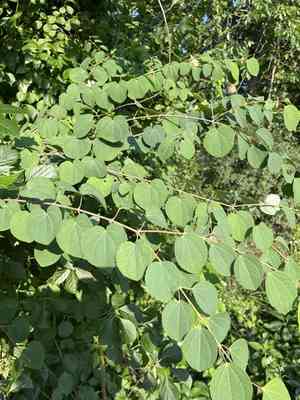
Quickly Identify Katsura tree
1
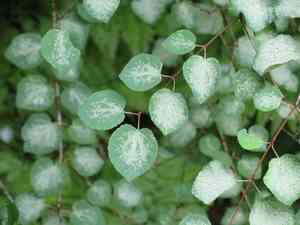
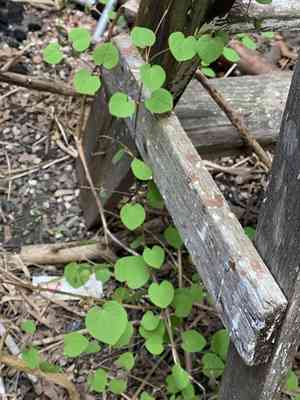
Heart-shaped, opposite leaves signal autumn with apricot-yellow foliage.
2
Thin, brown stems exhibit dense branching and smooth texture.
3
Small, wind-pollinated flowers in red and green hues.
4
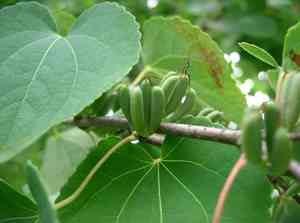
Fruit consists of narrow pods with winged seeds for wind dispersal.
5
Bark transitions from smooth to shaggy, grey-brown with age.
Scientific Classification of Katsura tree
Phylum
Vascular plants
Class
Dicotyledons
Order
Saxifrages, stonecrops and allies
Family
Katsura tree
Genus
Katsura
Species
Katsura tree
Planting and Growing of Katsura tree
Care Difficulty
Easy
Watering Schedule
Every 4 days
Sunlight Requirements
Partial sun
Sunshine Duration
4-6 hours
Ideal Temperature
50-77℉
Soil Type
Potting Mix, Peat Mix
Soil pH
6.5-7.5
Fertilizer Type
Balanced
Pruning Season
Spring, Summer
Pruning Area
Branches, Leaves
Pruning Frequency
2 times a year
Repotting Season
Spring
Pot Type
Plastic, Terracotta
 How to Water Katsura tree?
For Cercidiphyllum japonicum, the amount of water should be enough to keep the soil consistently moist but not soggy. Aim to provide around 500ml of water per session. This amount ensures that the water reaches the root zone without causing waterlogging or runoff.
What are the symptoms of an underwatered Katsura tree?
›
What should I do if my Katsura tree is not getting enough water?
›
What are the symptoms of an overwatered Katsura tree?
›
How to save an overwatered Katsura tree?
›
 What Are the Sunlight Requirements for Katsura tree?
In its ideal light range of partial sun, Cercidiphyllum japonicum enjoys 4 to 6 hours of sunlight. This balance ensures efficient photosynthesis, vibrant foliage, and robust growth, mimicking the dappled sunlight of its native habitat.
More About Sunlight Requirements Techniques→
What kind of environment suits Cercidiphyllum japonicum?
›
How to achieve optimal lighting for Cercidiphyllum japonicum?
›
What benefits does ideal lighting offer to Cercidiphyllum japonicum?
›
 What Is the Ideal Temperature Range for Katsura tree?
The ideal temperature for growing Cercidiphyllum japonicum is between 50°F and 77°F. Within this range, plants can thrive and exhibit optimal growth and development. Maintaining this temperature range ensures healthy foliage and robust tree structure.
 What Soil is Best for Katsura tree?
Cercidiphyllum japonicum thrives in well-drained soil which prevents root rot and ensures optimal water uptake, fostering healthy growth and vibrant foliage. A nutrient-rich soil provides the essential elements that Cercidiphyllum japonicum needs, such as nitrogen, phosphorus, and potassium, contributing to robust growth and vibrant leaf color. The soil should retain enough moisture to keep the plant hydrated without waterlogging, ensuring that the Cercidiphyllum japonicum remains healthy and stress-free during dry spells.
More About Soil→
 How to Fertilize Katsura tree?
For Cercidiphyllum japonicum, a moderate amount of fertilizer is ideal, ensuring the plant receives sufficient nutrients without excess. During the growing season, apply liquid fertilizer diluted to half strength every two weeks or opt for a slow-release fertilizer applied at the recommended dosage of 50g per square meter annually, ensuring not to overwhelm its root system. The key is balance to avoid nutrient burn while promoting healthy growth.
More About Fertilizing Techniques→
 How to Prune Katsura tree?
When pruning Cercidiphyllum japonicum, focus on maintaining its natural shape. Start by removing any dead, damaged, or diseased branches. This not only keeps the tree healthy but also encourages new growth. The key is to make clean cuts just above a leaf node to promote sprouting. Thinning the internal branches of Cercidiphyllum japonicum ensures better air circulation and sunlight penetration. Remove crowded branches by cutting them off at their base. This will prevent fungal diseases by allowing air to flow through the canopy, reducing moisture buildup. Cercidiphyllum japonicum can become quite large, so controlling its height and spread is crucial. Prune the top growth if the tree becomes too tall, making a slant cut just above an outward-facing bud. This practice also encourages a fuller, bushier growth habit.
More About Pruning Techniques→
 How to Propagate Katsura tree plant?
1
Collect seeds from mature Katsura trees in autumn and store them in a cool, dry place. To prepare for sowing, soak seeds in lukewarm water overnight to improve germination rates.
2
Select healthy and semi-hardwood stems during late spring or early summer. Each cutting should be around 10-15 cm long. Remove the lower leaves and dip the cut end in rooting hormone.
3
Prepare a potting mix of peat and perlite for cuttings or use a regular seed-starting mix for seeds. Plant them at the appropriate depth and gently water to settle the soil.
 How to Repot Katsura tree plant?
1
Cercidiphyllum japonicum, or the Katsura tree, shows signs when repotting is due. Watch for roots poking through drainage holes, or a noticeably sluggish growth phase. Spring is ideal, as the plant is gearing up for vigorous growth, ensuring it can establish well in new soil.
2
Select a pot that is slightly larger than the current one to allow room for root expansion without overwhelming the plant. Ensure it has good drainage holes to prevent waterlogging, which could lead to root rot, thereby keeping the plant healthy post-repotting.
3
Choose a well-draining loamy soil mix to provide balanced nutrients and adequate drainage. This soil type retains enough moisture to sustain the plant while allowing excess water to escape, preventing potential diseases originating from overly moist conditions.



