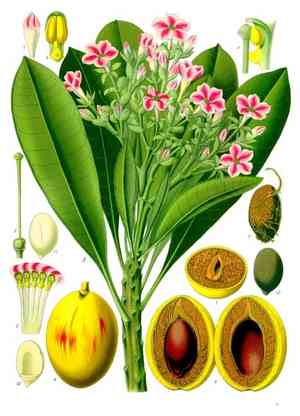
Cerbera (Cerbera) (Cerbera)
Also known as: Sea Mango, Pong-pong tree
The genus 'Cerbera' includes small evergreen trees and shrubs found in tropical regions of Asia, Africa, and Oceania. Known for their toxic properties, all parts of these plants are hazardous to humans. This dangerous nature is the reason for their name, drawing a parallel to Cerberus, the multi-headed mythological dog that guards the underworld in Greek lore.
In This Article
Attributes of Cerbera (Cerbera)
Lifespan
Perennial
Plant Height
10-15 meters
Spread
5-8 meters
Leaf Color
Dark green
Flower Size
3-4 cm
Flower Color
White
Images of Cerbera (Cerbera)
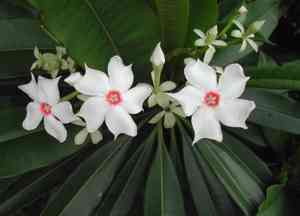
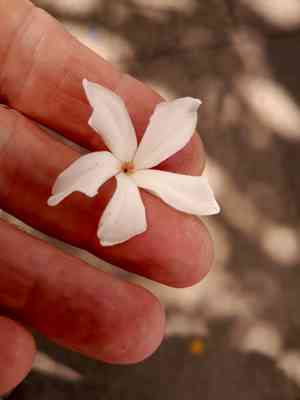
Quickly Identify Cerbera (Cerbera)
1
Cerbera trees can be identified by their shiny, dark green leaves, white fragrant flowers, and distinctive ovoid fruits. The presence of milky sap when the plant is cut is also a key identifier.
Scientific Classification of Cerbera (Cerbera)
Phylum
Magnoliophyta
Class
Magnoliopsida
Order
Gentianales
Family
Apocynaceae
Genus
Cerbera
Planting and Growing of Cerbera (Cerbera)
Care Difficulty
Hard
Watering Schedule
Every 2 days
Sunlight Requirements
Partial sun
Sunshine Duration
6-10 hours
Ideal Temperature
70-85℉
Soil Type
Potting Mix, Peat Mix
Soil pH
6.5-7.5
Fertilizer Type
Balanced
Pruning Season
Spring, Summer
Pruning Area
Branches, Leaves
Pruning Frequency
2 times a year
Repotting Season
Spring
Pot Type
Ceramic, Plastic
 How to Water Cerbera (Cerbera)?
When watering Cerbera, it is vital to drench the soil until water begins to drain from the bottom of the pot, ensuring the entire root system is thoroughly moistened. This tropical plant thrives in consistently moist, but not waterlogged, soil. Adopting the soak-and-dry method ensures proper hydration without drowning the roots.
What are the symptoms of an underwatered Cerbera (Cerbera)?
›
What should I do if my Cerbera (Cerbera) is not getting enough water?
›
What are the symptoms of an overwatered Cerbera (Cerbera)?
›
How to save an overwatered Cerbera (Cerbera)?
›
 What Are the Sunlight Requirements for Cerbera (Cerbera)?
Partial sun exposure is ideal for Cerbera, promoting healthy growth while preventing leaf scorch. This level of light supports optimal photosynthesis and vibrant foliage.
Best Placement
›
Ideal Intensity
›
Seasonal Adjustments
›
 What Is the Ideal Temperature Range for Cerbera (Cerbera)?
For Cerbera plants, maintaining an ideal temperature range between 70°F and 85°F promotes optimal growth. This range ensures the plant stays within an environment similar to its natural habitat, maximizing photosynthesis and nutrient absorption, leading to healthier foliage and better flowering.
 What Soil is Best for Cerbera (Cerbera)?
Cerbera requires well-draining soil to prevent waterlogging, which can lead to root rot and other issues. Ensuring the soil has good drainage helps the plant develop healthy roots and reduces the risk of disease. This plant thrives in soils with moderate fertility. Overly rich soils can foster lush growth but may reduce flowering. A balanced nutrient content supports healthy growth and vibrant blooms. Cerbera benefits from aerated soils that ensure adequate oxygen reaches the roots. Proper aeration supports root respiration and nutrient uptake, crucial for plant vitality.
 How to Fertilize Cerbera (Cerbera)?
For Cerbera, utilize a balanced 10-10-10 liquid fertilizer at a concentration of one teaspoon per gallon of water. Apply evenly at the soil base, avoiding foliage contact to prevent leaf burn. When using slow-release granules, distribute approximately 1-2 tablespoons evenly within the root zone, ensuring not to heap against the trunk, as this can lead to fertilizer burn.
 How to Prune Cerbera (Cerbera)?
Examine your Cerbera and identify any dead, diseased, or crossing branches. These should be removed first to ensure the tree's health and to promote air circulation within the foliage. When cutting, make angled cuts above the leaf node or bud. Leave about a quarter inch above the node to prevent damage to the new growth. The angle allows water to run off, preventing rot. Cold pruning for Cerbera involves thinning out dense areas to allow light and air to penetrate the inner branches. This helps the plant photosynthesize more effectively while reducing pest and disease risks.
 How to Propagate Cerbera (Cerbera) plant?
1
Choose non-flowering shoots from a healthy parent plant. The absence of flowers allows the plant to direct energy towards root development rather than supporting blooms.
2
For seed propagation, prepare a warm and moist seedbed. Use a light potting mix and ensure consistent moisture levels. Cover seeds lightly with soil to allow for germination.
3
Dip the base of the cuttings in rooting hormone to promote faster root development. Place them in a prepared potting mix, ensuring half of the cutting is below the soil surface for stability.
 How to Repot Cerbera (Cerbera) plant?
1
Cerbera needs repotting when its roots start circling the pot or growing through drainage holes. Look for signs of struggling growth or yellowing leaves, indicative of being root-bound and needing more space. The best time for repotting is during the growth periods of spring or summer, allowing the plant to recover quickly.
2
Choose a pot that is 1-2 inches larger in diameter than the current pot. Ensure it has adequate drainage holes to prevent waterlogging. A slightly larger pot encourages healthy root growth, providing ample room for expansion and preventing root rot, helping your Cerbera thrive.
3
Opt for a well-draining soil mix enriched with organic compost. This soil retains enough moisture for the plant while allowing excess water to escape, reducing the risk of fungal issues. A good mix promotes strong root establishment and supports overall healthier growth.
Toxicity
Ingestion
WARNING
The judgment on toxicity and danger is for reference only. We DO NOT GUARANTEE any accuracy of such judgment. Therefore, you SHALL NOT rely on such judgment. It is IMPORTANT TO SEEK PROFESSIONAL ADVICE in advance when necessary.

