
Chinese plumbago (Ceratostigma willmottianum)
Also known as: Chinese plumbago, Willmott's leadwort
Chinese plumbago (Ceratostigma willmottianum) is frequently utilized for its ornamental appeal, adding late-season color to various garden settings such as borders, rock gardens, and Mediterranean landscapes. This compact deciduous shrub can thrive in nutrient-poor soils but requires at least partial sunlight, as it does not do well in full shade. Its ability to bring vibrant blue flowers and striking autumn foliage to gardens has earned it the Award of Garden Merit from the UK's Royal Horticultural Society, recognizing its exceptional qualities and garden performance.
In This Article
Attributes of Chinese plumbago
Lifespan
Perennial
Plant Type
Herb, Shrub
Plant Height
1 m
Spread
1.5 m
Leaf Color
Green Red
Flower Size
2.5 cm
Flower Color
Blue
Images of Chinese plumbago

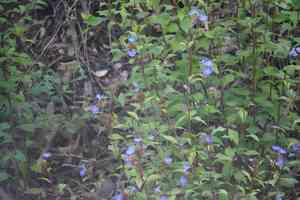

Quickly Identify Chinese plumbago
1
Arching red stems distinguish chinese plumbago from other plants.
2
Vibrant red leaves transform in fall, unique to chinese plumbago.
3
Capsules with black seeds signal seed readiness in chinese plumbago.
4
Distinctive 'horned' stigma defines chinese plumbago at the genus level.
5
Ring-like scars on stems post-leaf fall aid chinese plumbago identification.
Scientific Classification of Chinese plumbago
Phylum
Vascular plants
Class
Dicotyledons
Order
Pinks, cacti, and allies
Family
Leadwort
Genus
Leadwort
Species
Chinese plumbago
Planting and Growing of Chinese plumbago
Care Difficulty
Easy
Watering Schedule
Every 3 days
Sunlight Requirements
Full sun
Sunshine Duration
4-8 hours
Ideal Temperature
60-75℉
Soil Type
Potting Mix, Peat Mix
Soil pH
6-7.5
Fertilizer Type
Balanced
Pruning Season
Spring, Summer
Pruning Area
Branches, Leaves
Pruning Frequency
Once a year
Repotting Season
Spring
Pot Type
Plastic, Ceramic
 How to Water Chinese plumbago?
Ceratostigma willmottianum thrives when the soil is evenly moist but not waterlogged. Water thoroughly until you see some drainage from the bottom of the pot, indicating that the soil has been sufficiently moistened. This typically requires about 500 ml of water per session for a potted plant.
What are the symptoms of an underwatered Chinese plumbago?
›
What should I do if my Chinese plumbago is not getting enough water?
›
What are the symptoms of an overwatered Chinese plumbago?
›
How to save an overwatered Chinese plumbago?
›
 What Are the Sunlight Requirements for Chinese plumbago?
Ceratostigma willmottianum ideally benefits from partial sun to full sun conditions. This range supports robust growth, enhances flowering potential, and maintains leaf vibrancy and plant health.
More About Sunlight Requirements Techniques→
Best Time for Sun Exposure
›
Positioning the Plant
›
Solutions for Ideal Light
›
 What Is the Ideal Temperature Range for Chinese plumbago?
The ideal temperature range for Ceratostigma willmottianum lies between 60 and 75 degrees Fahrenheit. This range provides optimal conditions for growth, ensuring adequate photosynthesis and metabolic efficiency. At these temperatures, the plant can thrive, producing lush foliage and vibrant flowers.
 What Soil is Best for Chinese plumbago?
Ceratostigma willmottianum thrives in well-draining soil, which prevents water from accumulating around the roots, reducing the risk of root rot. Ensuring the soil drains well helps maintain healthy root systems, enhancing the plant's overall vitality. This plant prefers moderately fertile soil, rich in nutrients but not overly rich. Balanced fertility promotes healthy growth and vibrant blooms without encouraging excessive foliage at the expense of flowers. While it can tolerate dry conditions once established, consistent moisture helps in supporting the lush growth and prolific flowering characteristic of Ceratostigma willmottianum. Keeping the soil slightly moist but not soggy is key.
 How to Fertilize Chinese plumbago?
For Ceratostigma willmottianum, a balanced fertilizer with a ratio such as 10-10-10 is recommended. When using liquid fertilizers, dissolve one tablespoon per gallon of water. For solid fertilizers, use about 1/4 cup per plant.
 How to Prune Chinese plumbago?
The best time to prune Ceratostigma willmottianum is late winter or early spring. Gather necessary tools, such as sharp pruners and gloves, and prepare a solution of bleach and water for cleaning tools. Identify dead, diseased, or straggly branches as candidates for removal. Begin by removing dead or diseased wood, cutting back to healthy tissue. Follow by cutting back old stems to the base to encourage new growth. Thin the plant by removing crossing branches to improve air circulation and light penetration, crucial for healthy growth. After pruning, apply a balanced, slow-release fertilizer to support new growth. Water the plant thoroughly but avoid waterlogging, which can stress the plant. Mulch around the base to maintain moisture and regulate soil temperature.
More About Pruning Techniques→
 How to Propagate Chinese plumbago plant?
1
To propagate Ceratostigma willmottianum by cuttings, select a healthy, non-flowering stem and cut a section about 4-6 inches long. Remove the lower leaves to expose the nodes and dip the cut end in rooting hormone.
2
Plant the prepared cuttings in a small pot filled with a well-draining potting mix. Make a hole in the soil with a pencil or similar tool before gently inserting the cutting, then gently firm the soil around it.
3
Once planted, water the cuttings lightly and cover with a plastic bag to create a humid environment. Place the pot in a warm, bright area but out of direct sunlight to encourage root growth.
 How to Repot Chinese plumbago plant?
1
Repot your Ceratostigma willmottianum when you notice root-bound signals, such as roots emerging from drainage holes or stunted growth. Spring or early autumn are the ideal times to repot, as the plant is in active growth phases then.
2
Choose a pot that is 1-2 inches larger in diameter than the current one. A pot with drainage holes is ideal to prevent waterlogging. Proper pot selection promotes robust growth and avoids root rot, ensuring your plant thrives.
3
Opt for a well-draining potting mix tailored for flowering shrubs. It should be rich in nutrients to support the plant's growth. This type of soil prevents water retention, reducing the risk of root rot and ensuring healthy aeration.



