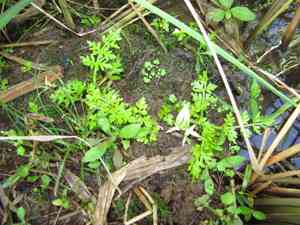
Watersprite (Ceratopteris thalictroides)
Also known as: Indian fern
The Water Sprite (Ceratopteris thalictroides) is an aquatic fern frequently found in swamps, marshes, and artificial ponds. It thrives in tropical regions around the world and is popular in aquariums. This fern prefers extremely moist, alkaline soil and can grow abundantly in such environments.
In This Article
Attributes of Watersprite
Lifespan
Annual, Perennial, Biennial
Plant Type
Herb
Plant Height
70 cm
Spread
13 cm to 30 cm
Leaf Color
Green Bronze
Flower Size
Does not produce flowers
Flower Color
Red
Images of Watersprite
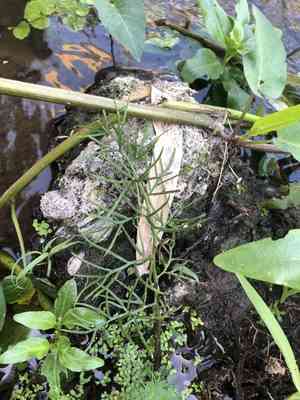
Quickly Identify Watersprite
1
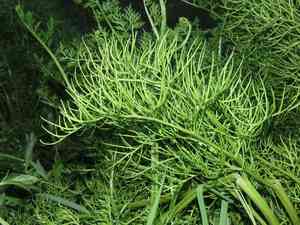
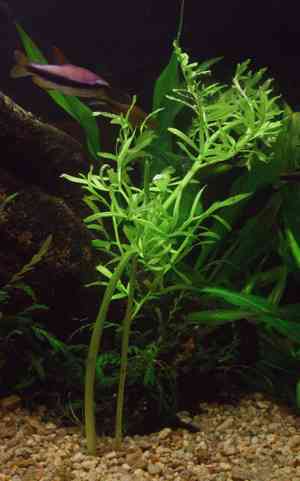
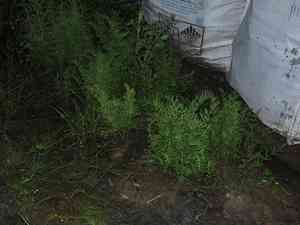
Identify Ceratopteris thalictroides by its delicate, finely divided, bright green leaves that float on the water or grow submerged. Look for its fast-growing nature and leafy, fern-like fronds.
Scientific Classification of Watersprite
Phylum
Vascular plants
Class
Ferns
Order
Polypodiales
Family
Brake
Genus
Ceratopteris
Species
Watersprite
Planting and Growing of Watersprite
Care Difficulty
Easy
Watering Schedule
Every 8 days
Sunlight Requirements
Partial sun
Sunshine Duration
4-8 hours
Ideal Temperature
75-85℉
Soil Type
Potting Mix, Peat Mix
Soil pH
6.5-7.5
Fertilizer Type
Balanced
Pruning Season
Spring, Summer
Pruning Area
Branches, Leaves
Pruning Frequency
2 times a year
Repotting Season
Spring
Pot Type
Plastic, Ceramic
 How to Water Watersprite?
Ceratopteris thalictroides, commonly known as water sprite, requires about 500 ml of water per session. It thrives in moisture-rich environments, mimicking its natural habitat in wetlands. Ensure that the soil is thoroughly saturated without waterlogging, which means the water should drain well, but no standing water should be left.
What are the symptoms of an underwatered Watersprite?
›
What should I do if my Watersprite is not getting enough water?
›
What are the symptoms of an overwatered Watersprite?
›
How to save an overwatered Watersprite?
›
 What Are the Sunlight Requirements for Watersprite?
Partial sunlight from dappled light or morning sun is ideal. This type of light enables Ceratopteris thalictroides to perform optimal photosynthetic processes, promoting robust growth and vibrant leaf color.
More About Sunlight Requirements Techniques→
How to achieve ideal lighting?
›
What are the lighting solutions available?
›
Benefits of ideal lighting conditions?
›
 What Is the Ideal Temperature Range for Watersprite?
The ideal temperature range for growing Ceratopteris thalictroides is between 75°F and 85°F. Maintaining this temperature range ensures optimal growth and development, promoting healthy foliage and root systems. Within these temperatures, the plant can photosynthesize efficiently, ultimately resulting in robust plant health.
 What Soil is Best for Watersprite?
Ceratopteris thalictroides thrives in soils that have excellent moisture retention. This is paramount for maintaining its lush, vibrant growth, as the plant naturally inhabits wetlands. Adequate moisture allows it to keep its delicate fronds lush and prevents wilting. High organic content is necessary for healthy growth, providing essential nutrients that support vigorous development. A well-nourished soil ensures the plant's fronds grow thicker and healthier, reflecting its natural tropical habitat. While Ceratopteris thalictroides prefers moist conditions, adequate drainage prevents root rot, a common issue in waterlogged soils. Ensuring proper drainage aids in maintaining the health of the root system and supports overall plant vitality.
 How to Fertilize Watersprite?
Ceratopteris thalictroides, known for its lush foliage and aquatic habitat, thrives with moderate fertilization. An ideal amount includes using a balanced liquid fertilizer diluted to half strength, ensuring the concentration avoids leaf scorch while promoting steady growth.
 How to Prune Watersprite?
Begin by examining the plant closely to identify fronds that are dead, discolored, or damaged. These should be your primary targets for removal to improve the plant's overall aesthetic and health. Carefully clip the identified fronds at their base, close to where they meet the main stem. This method prevents unsightly stubs and ensures a clean look post-pruning. After removing dead fronds, consider trimming some of the longest, healthiest fronds to just above a leaf node. This encourages branching and leads to a fuller, bushier plant structure.
More About Pruning Techniques→
 How to Propagate Watersprite plant?
1
Scatter Ceratopteris thalictroides seeds thinly over a moist potting mix in a seed tray. Light is crucial for germination, so cover the seeds lightly or not at all. Ensure the tray is placed in a bright, indirect light.
2
Regularly mist the seeds to maintain consistent moisture levels. The surface of the potting mix should be kept evenly moist but not waterlogged, which can drown seeds and promote rot.
3
Maintain a warm temperature range of 70-80°F (21-27°C) to facilitate seed germination. Using a heat mat can aid in maintaining consistent temperatures, especially in cooler climates.
 How to Repot Watersprite plant?
1
Ceratopteris thalictroides typically requires repotting when you notice roots protruding through drainage holes or when the plant's growth noticeably slows down. The ideal time is during Spring and Summer, as this coincides with its active growing season, ensuring it recovers quicker.
2
Select a pot that is about one size larger than the current one. Ensure it has adequate drainage holes to prevent waterlogging, which can cause root rot. A slightly wider pot encourages horizontal root growth and provides ample space for the plant to expand.
3
Opt for a rich, well-draining compost that retains moisture yet allows excess water to drain. This balance is crucial for Ceratopteris thalictroides, providing the right amount of hydration while preventing roots from sitting in water, thus avoiding rot.



