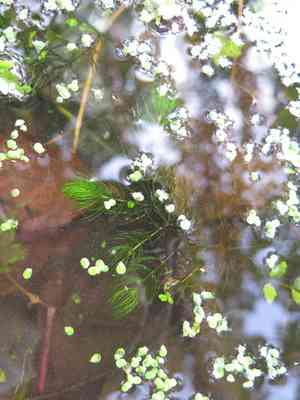
Coontails (Ceratophyllum) (Ceratophyllum)
Also known as: Hornwort, Coontail
Coontails, belonging to the genus Ceratophyllum, thrive in calm, aquatic environments. While they are popular in aquariums, they can pose significant challenges in natural settings. Their rapid growth can result in dense mats that obstruct waterways, impede water flow, and disrupt recreational activities like boating and fishing. These dense formations can also create ideal breeding grounds for mosquitoes and may outcompete native plants, thereby reducing biodiversity. In autumn, Coontails often sink to the bottom of water bodies and can resurface to proliferate anew in the spring, perpetuating their impact on the ecosystem.
In This Article
Attributes of Coontails (Ceratophyllum)
Lifespan
Perennial
Plant Height
15-100 cm
Spread
N/A (no crown)
Leaf Color
Dark green
Flower Size
0.1-0.2 cm
Flower Color
Greenish to brownish
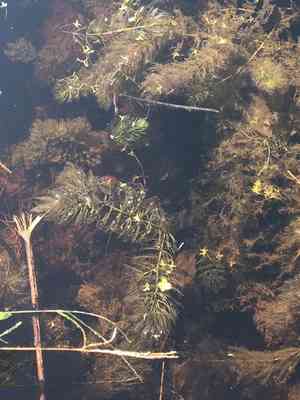
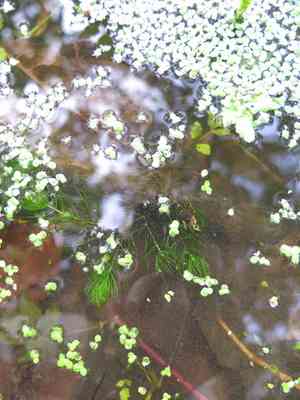
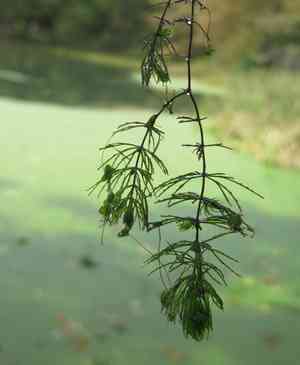
Images of Coontails (Ceratophyllum)
Quickly Identify Coontails (Ceratophyllum)
1
Ceratophyllum can be identified by its long, slender stems with whorls of finely divided, dark green leaves. It lacks true roots and is free-floating, often forming dense mats on the water surface.
Scientific Classification of Coontails (Ceratophyllum)
Phylum
Tracheophyta
Class
Magnoliopsida
Order
Ceratophyllales
Family
Ceratophyllaceae
Genus
Ceratophyllum
Planting and Growing of Coontails (Ceratophyllum)
Care Difficulty
Easy
Watering Schedule
Every 4 days
Sunlight Requirements
Partial sun
Sunshine Duration
4-8 hours
Ideal Temperature
68-77℉
Soil Type
Potting Mix, Peat Mix
Soil pH
6.5-7.5
Fertilizer Type
Balanced
Pruning Season
Spring, Summer
Pruning Area
Branches, Leaves
Pruning Frequency
2 times a year
Repotting Season
Spring
Pot Type
Plastic, Ceramic
 How to Water Coontails (Ceratophyllum)?
Ceratophyllum, commonly known as hornwort, is an aquatic plant that requires substantial water due to its native submerged habitat. The principle is to maintain the water at a level that completely submerges the plant, which is crucial for its photosynthesis and nutrient uptake.
What are the symptoms of an underwatered Coontails (Ceratophyllum)?
›
What should I do if my Coontails (Ceratophyllum) is not getting enough water?
›
What are the symptoms of an overwatered Coontails (Ceratophyllum)?
›
How to save an overwatered Coontails (Ceratophyllum)?
›
 What Are the Sunlight Requirements for Coontails (Ceratophyllum)?
Ideally, Ceratophyllum thrives in partial sun conditions, where moderate sunlight allows optimal photosynthesis without stressing the plant, leading to healthy growth and vibrant leaf production.
What type of sunlight does Ceratophyllum prefer?
›
How can you achieve ideal lighting conditions for Ceratophyllum?
›
What are the benefits of Ceratophyllum receiving ideal light?
›
 What Is the Ideal Temperature Range for Coontails (Ceratophyllum)?
The ideal temperature range for Ceratophyllum, also known as hornwort, is between 68°F to 77°F. Maintaining this range supports optimal metabolic activities, encourages vibrant growth, and helps the plant to maintain a robust immune system. Such conditions mimic the plant's natural habitat, offering a balance between heat and moisture necessary for flourishing.
 What Soil is Best for Coontails (Ceratophyllum)?
Ceratophyllum thrives in nutrient-rich soil, which ensures a steady supply of essential nutrients promoting vigorous growth. The availability of vital macro and micronutrients supports lush foliage and optimal health. Soil for Ceratophyllum should be able to retain adequate moisture without becoming waterlogged. Consistent moisture aids in maintaining healthy roots and prevents the plant from drying out. Loamy soil provides excellent drainage, preventing water accumulation that could lead to root rot. This ensures the plant's roots have access to air while avoiding suffocation from oxygen deprivation.
 How to Fertilize Coontails (Ceratophyllum)?
Ceratophyllum, commonly known as hornwort, doesn't require heavy fertilization due to its fast-growing nature and adaptation to various water conditions. Use a diluted liquid fertilizer, applying 1ml per gallon of aquarium water during each session.
 How to Prune Coontails (Ceratophyllum)?
Before pruning, assess the plant and identify the main growth areas. Look for stems that are overgrown or occupying too much space, which might be hindering light penetration to other aquatic plants.
 How to Propagate Coontails (Ceratophyllum) plant?
1
Collect mature seeds from the plant. Ensure the seeds are fully developed for optimum germination results. It's critical to select seeds from healthy, disease-free plants.
2
Cut a healthy stem about 10 cm in length using pruning shears. Remove the leaves from the bottom half to prevent them from rotting when submerged in water.
3
Place seeds on top of a moist, sterile substrate and cover lightly with more substrate or water, as the seeds need proper moisture to germinate.
 How to Repot Coontails (Ceratophyllum) plant?
1
Ceratophyllum should be repotted when you notice significant growth, overcrowding in the current pot, or when nutrient depletion becomes evident. This often presents itself through slower growth or yellowing foliage, indicating the need for fresh substrate to thrive.
2
Pick a pot that is wide and shallow rather than deep. Its broad surface area provides room for the plant to spread, which is ideal for aquatic species like Ceratophyllum. A wider pot also supports better water circulation, reducing the chance of stagnant areas that might promote algae buildup.
3
Ceratophyllum thrives in aquatic environments; therefore, using a specialized aquatic plant mix is crucial. This soil is designed to hold nutrients well in water and maintain proper pH balance, ensuring the plant's roots have enough nutrients in an underwater setting.

