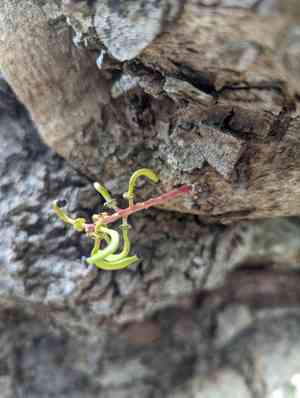
Ceratonia (Ceratonia) (Ceratonia)
Also known as: Carob tree, St John's-bread
Ceratonia trees, particularly the carob tree (Ceratonia siliqua), are valued for their glossy, dark-green, pinnate leaves and evergreen nature. Although few in number, these trees are significant globally. They are primarily cultivated for their pods, which serve as a chocolate substitute and sweetener in foods, and as animal fodder. Additionally, Ceratonia trees are grown for ornamental purposes and their durable timber.
In This Article
Attributes of Ceratonia (Ceratonia)
Lifespan
Perennial
Plant Height
10 to 15 meters
Spread
6 to 10 meters
Leaf Color
Dark green
Flower Size
Small (less than 1 cm)
Flower Color
Reddish-green
Images of Ceratonia (Ceratonia)
Quickly Identify Ceratonia (Ceratonia)
1
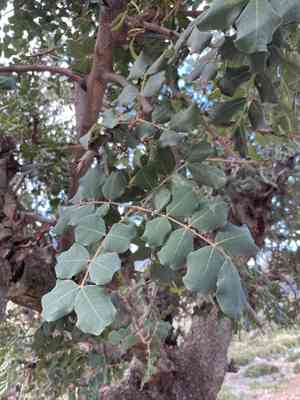
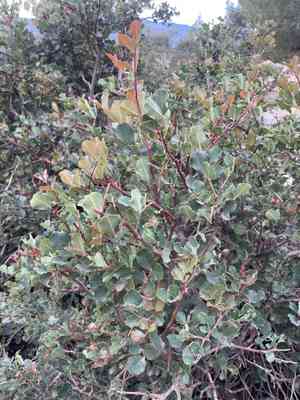
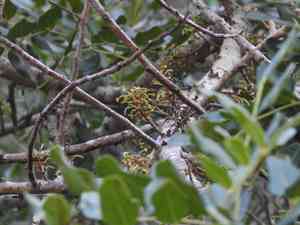
Carob trees have thick, dark-brown bark and pinnate leaves with 6 to 10 oval leaflets. The flowers are small, reddish-green, and lack petals. The fruit is a long, leathery pod containing sweet, edible pulp and hard seeds.
Scientific Classification of Ceratonia (Ceratonia)
Phylum
Magnoliophyta
Class
Magnoliopsida
Order
Fabales
Family
Fabaceae
Genus
Ceratonia
Planting and Growing of Ceratonia (Ceratonia)
Care Difficulty
Easy
Watering Schedule
Every 2 days
Sunlight Requirements
Full sun
Sunshine Duration
4-8 hours
Ideal Temperature
60-77℉
Soil Type
Potting Mix, Peat Mix
Soil pH
6.5-7.5
Fertilizer Type
Balanced
Pruning Season
Spring, Summer
Pruning Area
Branches, Leaves
Pruning Frequency
2 times a year
Repotting Season
Spring
Pot Type
Plastic, Ceramic
 How to Water Ceratonia (Ceratonia)?
The watering amount for Ceratonia should be around 500 ml each time. This species prefers a thorough soaking that reaches the root zone, followed by allowing the soil to dry out completely before the next watering. This approach mimics their natural environment conditions.
What are the symptoms of an underwatered Ceratonia (Ceratonia)?
›
What should I do if my Ceratonia (Ceratonia) is not getting enough water?
›
What are the symptoms of an overwatered Ceratonia (Ceratonia)?
›
How to save an overwatered Ceratonia (Ceratonia)?
›
 What Are the Sunlight Requirements for Ceratonia (Ceratonia)?
Ceratonia thrives in semi-arid environments, needing full sunlight for optimal growth. Sufficient sunlight encourages robust development and enriches overall plant health.
What is the best lighting condition for Ceratonia?
›
How to achieve ideal sunlight for Ceratonia?
›
Benefits of ideal lighting for Ceratonia?
›
 What Is the Ideal Temperature Range for Ceratonia (Ceratonia)?
The optimal temperature range for Ceratonia growth is between 60°F and 77°F. This range ensures the best conditions for photosynthesis, nutrient uptake, and overall plant health. Growing the plant within this temperature window will promote vigorous growth and flowering.
 What Soil is Best for Ceratonia (Ceratonia)?
Ceratonia thrives in well-drained soil that prevents waterlogging, which can cause root rot. The free movement of water and air through the soil boosts root health and supports robust plant growth. This plant benefits from nutrient-rich soil, which provides essential minerals for growth. Regularly amending the soil with organic matter can enhance fertility and encourage vigorous development. While Ceratonia is drought-tolerant, consistent moisture levels during its growth phase can enhance fruit quality. Proper irrigation practices ensure consistent moisture without excessive wetness.
 How to Fertilize Ceratonia (Ceratonia)?
For the tree commonly known as Ceratonia or the carob tree, a balanced application of fertilizer that is rich in potassium and phosphorus is recommended. Use about half a pound (approximately 0.23 kg) of organic fertilizer per year for young trees, and increase this as the tree matures based on its growth performance and soil conditions.
 How to Prune Ceratonia (Ceratonia)?
Start by removing any dead or diseased branches to prevent the spread of pathogens. Next, thin out crowded branches to allow sunlight to penetrate and improve air circulation. Be sure to make clean cuts just above a bud or branch junction to promote healing. Finally, shape the tree by trimming any excessively long or misshapen branches to maintain a balanced form. It's best to prune Ceratonia during its dormant period in early spring before new growth begins. This minimizes stress on the plant and allows it to recover quickly. Late spring to early summer is also suitable for minor shaping and corrective pruning if needed.
 How to Propagate Ceratonia (Ceratonia) plant?
1
Choose seeds that are fresh and from a reputable supplier to ensure high germination rates. Fresh seeds typically have a higher success rate and are more viable than older ones.
2
Select healthy, disease-free branches for cuttings. Cut at a 45-degree angle below a node to encourage better root development. Removing excess leaves can also help divert energy to root formation.
3
Choose compatible rootstocks and scions for grafting. Make clean cuts and secure the grafting site with grafting tape or rubber bands to ensure proper healing and growth.
 How to Repot Ceratonia (Ceratonia) plant?
1
Ceratonia, or carob tree, should be repotted when its roots outgrow the pot. You'll notice roots pushing through drainage holes or the soil drying out extremely fast. These signs indicate the plant needs more space and nutrients, best addressed by repotting during spring or autumn.
2
Select a pot that is 2-3 inches larger in diameter than the current one with adequate drainage holes. This size allows for root expansion and prevents waterlogging. A pot with good drainage ensures that excess water escapes, preventing root rot which can devastate your Ceratonia.
3
Opt for a well-draining loamy soil mix that provides nutrients yet allows air circulation to roots. This soil type retains enough moisture for the plant's needs but dries quickly, preventing water stagnation. It’s this balance of moisture and aeration that suits Ceratonia best.
Toxicity
Ingestion
WARNING
The judgment on toxicity and danger is for reference only. We DO NOT GUARANTEE any accuracy of such judgment. Therefore, you SHALL NOT rely on such judgment. It is IMPORTANT TO SEEK PROFESSIONAL ADVICE in advance when necessary.

