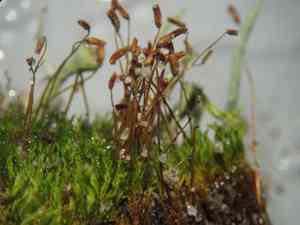
Fire moss (Ceratodon purpureus)
Also known as: Round-leaved ceratodon moss, Purple horn-toothed moss
Fire moss (Ceratodon purpureus) is remarkably versatile, inhabiting every continent and thriving in various environments. Its resilience to heavy metals and pollutants allows it to flourish in industrial zones, along roadsides, and on mining sites. This moss can quickly establish itself in freshly burned landscapes and endure the harsh conditions of Antarctica, aided by protective pigments that shield it from intense sunlight reflecting off the snow.
In This Article
Attributes of Fire moss
Lifespan
Perennial
Plant Type
Moss
Plant Height
1.3 cm to 8 cm
Spread
Not applicable
Leaf Color
Dark green
Flower Size
Not applicable
Flower Color
Not applicable
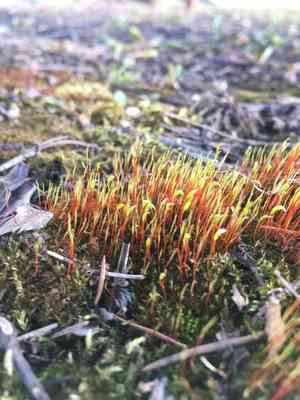
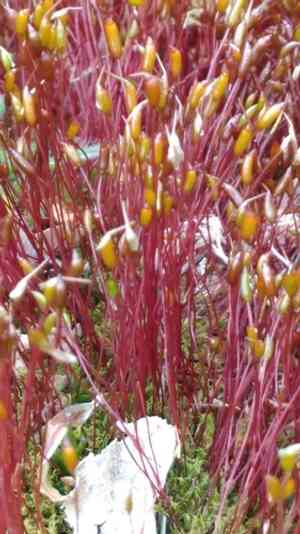
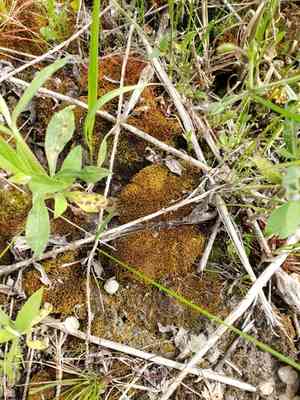
Images of Fire moss
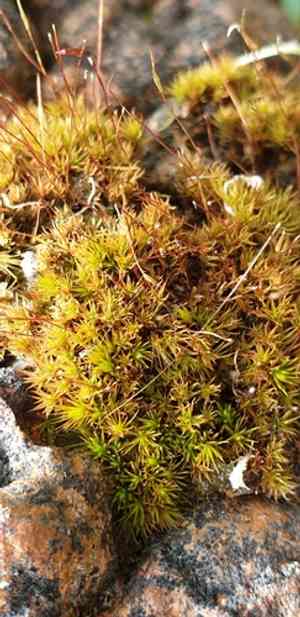
Quickly Identify Fire moss
1
Ceratodon purpureus can be identified by its typically small size, ranging from 1 to 3 centimeters in height. It features shiny, dark green leaves and distinctive vivid red or purple spore capsules on slender stalks.
Scientific Classification of Fire moss
Phylum
Mosses
Class
True mosses
Order
Dicranales
Family
Ditrichaceae
Genus
Ceratodon
Species
Fire moss
Planting and Growing of Fire moss
Care Difficulty
Easy
Watering Schedule
Every 3 days
Sunlight Requirements
Partial sun
Sunshine Duration
4-6 hours
Ideal Temperature
50-77℉
Soil Type
Potting Mix, Peat Mix
Soil pH
4.5-7
Fertilizer Type
Balanced
Pruning Season
Spring, Summer
Pruning Area
Branches, Leaves
Pruning Frequency
2 times a year
Repotting Season
Spring
Pot Type
Plastic, Terracotta
 How to Water Fire moss?
Ceratodon purpureus requires a modest watering approach. The soil should be kept slightly moist without oversaturating it. Aim to water so the topsoil is visibly damp but not drenched, ensuring the roots do not sit in water.
What are the symptoms of an underwatered Fire moss?
›
What should I do if my Fire moss is not getting enough water?
›
What are the symptoms of an overwatered Fire moss?
›
How to save an overwatered Fire moss?
›
 What Are the Sunlight Requirements for Fire moss?
Ceratodon purpureus prefers partial sunlight, ideally receiving 2 to 4 hours of indirect light. This balance promotes healthy growth, vibrant color, and resilience against pests and disease, optimizing its photosynthetic potential.
What are ideal lighting conditions?
›
How can I ensure these conditions?
›
What benefits does ideal lighting provide?
›
 What Is the Ideal Temperature Range for Fire moss?
Ceratodon purpureus thrives best within a temperature range of 50 to 77 degrees Fahrenheit. These temperatures simulate the mild conditions of its natural habitat, allowing it to grow and reproduce effectively. Maintaining this range helps the moss to sustain its metabolic rate and physiological functions without stress.
 What Soil is Best for Fire moss?
Ceratodon purpureus thrives in well-drained soils as it prevents waterlogging, which can be detrimental to its health. Ensuring good drainage helps this moss to maintain optimal growth and stay healthy even in humid conditions. While drainage is important, the ability to retain some moisture ensures Ceratodon purpureus doesn't dry out completely. Balancing these factors keeps the moss lush and vibrant, especially during dry spells. Incorporating organic matter into the soil can improve the nutrient profile available to Ceratodon purpureus. Although this moss can survive in nutrient-poor conditions, some organic matter supports robust growth.
 How to Fertilize Fire moss?
Ceratodon purpureus, commonly known as the red roof moss, generally requires minimal fertilization. When applying fertilizer, a dilute, half-strength solution of a balanced liquid fertilizer is recommended. Avoid over-fertilizing, as this moss thrives in nutrient-poor environments.
 How to Prune Fire moss?
Begin by gently removing any dead or discolored parts of the moss using a sharp pair of scissors. Aim to maintain the natural shape of the moss and avoid trimming more than a third of its height at once. Ensure to clean any tools used to prevent disease spread.
 How to Propagate Fire moss plant?
1
Fill a seed tray with a mixture of peat and sand to ensure good drainage. Gently level the substrate without compacting it to enable easy root penetration. This step creates the ideal environment for seeds to begin their growth process.
2
Scatter the seeds evenly across the substrate surface and lightly press them into it. Do not bury them too deeply as they need light exposure to germinate. Ensuring proper seed placement will increase the likelihood of successful germination.
3
Use a misting bottle to water the seeds gently, ensuring the substrate remains consistently moist. Cover the tray with a transparent lid or plastic wrap to create a mini greenhouse effect, which maintains humidity and warmth.
 How to Repot Fire moss plant?
1
Ceratodon purpureus should be repotted when it outgrows its current container, showing roots through the drainage holes or when the moss appears stunted. Ideal times for repotting are during its active growth periods, which are mainly in spring and summer when the plant can quickly acclimate to new conditions.
2
Select a pot that is only slightly larger than the current one to prevent water from pooling near the roots. A pot with adequate drainage is essential to prevent root rot, as this species prefers well-draining conditions. Choosing a pot made of breathable material like terracotta can provide additional aeration for the roots.
3
Opt for a well-draining soil with a slightly acidic composition as Ceratodon purpureus thrives in such conditions. A mixture of peat, sand, and a small amount of perlite can create an ideal environment. This composition helps in retaining the right moisture balance while ensuring excess water drains away.

