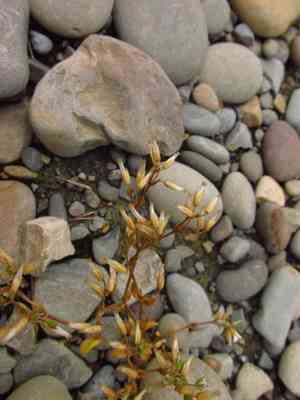
Fivestamen chickweed (Cerastium semidecandrum)
Also known as: Little mouse ear chickweed
The sand-hornwort is an annual to biennial herbaceous plant that typically reaches a height of 1 to 20 centimeters. Its aboveground parts range in color from yellowish to grass-green. The plant features short, usually glandular trichomes up to 0.3 mm long and lacks non-flowering shoots.
In This Article
Attributes of Fivestamen chickweed
Lifespan
Annual
Plant Type
Herb
Plant Height
5 cm to 12 cm
Spread
Not applicable
Leaf Color
Green
Flower Size
6 mm
Flower Color
White
Images of Fivestamen chickweed
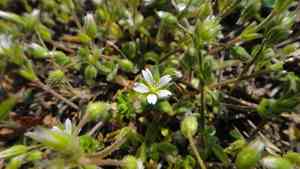
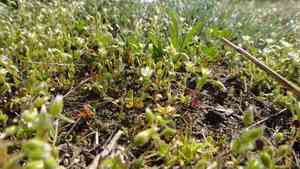
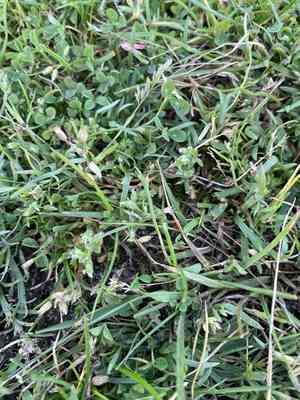
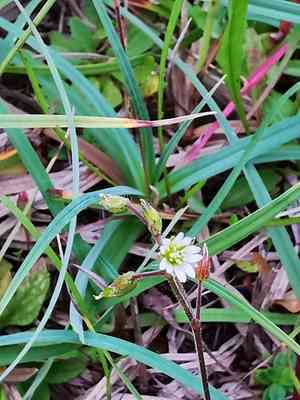
Quickly Identify Fivestamen chickweed
1
Cerastium semidecandrum can be identified by its small, white star-shaped flowers and fuzzy leaves that are oval to lance-shaped. The plant typically has five stamens, which differentiates it from other similar species.
Scientific Classification of Fivestamen chickweed
Phylum
Vascular plants
Class
Dicotyledons
Order
Caryophyllales
Family
Pink
Genus
Mouse-ear chickweed
Species
Fivestamen chickweed
Planting and Growing of Fivestamen chickweed
Care Difficulty
Easy
Watering Schedule
Every 2 days
Sunlight Requirements
Full sun
Sunshine Duration
4-6 hours
Ideal Temperature
60-75℉
Soil Type
Potting Mix, Peat Mix
Soil pH
6.5-7.5
Fertilizer Type
Balanced
Pruning Season
Spring, Summer
Pruning Area
Branches, Leaves
Pruning Frequency
2 times a year
Repotting Season
Spring
Pot Type
Terracotta, Plastic
 How to Water Fivestamen chickweed?
When watering Cerastium semidecandrum, aim for about 200 milliliters per session. This ensures that the soil remains slightly moist without being waterlogged. Water until you see a slight trickle from the drainage holes at the bottom of the pot, indicating even moisture distribution.
What are the symptoms of an underwatered Fivestamen chickweed?
›
What should I do if my Fivestamen chickweed is not getting enough water?
›
What are the symptoms of an overwatered Fivestamen chickweed?
›
How to save an overwatered Fivestamen chickweed?
›
 What Are the Sunlight Requirements for Fivestamen chickweed?
Cerastium semidecandrum benefits from full sun to partial shade. Ideal light conditions facilitate balanced growth, vibrant leaves, and support its natural blooming cycle.
More About Sunlight Requirements Techniques→
What is the ideal lighting condition for Cerastium semidecandrum?
›
How can I make sure my Cerastium semidecandrum receives ideal sunlight?
›
What benefits can Cerastium semidecandrum gain from ideal lighting?
›
 What Is the Ideal Temperature Range for Fivestamen chickweed?
The ideal temperature range for growing Cerastium semidecandrum is between 60 and 75 degrees Fahrenheit. This range ensures the plant can perform photosynthesis optimally, maximizing growth and flowering potential. By maintaining this temperature range, you allow the plant to thrive by mirroring its natural growth conditions found in temperate climates.
 What Soil is Best for Fivestamen chickweed?
Cerastium semidecandrum thrives in well-drained soil which prevents waterlogging that can lead to root rot. This condition allows the roots to access air and nutrients efficiently, promoting healthy growth and flowering. This plant prefers soils that are not overly rich in nutrients. Moderately fertile soil provides the right balance for healthy growth without causing excessive foliage growth at the expense of blooms. A soil pH that is slightly acidic to neutral (6.5-7.5) helps maintain nutrient availability and uptake, ensuring that Cerastium semidecandrum receives the essential nutrients it needs without nutrient lockout.
 How to Fertilize Fivestamen chickweed?
For Cerastium semidecandrum, it's important to maintain a balanced nutrient profile without overloading the soil. Typically, use a diluted liquid fertilizer at 1/4 strength once every two weeks during the growing season. For slow-release fertilizers, apply sparingly, about a teaspoon per plant annually, ensuring it is spread evenly around the base.
 How to Prune Fivestamen chickweed?
Begin pruning Cerastium semidecandrum by inspecting the plant for any dead, damaged, or diseased parts. Use sharp, clean scissors or shears to cut back these unwanted stems and leaves. Focus on shaping the plant to maintain its natural mounding form. Trim excess growth from the base to improve air circulation and light penetration. Don't remove more than one-third of the plant at a time to prevent shock.
More About Pruning Techniques→
 How to Propagate Fivestamen chickweed plant?
1
Fill the seed trays with a quality potting mix, ensuring it is evenly distributed. Tamp down lightly to create a flat surface for sowing seeds.
2
Sprinkle the seeds evenly across the surface of the potting mix. Lightly cover the seeds with a thin layer of the same mix to ensure they are protected but not buried too deeply.
3
Gently water the seeds using a fine mist or a watering can with a rose nozzle to avoid disturbing them. Cover the trays with a clear plastic lid or wrap to maintain humidity.
 How to Repot Fivestamen chickweed plant?
1
Repot in spring or autumn when the plant shows signs of becoming root bound or when growth appears stunted. These signs indicate a need for more room to grow and access to fresh nutrients.
2
Select a pot that is only slightly larger than the current one. This ensures proper growth without overwhelming the plant with excess soil. Ensure the pot has good drainage holes to prevent waterlogging, which can harm the roots.
3
Use well-draining sandy soil to mimic the plant's natural environment. This soil type prevents root rot by allowing excess water to escape easily, enhancing the plant's health and growth.



