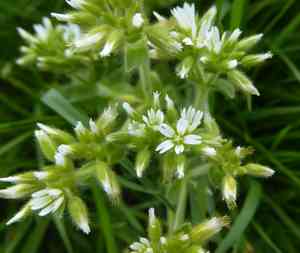
Sticky chickweed (Cerastium glomeratum)
Also known as: Clammy chickweed, Mouse-ear chickweed
A common plant fitting this description is the common dandelion (Taraxacum officinale). This resilient weed typically flourishes in disturbed, well-drained soils and blossoms in spring. It can produce a single stalk with numerous flowers.
In This Article
Attributes of Sticky chickweed
Lifespan
Annual, Biennial, Perennial
Plant Type
Herb
Plant Height
30 cm to 45 cm
Spread
25 cm to 45 cm
Leaf Color
Green Gray Silver
Flower Size
4 mm to 5 mm
Flower Color
White
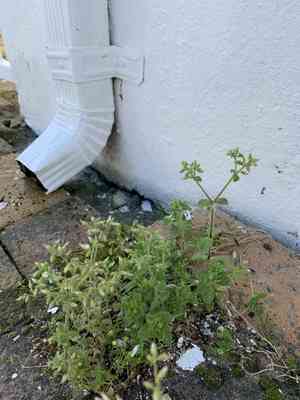
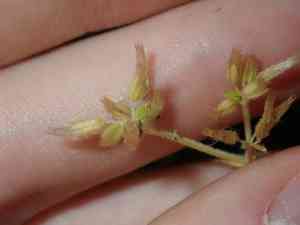
Images of Sticky chickweed
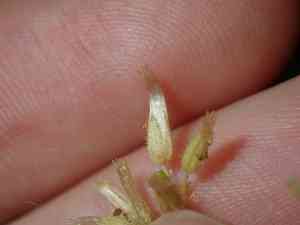
Quickly Identify Sticky chickweed
1
Grayish tint due to fine hairs on leaves and stems.
2
Petals with distinctive two-lobed shape and hairy sepals.
3
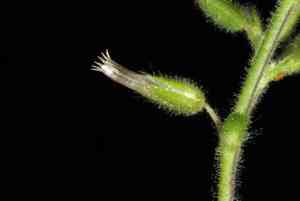
Diminutive capsule-like fruit with smooth surface and teeth at apex.
4
Leaves ovate, covered in sticky hairs, giving a grayish appearance.
5
Erect stems with soft hairs, green to purplish in color.
Scientific Classification of Sticky chickweed
Phylum
Vascular plants
Class
Dicotyledons
Order
Pinks, cacti, and allies
Family
Pink
Genus
Mouse-ear chickweed
Species
Sticky chickweed
Planting and Growing of Sticky chickweed
Care Difficulty
Easy
Watering Schedule
Every 8 days
Sunlight Requirements
Partial sun
Sunshine Duration
6-10 hours
Ideal Temperature
50-77℉
Soil Type
Potting Mix, Peat Mix
Soil pH
6.5-7.5
Fertilizer Type
Balanced
Pruning Season
Spring, Summer
Pruning Area
Branches, Leaves
Pruning Frequency
2 times a year
Repotting Season
Spring
Pot Type
Plastic, Ceramic
 How to Water Sticky chickweed?
For Cerastium glomeratum, it is essential to maintain moist but not waterlogged soil. Aim for about 200 ml of water per session, ensuring the soil is evenly moistened. Water until you see a slight runoff from the pot's drainage holes, indicating that water has reached the roots.
What are the symptoms of an underwatered Sticky chickweed?
›
What should I do if my Sticky chickweed is not getting enough water?
›
What are the symptoms of an overwatered Sticky chickweed?
›
How to save an overwatered Sticky chickweed?
›
 What Are the Sunlight Requirements for Sticky chickweed?
Cerastium glomeratum thrives in partial sun, ideally with 4-6 hours of sunlight daily. Ideal lighting enhances photosynthesis, supports strong stem development, and promotes robust flowering.
What is the ideal lighting for Cerastium glomeratum?
›
How can you achieve ideal lighting conditions?
›
What are the benefits of getting ideal light?
›
 What Is the Ideal Temperature Range for Sticky chickweed?
Cerastium glomeratum, commonly known as sticky mouse-ear chickweed, thrives best in a mild climate. Ideally, temperatures should range from 50°F to 77°F. This range allows the plant to grow robustly and maintain healthy foliage, providing the best conditions for its natural lifecycle.
 What Soil is Best for Sticky chickweed?
Cerastium glomeratum thrives in nutrient-rich soil. This greatly enhances the growth and vibrancy of the plant by ensuring a steady supply of essential nutrients. For optimal growth, Cerastium glomeratum prefers well-drained soil that prevents water logging. Good drainage is crucial to avoid root rot, a common problem in many plants. While well-drained, it's also important for the soil to hold some moisture. This balance helps the plant maintain hydration during dry spells, promoting healthy foliage.
 How to Fertilize Sticky chickweed?
For Cerastium glomeratum, the ideal fertilizer amount should align with its lightweight preferences. Utilize a balanced, water-soluble fertilizer, diluted to half-strength, applying approximately 1 teaspoon per gallon of water. This ensures sufficient nutrient provision without overwhelming the plant.
 How to Prune Sticky chickweed?
Start by identifying any dead or damaged stems. These are often brown or brittle to the touch. Removing these parts is essential as they can harbor pests and diseases that could spread to other areas of the plant. Always use clean, sharp pruning shears to prevent the spread of disease and ensure clean cuts. Clean tools between each cut if your plants show signs of disease or were recently affected by pests. Prune Cerastium glomeratum after its flowering period in the spring or early summer. Cutting back the spent flowers and long stems encourages a second bloom and keeps the plant from becoming lanky.
 How to Propagate Sticky chickweed plant?
1
Fill seed trays with a sterile potting mix. Ensure the mix is moist but not waterlogged to provide the optimal conditions for seed germination.
2
Scatter the Cerastium glomeratum seeds thinly across the surface of the potting mix. Lightly press them into the soil without covering them completely, as they need light to germinate.
3
Keep the soil consistently moist by misting it every day or as needed. Ensure it does not dry out, which could impede the germination process or damage the young seedlings.
 How to Repot Sticky chickweed plant?
1
Keep an eye on your Cerastium glomeratum to identify signs that repotting is necessary. These may include roots growing out of the drainage holes, reduced vigor, or the soil drying out quickly after watering. Ideally, repotting should occur in spring or autumn when the plant is actively growing and can recover from the disturbance.
2
Select a pot that is one size larger than the current one, ensuring it has drainage holes to prevent waterlogging. The material of the pot can be terracotta, plastic, or ceramic, as long as it provides good drainage. A slightly larger pot accommodates the growth of roots, which supports healthier, more vigorous plant growth.
3
Cerastium glomeratum thrives in a well-draining potting mix that replicates its natural habitat. Use a mix containing peat, perlite, and sand to ensure adequate aeration and drainage. This type of soil helps to prevent root rot by allowing excess water to escape while retaining sufficient moisture for the plant's needs.



