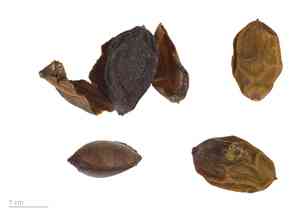
Chinese plum-yew (Cephalotaxus fortunei)
Also known as: Fortune's yew plum
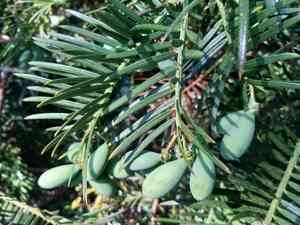
Chinese plum-yews are versatile plants that can range from shrubs to small trees. Their leaves are needle-like and shiny, giving them a distinctive appearance. The plant produces fruit that resembles small plums or olives, containing almond-shaped seeds. As a dioecious species, Chinese plum-yews have separate male and female plants. For successful pollination, it is essential to have both male and female plants nearby to facilitate the transfer of pollen.
In This Article
Attributes of Chinese plum-yew
Lifespan
Perennial
Plant Type
Tree, Shrub
Plant Height
20 m
Spread
5 m
Leaf Color
Green
Flower Size
1 cm
Flower Color
White Yellow Green Brown
Images of Chinese plum-yew
Quickly Identify Chinese plum-yew
1
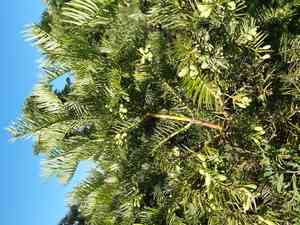
Cephalotaxus fortunei can be identified by its long, flat, dark green needles that are arranged in a V-shape along the stem. The shrub typically has a dense, spreading crown and produces small, oval-shaped, greenish-yellow fruits.
Scientific Classification of Chinese plum-yew
Phylum
Vascular plants
Class
Conifers
Order
Pines and allies
Family
Plum yew
Genus
Plum yew
Species
Chinese plum-yew
Planting and Growing of Chinese plum-yew
Care Difficulty
Moderate
Watering Schedule
Every 2 days
Sunlight Requirements
Full shade
Sunshine Duration
6-10 hours
Ideal Temperature
60-75℉
Soil Type
Potting Mix, Peat Mix
Soil pH
5.5-7
Fertilizer Type
Balanced
Pruning Season
Spring, Summer
Pruning Area
Branches, Leaves
Pruning Frequency
2 times a year
Repotting Season
Spring
Pot Type
Plastic, Ceramic
 How to Water Chinese plum-yew?
When watering Cephalotaxus fortunei, aim for about 500ml each time. The goal is to moisten the soil thoroughly until water starts to trickle out of the drainage holes. This ensures the roots are well-hydrated, but the soil should not be left waterlogged, as taming the perfect balance between dry and soggy is crucial for its optimum growth.
What are the symptoms of an underwatered Chinese plum-yew?
›
What should I do if my Chinese plum-yew is not getting enough water?
›
What are the symptoms of an overwatered Chinese plum-yew?
›
How to save an overwatered Chinese plum-yew?
›
 What Are the Sunlight Requirements for Chinese plum-yew?
Cephalotaxus fortunei prefers to grow in partial sun and full shade settings for optimal health. Ideal light conditions facilitate nutrient absorption, maintaining vibrant foliage and a healthy growth rate.
More About Sunlight Requirements Techniques→
What is the best location for Cephalotaxus fortunei?
›
How can you adjust light for Cephalotaxus fortunei in the growing season?
›
What are the benefits of ideal lighting for this plant?
›
 What Is the Ideal Temperature Range for Chinese plum-yew?
Cephalotaxus fortunei thrives best in moderate climates. The ideal temperature range for this plant is between 60 and 75°F. This range allows for optimal metabolic and physiological processes, ensuring healthy growth and development.
 What Soil is Best for Chinese plum-yew?
Cephalotaxus fortunei thrives in well-drained soil, which prevents waterlogging and root rot. This condition ensures that the roots receive adequate oxygen, promoting vigorous growth and healthier foliage. While drainage is essential, the soil should retain enough moisture to sustain the plant between watering. This balance supports the plant during dry spells without suffocating the root system. The plant benefits from nutrient-rich soil, providing it with essential minerals and organic matter that boost its growth, enhance leaf color, and increase resistance to diseases.
 How to Fertilize Chinese plum-yew?
Cephalotaxus fortunei typically requires a balanced application of fertilizer. For liquid fertilizers, mix at half the recommended rate, applying approximately 500 ml per plant when in the early growth stages. As it matures, adjust according to growth response.
 How to Prune Chinese plum-yew?
Begin by locating dead, diseased, or damaged branches made apparent after winter. These should be the first to go to improve the plant’s overall health and appearance. Trim branches selectively to shape the plant as desired. Aim for a natural form by trimming unwanted growth while leaving the primary structure intact. Use your shears to make cuts close to a leaf or bud. After pruning, clean your tools with a disinfectant solution to prevent the spread of pathogens to other plants. This practice is crucial after removing diseased sections to keep your garden healthy.
More About Pruning Techniques→
 How to Propagate Chinese plum-yew plant?
1
For seed propagation, collect seeds from mature plants in early autumn. For cuttings, choose healthy branches and take cuttings about 4-6 inches long. Ensure the cutting is from current or recent growth for optimal root development.
2
Use a well-draining propagation mix, like a combination of peat and perlite. The medium should be slightly moist but not soggy to prevent rot, which is crucial for both seed germination and cutting propagation.
3
For seeds, sow evenly on the medium's surface and lightly cover. For cuttings, dip the cut end in rooting hormone, insert into the medium, and maintain high humidity. Water lightly and place in a location with bright, indirect light.
 How to Repot Chinese plum-yew plant?
1
Cephalotaxus fortunei typically requires repotting every two to three years. Signs indicating the need to repot include roots circling the pot, slowed growth, and water drainage issues, indicating the soil has become compacted.
2
Choose a pot that is one size larger with adequate drainage holes. Opt for a container made from material like terracotta, which breathes and helps prevent overwatering. This encourages healthy root growth and prevents root rot.
3
Select a well-draining acidic soil mix, containing components like pine bark or composted organic matter. This soil type favors the cephalotaxus by providing a balanced moisture retention and aeration, crucial for preventing root diseases.



