Buttonbush (Cephalanthus) (Cephalanthus)
Also known as: Buttonbush, Button-willow, Honey-bells
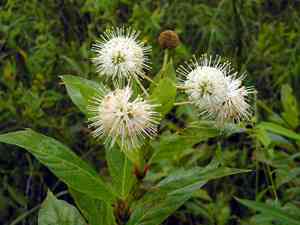
Buttonbush (Cephalanthus occidentalis) is a type of flowering shrub known for its unique, spherical, button-like blooms that are typically creamy white and highly fragrant. This plant is often incorporated into landscaping, especially around wetland areas, because it provides an essential food source for ducks and other waterfowl.
In This Article
Attributes of Buttonbush (Cephalanthus)
Lifespan
Perennial
Plant Height
6-12 feet
Spread
3-8 feet
Leaf Color
Green
Flower Size
1-2 inches
Flower Color
White Yellow Green
Images of Buttonbush (Cephalanthus)
Quickly Identify Buttonbush (Cephalanthus)
1
Cephalanthus can be identified by its round, button-like flower clusters, opposite or whorled leaves, and the distinct habit of growing in wet or swampy areas.
Scientific Classification of Buttonbush (Cephalanthus)
Phylum
Magnoliophyta
Class
Magnoliopsida
Order
Gentianales
Family
Rubiaceae
Genus
Cephalanthus
Planting and Growing of Buttonbush (Cephalanthus)
Care Difficulty
Moderate
Watering Schedule
Every 4 days
Sunlight Requirements
Partial sun
Sunshine Duration
6-10 hours
Ideal Temperature
60-75℉
Soil Type
Potting Mix, Peat Mix
Soil pH
5.5-8
Fertilizer Type
Balanced
Pruning Season
Spring, Summer
Pruning Area
Branches, Leaves
Pruning Frequency
2 times a year
Repotting Season
Spring
Pot Type
Plastic, Ceramic
 How to Water Buttonbush (Cephalanthus)?
When watering Cephalanthus, aim for a thorough soaking of about 500 milliliters per session. This helps to ensure that the water reaches deep into the root zone. Always allow the soil surface to dry out between waterings, but ensure there is enough moisture retained at the root level.
What are the symptoms of an underwatered Buttonbush (Cephalanthus)?
›
What should I do if my Buttonbush (Cephalanthus) is not getting enough water?
›
What are the symptoms of an overwatered Buttonbush (Cephalanthus)?
›
How to save an overwatered Buttonbush (Cephalanthus)?
›
 What Are the Sunlight Requirements for Buttonbush (Cephalanthus)?
Cephalanthus thrives in partial sun, receiving four to six hours of light daily. This exposure supports balanced growth and abundant flowering while minimizing leaf burn risks.
What is the optimal lighting condition for Cephalanthus?
›
How can Cephalanthus achieve its ideal lighting conditions?
›
What benefits does Cephalanthus gain from receiving ideal light conditions?
›
 What Is the Ideal Temperature Range for Buttonbush (Cephalanthus)?
The ideal temperature range for Cephalanthus is between 60°F and 75°F. These temperatures provide optimal conditions for growth and flowering. Ensuring the plant is in an environment within this range fosters healthy metabolism and efficient photosynthesis.
 What Soil is Best for Buttonbush (Cephalanthus)?
Cephalanthus thrives in soil that can retain ample moisture. This is crucial for its growth since the plant is naturally found in wetlands and riverbanks. Moisture-retentive soil helps the plant stay hydrated and promotes lush foliage. To reach its full potential, Cephalanthus prefers soil enriched with nutrients. This type of soil provides essential minerals that aid in robust growth and vibrant flowering throughout the blooming season. Despite its need for moisture, Cephalanthus also benefits from well-draining soils to prevent waterlogging. Proper drainage ensures the roots receive adequate oxygen, reducing the risk of root rot and maintaining plant health.
 How to Fertilize Buttonbush (Cephalanthus)?
Cephalanthus, commonly known as buttonbush, benefits from a balanced nutrient input. Use liquid fertilizer at half strength for young plants and full strength for mature ones. Always start with a smaller amount and adjust as needed, ensuring the soil is moist before application to prevent root burn.
 How to Prune Buttonbush (Cephalanthus)?
Begin by sanitizing your pruning shears to prevent the spread of diseases. Start by removing any dead or diseased branches back to their base. Next, thin out crowded areas to promote air circulation, cutting just above a bud. Maintain the plant's natural shape by trimming excessively long shoots. Time your pruning for early spring, just as new growth begins, or immediately after flowering in summer. After pruning, water the plant thoroughly and consider applying a balanced fertilizer to support new growth. Keep an eye out for any signs of stress or disease in the following weeks.
 How to Propagate Buttonbush (Cephalanthus) plant?
1
Begin by collecting seeds from mature plants. Sow the seeds in a well-draining mix, covering them lightly with soil. Water gently and place the tray in a warm, bright location.
2
Use pruning shears to cut a healthy, 6-inch segment from a mature plant. Remove any lower leaves, dip the cutting in rooting hormone, and plant in a pot with a sterile potting mix.
3
For division propagation, carefully dig up the plant and gently separate the root ball into smaller sections, ensuring each section has roots and stems. Replant each section in a new pot and water thoroughly.
 How to Repot Buttonbush (Cephalanthus) plant?
1
Cephalanthus indicates it needs repotting when you notice its roots encircling the pot, emerging from drainage holes, or when growth becomes stunted. These signs suggest the plant is root-bound, thus restricting its nutrient uptake and overall development. Repotting during the active growing seasons of spring and summer ensures a speedy recovery, allowing it to adapt to its new environment efficiently.
2
Select a pot that is one or two sizes larger than the existing one, preferably with ample drainage holes. The additional space will encourage root expansion and development, while the drainage holes prevent waterlogging—a crucial aspect for maintaining healthy root systems in Cephalanthus. An ideal pot is made of a breathable material like terracotta to promote soil aeration.
3
Opt for a well-draining, loamy soil mix to ensure that the Cephalanthus roots receive adequate oxygen while also retaining enough moisture. A soil blend with a balanced mix of sand, silt, and organic matter will support healthy root development and prevent water stagnation. This type of soil mimics the plant's natural habitat, encouraging robust growth.

