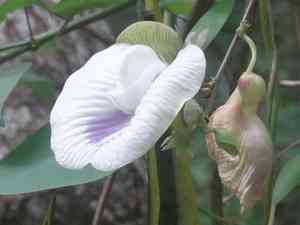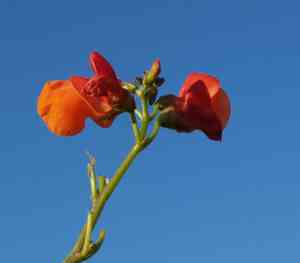
butterfly peas (Centrosema)(Centrosema)

butterfly peas (Centrosema) (Centrosema)

Also known as: Butterfly Pea, Spurred Butterfly Pea

Butterfly peas (Clitoria ternatea) are predominantly found in tropical regions and have a variety of uses:

1. **Culinary Applications**: The striking blue flowers are used to naturally color and enhance the flavor of foods and drinks, including teas, rice dishes, and sweets.
2. **Traditional Medicine**: The plant is valued for its potential health benefits, such as anti-inflammatory and antioxidant effects.
3. **Agricultural Benefits**: It serves as a nitrogen-fixing cover crop, enriching soil fertility and preventing erosion.
4. **Ornamental Use**: The vibrant flowers make it a popular choice for adding aesthetic value to gardens.
5. **Livestock Feed**: Certain species are cultivated as protein-rich forage for animals.

Attributes of butterfly peas (Centrosema)

Lifespan
Perennial
Plant Height
0.5 to 3 meters
Spread
Variable, typically sprawls or climbs on supports
Leaf Color
Green
Flower Size
2 to 5 centimeters
Flower Color
Blue, Purple, White

ForwardPlant - Identify plants with a snap

Identify and diagnose plants, get toxicity alerts, and explore safety guides for all types of fungi.

Try for Free

Images of butterfly peas (Centrosema)
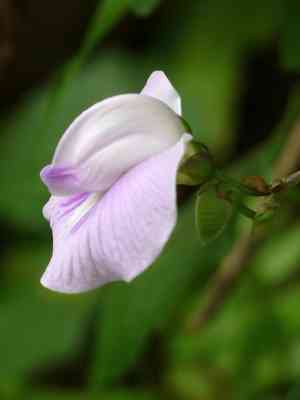
butterfly peas (Centrosema)(Centrosema)

Quickly Identify butterfly peas (Centrosema)

1
Centrosema can be identified by its distinctive flowers that have a shape reminiscent of butterflies. The flowers typically have a pronounced spur at the base and are usually violet-blue or purple. The leaves are generally trifoliate, and the plant has a vining or trailing growth habit.

Scientific Classification of butterfly peas (Centrosema)

Phylum
Magnoliophyta
Class
Magnoliopsida
Order
Fabales
Family
Fabaceae
Genus
Centrosema

Planting and Growing of butterfly peas (Centrosema)

Care Difficulty
Moderate
Watering Schedule
Every 3 days
Sunlight Requirements
Partial sun
Sunshine Duration
6-10 hours
Ideal Temperature
68-77℉
Soil Type
Potting Mix, Peat Mix
Soil pH
6.5-7.5
Fertilizer Type
Balanced
Pruning Season
Spring, Summer
Pruning Area
Branches, Leaves
Pruning Frequency
2 times a year
Repotting Season
Spring
Pot Type
Plastic, Ceramic

water icon How to Water butterfly peas (Centrosema)?

Centrosema plants prefer a moderate amount of water, avoiding both extremes of drought and saturation. The soil should be moist but not waterlogged. Pour about 250 ml of water per session, allowing excess water to drain well. Ensure the topsoil dries slightly between waterings.
What are the symptoms of an underwatered butterfly peas (Centrosema)?
What should I do if my butterfly peas (Centrosema) is not getting enough water?
What are the symptoms of an overwatered butterfly peas (Centrosema)?
How to save an overwatered butterfly peas (Centrosema)?

sunlight icon What Are the Sunlight Requirements for butterfly peas (Centrosema)?

Sunlight Requirements: Partial sun
Duration of light: 4 to 6 hours daily
Centrosema prefers partial sun, thriving with 4 to 6 hours of daily light. This balance is crucial for optimal flowering and to prevent damage from excessive heat.
What is the optimal light exposure?
How can I achieve ideal lighting for Centrosema?
What are the benefits of ideal lighting?

temperature icon What Is the Ideal Temperature Range for butterfly peas (Centrosema)?

Ideal Temperature: 68 ~ 77℉
The ideal temperature range for growing Centrosema is between 68°F and 77°F. This range ensures optimal growth and encourages vibrant flowering. During this period, the plant can efficiently perform photosynthesis and other vital processes essential for its health. Maintaining consistent temperatures within this range minimizes stress and supports robust development.

soil icon What Soil is Best for butterfly peas (Centrosema)?

Soil type: Loam, Sandy loam
Soil PH: 6.5 ~ 7.5
Centrosema thrives in well-drained soils which allow air and water to reach roots effectively. This prevents root rot and supports strong growth. This plant needs soils rich in organic matter to supply essential nutrients. Such soil conditions help Centrosema maintain vibrant foliage and prolific flowering. Aerated soils facilitate healthy root development by providing sufficient oxygen. This enhances nutrient uptake and boosts the plant's resilience to stress.

fertilize icon How to Fertilize butterfly peas (Centrosema)?

Fertilizer type: Balanced
Centrosema prefers a balanced approach to fertilization. Use a liquid fertilizer with a balanced N-P-K ratio, such as 10-10-10, diluted to half strength. For granular fertilizers, use a similar ratio but apply sparingly to avoid nutrient overload.

prune icon How to Prune butterfly peas (Centrosema)?

Pruning Time: Spring, Summer
To prune Centrosema, start by using clean, sharp pruners to remove any dead or diseased stems at their base, promoting healthy new growth. Next, shape the plant by cutting back excess growth to maintain a compact shape, ensuring better sunlight penetration and air circulation.

propagate icon How to Propagate butterfly peas (Centrosema) plant?

Propagate Time: Spring, Early Summer
1
Collect mature seeds from the plant pods when they are dry and brown. Ensure they are fully developed to improve germination rates. Store them in a dry, cool place until ready for planting.
2
Select healthy, non-flowering shoots and cut approximately 10 cm in length. Remove the lower leaves and ensure that the cutting has at least two nodes to facilitate root development.
3
Sow seeds in seed trays filled with a seed-starting mix, covering them lightly. Place cuttings in potting mix, ensuring nodes are below the surface. Water gently to keep the medium moist but not waterlogged.

repot icon How to Repot butterfly peas (Centrosema) plant?

Repotting frequency: Every 2-3 years
1
Centrosema should be repotted when its roots begin poking through the drainage holes, or the plant's growth seems stunted despite adequate watering and sunlight. Another sign is the soil drying out very quickly after watering, indicating root crowding. Spring and Summer are ideal times as the plant is in its growth phase and can recover swiftly from the disturbance.
2
Choose a pot that is 1-2 inches larger in diameter than the current one, ensuring it has drainage holes. A slightly larger pot will give the roots room to grow without causing waterlogging. The material should be breathable, like terracotta, which helps prevent root rot that Centrosema is prone to if waterlogged.
3
Opt for well-draining, sandy soil that mimics Centrosema's natural environment. A good blend includes standard potting mix with added sand or perlite. This choice ensures excess water drains swiftly, reducing the risk of root rot and allowing for oxygen exchange, promoting healthy root development.

ForwardPlant - Identify plants with a snap

Find the best spots for them to optimize their health, simply using your phone.

Try for Free