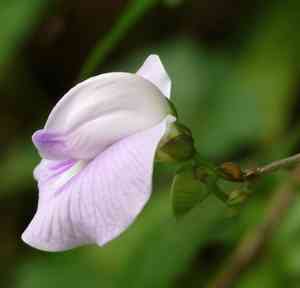
Centro (Centrosema pubescens)
Also known as: Choreque negro, Cowitch
Centrosema pubescens, commonly known as Centro, is a leguminous forage crop widely cultivated in tropical regions. It is highly valued for its rich content of calcium, potassium, and protein, making it an excellent nutritional source for livestock. One notable characteristic of Centro is its dense vine growth, which effectively suppresses invasive weeds by outcompeting them. This natural weed control reduces the need for chemical herbicides and promotes a healthier ecosystem.
In This Article
Attributes of Centro
Lifespan
Perennial
Plant Type
Herb, Vine
Plant Height
45 cm
Spread
Variable, usually climbing
Leaf Color
Green Blue
Flower Size
3 cm to 4 cm
Flower Color
Purple White
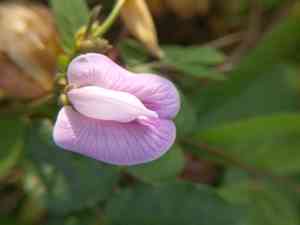
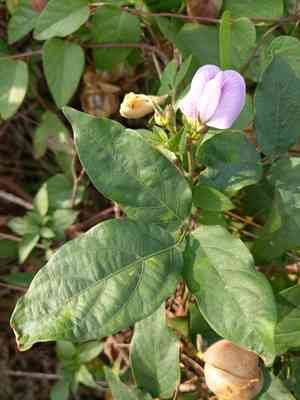
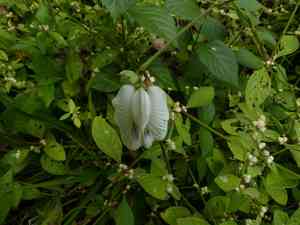
Images of Centro
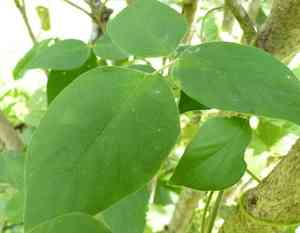
Quickly Identify Centro
1
Centrosema pubescens can be identified by its trifoliate leaves, which have three oval leaflets, and its distinctive blue-purple flowers that resemble a butterfly in shape. The plant also produces elongated pods containing seeds.
Scientific Classification of Centro
Phylum
Vascular plants
Class
Dicotyledons
Order
Fabales
Family
Legume
Genus
butterfly peas
Species
Centro
Planting and Growing of Centro
Care Difficulty
Easy
Watering Schedule
Every 4 days
Sunlight Requirements
Partial sun
Sunshine Duration
6-10 hours
Ideal Temperature
75-86℉
Soil Type
Potting Mix, Peat Mix
Soil pH
6-7.5
Fertilizer Type
Balanced
Pruning Season
Spring, Summer
Pruning Area
Branches, Leaves
Pruning Frequency
2 times a year
Repotting Season
Spring
Pot Type
Plastic, Ceramic
 How to Water Centro?
Centrosema pubescens, commonly known as the butterfly pea, thrives with a moderate watering regimen. Each watering should saturate the soil to a depth of about 6 inches, ensuring that the roots receive adequate moisture without becoming waterlogged. This typically requires about 500 ml of water per session, applied evenly around the plant's base.
What are the symptoms of an underwatered Centro?
›
What should I do if my Centro is not getting enough water?
›
What are the symptoms of an overwatered Centro?
›
How to save an overwatered Centro?
›
 What Are the Sunlight Requirements for Centro?
Partial sun to full sun, receiving approximately 4 to 8 hours of direct or bright indirect sunlight daily enhances the plant's ability to photosynthesize and maintain robust health. Ideal lighting enhances growth, flowering, and resistance against environmental stressors.
More About Sunlight Requirements Techniques→
What are the ideal lighting conditions for Centrosema pubescens?
›
How can one achieve these ideal lighting conditions?
›
What benefits can the plant experience under ideal lighting?
›
 What Is the Ideal Temperature Range for Centro?
The ideal temperature range for Centrosema pubescens is between 75°F and 86°F. This range ensures optimal growth and flowering, as it mimics the plant's natural tropical habitat, providing the warmth necessary for photosynthesis and metabolic processes.
 What Soil is Best for Centro?
Centrosema pubescens thrives best in nutrient-rich soil as the nutrients promote healthy growth and a more vibrant foliage, ensuring the plant's longevity and resistance to diseases. Loamy and sandy loam soils are perfect as they offer excellent drainage. Good drainage prevents root rot and promotes a robust root system, which is crucial for the overall health of Centrosema pubescens. While it tolerates moderate drought, maintaining a level of moisture is key. This helps Centrosema pubescens to stay hydrated without waterlogging, supporting continuous flowering and vigor.
 How to Fertilize Centro?
Centrosema pubescens thrives on a delicate balance of nutrients. For liquid fertilizers, mix a balanced 10-10-10 NPK solution at half the recommended strength on the packaging. Apply this mixture with care, ensuring not to overwhelm the plant's roots.
 How to Prune Centro?
First, identify and remove any dead or diseased stems to prevent the spread of disease within the plant. Cut these back to the base. Prune to shape the plant by selectively trimming long, overgrown shoots. This ensures the plant maintains a tidy appearance and avoids leggy growth. Trim back the longer stems to a node or bud. This encourages new growth and helps the plant to produce more flowers. After pruning, collect all fallen plant debris to keep the area clean and reduce the chances of disease or pests.
More About Pruning Techniques→
 How to Propagate Centro plant?
1
Choose healthy seeds by looking for those that are plump and free of damage. For cuttings, select a mature stem section, ideally 4-6 inches long, and ensure it has several nodes to encourage rooting.
2
Use a well-draining potting mix, combining garden soil, peat moss, and perlite for optimum growth. This medium maintains moisture yet provides ample aeration, crucial for seeds and cuttings to establish roots effectively.
3
For seeds, plant them about 1 cm deep in the tray and gently water to moisten the soil. For cuttings, insert the cut end into the soil and press gently around the base to secure it, then water lightly to keep the medium consistent in moisture.
 How to Repot Centro plant?
1
Centrosema pubescens should be repotted when its roots start showing through the drainage holes, indicating that it's root-bound. Moreover, if the plant's growth has noticeably slowed down, it may be a sign that it's time to refresh the soil and offer more room for growth. Ideally, repotting should be done during the plant's active growth phase in spring or summer.
2
Select a pot that is one size larger than the current one as this allows some extra room for root development. Ensure the new pot has sufficient drainage holes to prevent water accumulation, which can lead to root rot. The material of the pot, whether terracotta or plastic, should facilitate easy handling and match your aesthetic preference, ensuring that the plant complements your space beautifully.
3
Opt for a well-draining loamy soil mix that retains moisture without becoming soggy. Such a soil will provide Centrosema pubescens with the necessary nutrients while allowing excess water to escape efficiently, guarding against root rot. Incorporating organic matter, such as compost, can enhance nutrient content and improve overall plant health.
Toxicity
Ingestion
WARNING
The judgment on toxicity and danger is for reference only. We DO NOT GUARANTEE any accuracy of such judgment. Therefore, you SHALL NOT rely on such judgment. It is IMPORTANT TO SEEK PROFESSIONAL ADVICE in advance when necessary.



