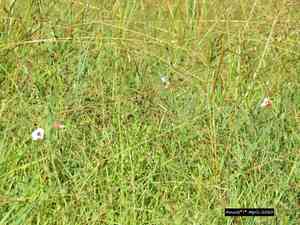
Swamp foxglove (Centranthera cochinchinensis)
Also known as: None
Swamp foxglove is an annual herb known for its elongated, tubular flowers that come in shades of white, yellow, pink, or mauve. Its leaves are narrow, lance-like, and dark green. In Nepal, it serves as cattle fodder. Gardeners appreciate this plant for its vibrant autumn blooms, which provide color when many other plants have ceased flowering.
In This Article
Attributes of Swamp foxglove
Lifespan
Annual
Plant Type
Herb
Plant Height
30 cm to 60 cm
Spread
Not typically measured as a crown, more of a bushy spread
Leaf Color
Green
Flower Size
Approximately 1 cm
Flower Color
White Yellow Pink Purple Orange
Images of Swamp foxglove

Quickly Identify Swamp foxglove
1
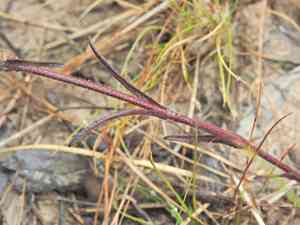
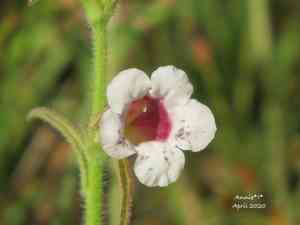
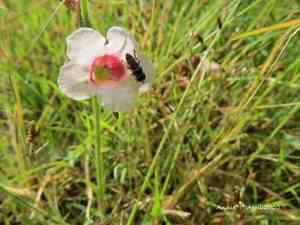
The plant can be identified by its small, tubular flowers and distinctive, lanceolate leaves.
Scientific Classification of Swamp foxglove
Phylum
Vascular plants
Class
Dicotyledons
Order
Mints plantains olives and allies
Family
Broomrape
Genus
Centranthera
Species
Swamp foxglove
Planting and Growing of Swamp foxglove
Care Difficulty
Easy
Watering Schedule
Every 4 days
Sunlight Requirements
Partial sun
Sunshine Duration
6-10 hours
Ideal Temperature
68-86℉
Soil Type
Potting Mix, Peat Mix
Soil pH
5.5-7.5
Fertilizer Type
Balanced
Pruning Season
Spring, Summer
Pruning Area
Branches, Leaves
Pruning Frequency
2 times a year
Repotting Season
Spring
Pot Type
Plastic, Ceramic
 How to Water Swamp foxglove?
Centranthera cochinchinensis prefers about 500 ml of water per session, enough to moisten the soil without leaving it waterlogged. Ensure the top 2 inches of soil dry out before the next watering. This plant enjoys consistent moisture but dislikes standing water, requiring a careful balance in watering quantities.
What are the symptoms of an underwatered Swamp foxglove?
›
What should I do if my Swamp foxglove is not getting enough water?
›
What are the symptoms of an overwatered Swamp foxglove?
›
How to save an overwatered Swamp foxglove?
›
 What Are the Sunlight Requirements for Swamp foxglove?
Partial to full sun exposure is ideal, promoting healthy growth and vibrant foliage. With this range, the plant receives necessary light for photosynthesis while minimizing risks such as leaf burning.
What type of sunlight does Centranthera cochinchinensis prefer?
›
How can I ensure Centranthera cochinchinensis gets the ideal light?
›
What benefits does ideal lighting provide to Centranthera cochinchinensis?
›
 What Is the Ideal Temperature Range for Swamp foxglove?
For optimal growth, Centranthera cochinchinensis thrives best in temperatures ranging from 68°F to 86°F. Maintaining this temperature range ensures healthy photosynthesis and metabolism, promoting robust growth and flowering.
 What Soil is Best for Swamp foxglove?
Centranthera cochinchinensis thrives in well-drained soils that prevent waterlogging. This drainage ensures that the roots have access to oxygen and do not rot, promoting healthier growth and the overall robustness of the plant. This plant benefits from a soil rich in organic matter, which provides the essential nutrients required for vibrant foliage and robust flowering. Enhancing the soil with compost can contribute to the plant's long-term vigor. While the plant prefers well-drained soil, maintaining moderate moisture levels is crucial. Sufficient moisture availability facilitates optimal nutrient uptake, supporting the plant's health and preventing stress-induced damage.
 How to Fertilize Swamp foxglove?
For Centranthera cochinchinensis, it is essential to provide a balanced nutrient supply. Use a half-strength liquid fertilizer, as this plant requires moderate feeding. Over-fertilizing can lead to nutrient burn, while under-fertilizing can stunt growth. Aim for about 100-150 ml of diluted liquid fertilizer monthly, ensuring the plant is never stressed by nutrient variations.
 How to Prune Swamp foxglove?
Begin by identifying any dead, damaged, or diseased stems and leaves. Remove these sections to maintain the plant's health and to prevent any disease from spreading. Gradually trim the plant to maintain its desired shape, ensuring that light penetrates the inner branches. This encourages a more bushy and compact growth, promoting fuller blooms. When making cuts, ensure to prune back to an outward-facing node or bud. This helps direct new growth outward, maintaining an even and natural form.
More About Pruning Techniques→
 How to Propagate Swamp foxglove plant?
1
Collect seeds once the flowers have faded and the seed pods have matured. Wait until they are dry to ensure maximum viability. Store them in a cool, dry place until ready for planting.
2
Select a healthy, non-flowering stem and cut just below a node. The cutting should be about 4-6 inches long with several leaves. Remove any leaves from the lower part of the cutting to encourage root growth.
3
During the active growing season, carefully divide the plant at the root ball. Make sure each division has roots and shoots. Replant in well-drained soil and water thoroughly.
 How to Repot Swamp foxglove plant?
1
Centranthera cochinchinensis signals its need for repotting through stunted growth and root congestion. If you notice roots emerging from the pot's drainage holes, it's time to repot. Ideally, this process should align with its active growth periods in spring or early summer to minimize stress and maximize recovery.
2
Select a pot just slightly larger than the current one; about 1-2 inches bigger in diameter. This size increment allows the roots to expand without the risk of waterlogged soil. Opt for pots with multiple drainage holes to prevent root rot and facilitate healthy root growth.
3
A well-draining soil mix is crucial for healthy root development. Look for mixes that contain perlite, sand, or pumice to improve aeration while retaining necessary moisture. This soil structure helps prevent root rot and supports stable plant growth.



