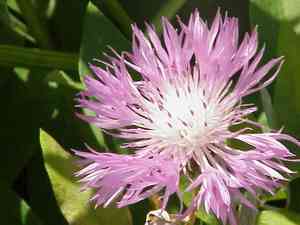
Centaury (Centaurea) (Centaurea)
Also known as: Knapweeds, Loggerheads, Centory, Cornflowers
Thistle-like, flowering plants are widespread across the globe and are known by various names. Common ones include thistles, knapweeds, bluets, starthistles, and loggerheads. Due to their resilience and rapid growth, some of these species are deemed invasive weeds, making them challenging to control and eradicate.
In This Article
Attributes of Centaury (Centaurea)
Lifespan
Annual, Biennial, Perennial
Plant Height
50 cm
Spread
35 cm
Leaf Color
Green, sometimes silvery-green
Flower Size
Approximately 2 to 4 cm (0.8 to 1.6 inches)
Flower Color
Blue, purple, pink, yellow
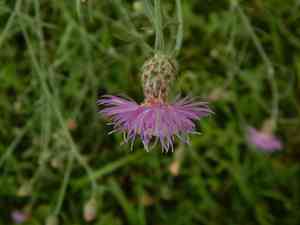
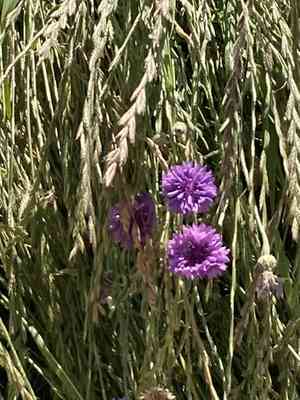
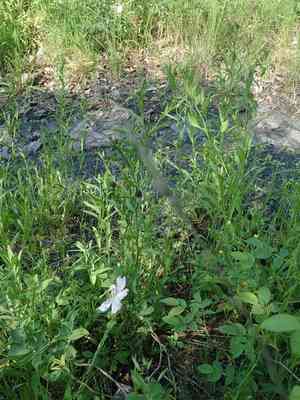
Images of Centaury (Centaurea)
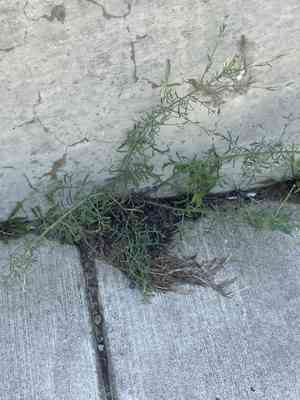
Quickly Identify Centaury (Centaurea)
1
Identifying Centaurea involves looking for their distinctive, thistle-like flowers that can be blue, purple, pink, or yellow. The leaves are often lanceolate and can have a serrated or lobed edge. The floral heads resemble small, spiky balls.
Scientific Classification of Centaury (Centaurea)
Phylum
Magnoliophyta
Class
Magnoliopsida
Order
Asterales
Family
Asteraceae
Genus
Centaurea
Planting and Growing of Centaury (Centaurea)
Care Difficulty
Moderate
Watering Schedule
Every 2 days
Sunlight Requirements
Full sun
Sunshine Duration
6-10 hours
Ideal Temperature
60-75℉
Soil Type
Potting Mix, Peat Mix
Soil pH
6.5-7.5
Fertilizer Type
Balanced
Pruning Season
Spring, Summer
Pruning Area
Branches, Leaves
Pruning Frequency
2 times a year
Repotting Season
Spring
Pot Type
Plastic, Terracotta
 How to Water Centaury (Centaurea)?
For the Centaurea, a deep watering regimen ensures its health. This means saturating the soil to a depth of 6 to 8 inches with about 500 ml of water per session. The soil should have moist yet not soggy conditions, ensuring water reaches the roots without causing waterlogging.
What are the symptoms of an underwatered Centaury (Centaurea)?
›
What should I do if my Centaury (Centaurea) is not getting enough water?
›
What are the symptoms of an overwatered Centaury (Centaurea)?
›
How to save an overwatered Centaury (Centaurea)?
›
 What Are the Sunlight Requirements for Centaury (Centaurea)?
Ideal light range is full sun to partial sun. This optimal light exposure will ensure beautiful, healthy blooms and robust foliage by providing energy essential for photosynthesis and growth.
How can I ensure Centaurea receives optimal sunlight?
›
What if I can't provide full sun conditions?
›
Why is it important for Centaurea to have full sun?
›
 What Is the Ideal Temperature Range for Centaury (Centaurea)?
The ideal temperature range for Centaurea plants typically falls between 60°F and 75°F. This range ensures optimal growth and bloom while preventing stress symptoms such as wilting or yellowing leaves. Maintaining this temperature range promotes healthy metabolic functions and supports robust flowering cycles.
 What Soil is Best for Centaury (Centaurea)?
Centaurea thrives in nutrient-rich soils that provide essential minerals for vigorous growth and vibrant blooms. Ensuring the soil contains sufficient organic matter will enable the plant to meet its nutritional needs efficiently. Ensuring well-drained soil is crucial for Centaurea as it prevents waterlogging, which can lead to root rot. Sandy loam is ideal because it offers superior drainage while retaining enough moisture for plant uptake. Centaurea prefers soil that maintains moderate moisture levels, which helps support its growth without overly drying out. This balance is vital in regions with fluctuating water availability, ensuring the plant remains hydrated without risk of overwatering.
 How to Fertilize Centaury (Centaurea)?
When applying fertilizer to Centaurea, be cautious not to overfeed. A balanced 10-10-10 liquid fertilizer should be diluted to half strength for liquid feeding. For solid fertilizers, a few tablespoons evenly dispersed around the root zone are adequate for optimal growth.
 How to Prune Centaury (Centaurea)?
Begin by removing any dead, damaged, or diseased stems. Cut these back to their base or to a healthy node. This not only helps the plant direct energy to healthy growth but also reduces the risk of infection and improves the plant's overall appearance. To encourage bushier growth and more blooms, pinch back the growing tips of the plant. This involves removing about an inch of the stem tip, which stimulates lateral growth and results in a fuller appearance. Once the blooming period has ended, cut the plant back by about a third. This not only tidies the plant up but also stimulates a new flush of growth which can lead to more flowers in the following season.
 How to Propagate Centaury (Centaurea) plant?
1
Collect mature seeds from Centaurea in late summer or early autumn when the seed heads have fully dried. Gently shake or manually remove seeds to avoid damaging them.
2
Select non-flowering stems for cuttings in late spring or early summer. Cut just below a node with sterile pruning shears to ensure healthy and viable propagation material.
3
Divide established Centaurea plants in early spring. Carefully separate roots to form smaller clumps, ensuring each has a healthy set of roots and shoots.
 How to Repot Centaury (Centaurea) plant?
1
You should consider repotting Centaurea when you notice roots growing out of the drainage holes, soil drying out quicker than usual, or if the plant's growth seems stunted. These are clear signals that the plant has outgrown its current pot and needs more space to thrive.
2
Select a pot that is one size larger than the current one, preferably with good drainage holes. A pot that allows excess water to escape prevents root rot and keeps the soil aerated, ensuring the plant remains healthy and robust in its new home.
3
Opt for a well-draining potting mix, enriched with organic matter. Such soil structure ensures that the plant does not sit in water, which is crucial for preventing root diseases and promoting vigorous growth.
Learn More About Centaury (Centaurea) Diseases
Anthracnose
Bacterial Leaf Spot
Bacterial Soft Rot
Bacterial Wilt
Black Spot
Chemical Injury
Crown Gall
Cyst Nematode
Damping-off
Downy Mildew
Drought Stress
Fusarium Wilt
Gray Mold
Leaf Spot
Mosaic
Nutrient Deficiency
Nutrient Toxicity
Powdery Mildew
Root Rot
Root-knot Nematode
Rusts
Sooty Mold
Spider Mites
Temperature Stress
Thrips Damage
White Mold

