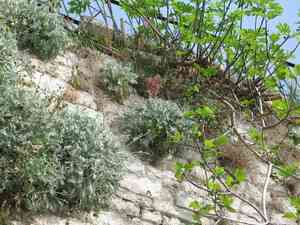
Centaurea ragusina (Centaurea ragusina)
Also known as: Dalmatian knapweed, Dusty miller
Centaurea ragusina, a type of Centaurea, is discovered in the region of Croatia.
In This Article
Attributes of Centaurea ragusina
Lifespan
Perennial
Images of Centaurea ragusina
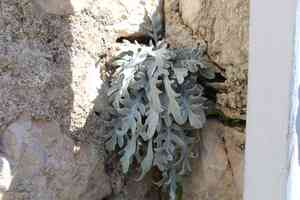
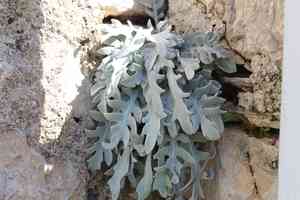
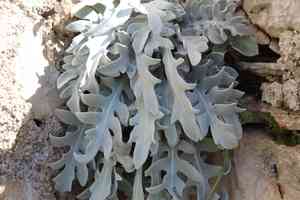
Quickly Identify Centaurea ragusina
1
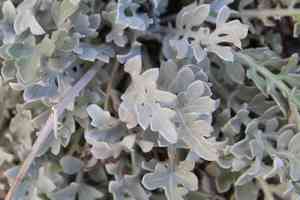
Identify Centaurea ragusina by its characteristic silvery-grey leaves that resemble the appearance of dusty miller plants. The leaves are lance-shaped, and the plant produces bright yellow composite flowers.
Scientific Classification of Centaurea ragusina
Phylum
Tracheophyta
Class
Magnoliopsida
Order
Asterales
Family
Asteraceae
Genus
Centaurea
Species
C. ragusina
Planting and Growing of Centaurea ragusina
Care Difficulty
Easy
Watering Schedule
Every 2 days
Sunlight Requirements
Full sun
Sunshine Duration
6-10 hours
Ideal Temperature
65-75℉
Soil Type
Potting Mix, Peat Mix
Soil pH
6.5-7.5
Fertilizer Type
Balanced
Pruning Season
Spring, Summer
Pruning Area
Branches, Leaves
Pruning Frequency
2 times a year
Repotting Season
Spring
Pot Type
Plastic, Ceramic
 How to Water Centaurea ragusina?
When watering Centaurea ragusina, aim to keep the soil evenly moist without allowing it to become waterlogged. Use around 200 milliliters of water per session, ensuring it reaches the root zone without pooling on the surface.
What are the symptoms of an underwatered Centaurea ragusina?
›
What should I do if my Centaurea ragusina is not getting enough water?
›
What are the symptoms of an overwatered Centaurea ragusina?
›
How to save an overwatered Centaurea ragusina?
›
 What Are the Sunlight Requirements for Centaurea ragusina?
Centaurea ragusina prefers intermediate light, ideally full sun with occasional partial shade. Proper sunlight aids in enhancing its structural integrity and aesthetic appeal.
What type of sunlight does Centaurea ragusina prefer?
›
How can I provide the ideal lighting for Centaurea ragusina?
›
What benefits does optimal lighting provide to Centaurea ragusina?
›
 What Is the Ideal Temperature Range for Centaurea ragusina?
The ideal temperature range for Centaurea ragusina is between 65°F to 75°F. This range provides the best conditions for its growth and development, offering a perfect balance for photosynthesis and biochemical processes. Maintaining these temperatures ensures optimal health and sustenance of the plant, promoting blooming and leaf growth.
 What Soil is Best for Centaurea ragusina?
Centaurea ragusina thrives in well-drained soil that prevents waterlogging. This kind of soil allows for adequate air circulation around the roots, reducing the risk of root rot and promoting healthy plant growth. This plant prefers a slightly alkaline soil environment, which enhances nutrient availability and the activity of beneficial microorganisms, ensuring robust growth and vibrant foliage. Centaurea ragusina does not require nutrient-rich soils, making it ideal for low-maintenance gardens. This characteristic allows it to flourish in marginal areas where other plants might struggle.
 How to Fertilize Centaurea ragusina?
Centaurea ragusina requires moderate fertilization. For liquid fertilizers, use about half the recommended concentration on the label per application. For slow-release fertilizers, apply around 30 grams per plant. Over-fertilizing can be harmful, so adjust based on plant response.
 How to Prune Centaurea ragusina?
Begin by identifying and cutting away any dead, damaged, or diseased stems. This helps in maintaining plant health and prevents the spread of infection. Trim back overgrown or leggy stems to create a compact and aesthetically pleasing shape. Focus on trimming just above a leaf node to promote branching. For older Centaurea ragusina plants, consider cutting back about one-third of the stems to the base to encourage new, vigorous growth from the roots.
 How to Propagate Centaurea ragusina plant?
1
Start by soaking the seeds in water overnight to encourage better germination. This step helps soften the seed coat, allowing the seedling to break through more easily.
2
Select healthy stems to take cuttings from. Make sure each cutting is about 4-6 inches long and remove the lower leaves to prevent decay when planted.
3
Whether using seeds or cuttings, plant them in well-draining soil. Keep the soil consistently moist but not waterlogged, as excessive water can hinder root development.
 How to Repot Centaurea ragusina plant?
1
Centaurea ragusina should be repotted when you notice roots circling the bottom of the pot or pushing out through drainage holes. Another telltale sign is slow or stunted growth. The ideal time to repot is during spring or autumn when the plant is not in its peak growing or dormant phase. Plant growth is supported by the mild weather, giving the roots ample opportunity to establish in the new medium.
2
Opt for a pot that is one to two inches larger in diameter than the current pot. Preferably, choose containers made of porous materials like clay, which allow better air circulation to the roots. The presence of drainage holes is essential to prevent waterlogging. A suitable pot ensures healthier root development and reduces the risk of root rot, supporting the vigourous growth of Centaurea ragusina.
3
Pick a soil mix composed largely of sand and perlite, promoting excellent drainage while retaining necessary nutrients. Such a mixture prevents water from pooling around the roots, which can lead to rot. A well-chosen soil blend offers an ideal balance of aeration and moisture control, essential for the plant's thriving health.
Learn More About Centaurea ragusina Diseases
Anthracnose
Bacterial Leaf Spot
Bacterial Soft Rot
Bacterial Wilt
Chemical Injury
Crown Gall
Cyst Nematode
Damping-off
Downy Mildew
Drought Stress
Fusarium Wilt
Gray Mold
Leaf Spot
Mosaic
Nutrient Deficiency
Nutrient Toxicity
Powdery Mildew
Root Rot
Root-knot Nematode
Rusts
Sooty Mold
Spider Mites
Temperature Stress
Thrips Damage
White Mold

