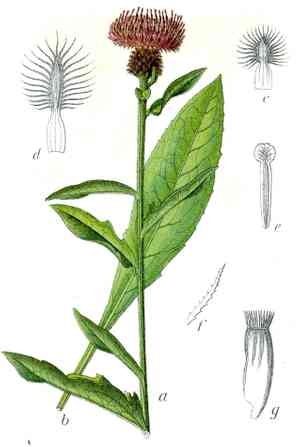
Lesser knapweed (Centaurea nigra)
Also known as: Common knapweed, Hardheads
Lesser knapweed (Centaurea nigra) is a flowering plant belonging to the daisy family. Also known as black knapweed, common knapweed, or hardheads, this plant is native to Europe. It is renowned for its exceptional nectar production, often surpassing most other plants in this regard.
In This Article
Attributes of Lesser knapweed
Lifespan
Perennial
Plant Type
Herb
Plant Height
1 m
Spread
50 cm
Leaf Color
Green
Flower Size
2 cm to 3 cm
Flower Color
Purple Pink Red
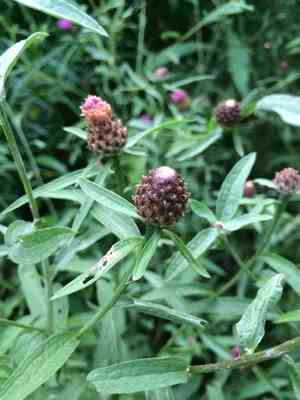
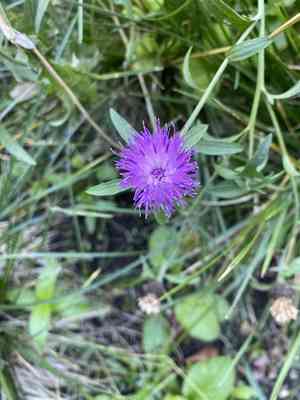
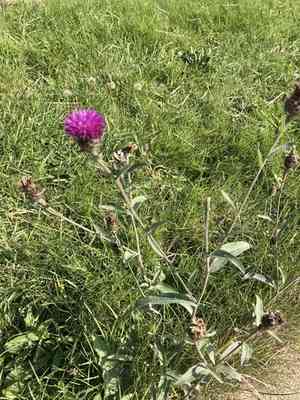
Images of Lesser knapweed
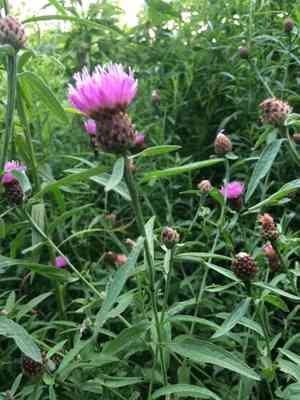
Quickly Identify Lesser knapweed
1
To identify Centaurea nigra, look for its distinctive purplish-black flower heads that bloom from midsummer to early fall. The leaves are lance-shaped and can vary from a green to greyish-green color. The plant often has a rough texture due to bristly hairs.
Scientific Classification of Lesser knapweed
Phylum
Vascular plants
Class
Dicotyledons
Order
Asterales
Family
Daisy
Genus
Centaury
Species
Lesser knapweed
Planting and Growing of Lesser knapweed
Care Difficulty
Easy
Watering Schedule
Every 2 days
Sunlight Requirements
Full sun
Sunshine Duration
4-8 hours
Ideal Temperature
60-75℉
Soil Type
Potting Mix, Peat Mix
Soil pH
5.5-7.5
Fertilizer Type
Balanced
Pruning Season
Spring, Summer
Pruning Area
Branches, Leaves
Pruning Frequency
2 times a year
Repotting Season
Spring
Pot Type
Plastic, Ceramic
 How to Water Lesser knapweed?
When watering Centaurea nigra, aim for a thorough yet not excessive hydration. Ensure the soil is moist but not soggy, providing around 500 milliliters each session to maintain balance. The aim is for the water to reach the root zones without causing waterlogging.
What are the symptoms of an underwatered Lesser knapweed?
›
What should I do if my Lesser knapweed is not getting enough water?
›
What are the symptoms of an overwatered Lesser knapweed?
›
How to save an overwatered Lesser knapweed?
›
 What Are the Sunlight Requirements for Lesser knapweed?
Centaurea nigra thrives in full sun to partial sun conditions. This range fosters optimal photosynthesis, ensuring energy is sufficiently generated for strong blooming and dense foliage.
What is the best location for Centaurea nigra?
›
How can I ensure Centaurea nigra receives adequate light?
›
What are the benefits of ideal lighting for Centaurea nigra?
›
 What Is the Ideal Temperature Range for Lesser knapweed?
The ideal temperature range for Centaurea nigra is between 60°F and 75°F. Maintaining this temperature range ensures optimal growth and blooming, as it mimics the conditions of its natural habitat. Consistent temperatures within this bracket promote healthy foliage and the development of vibrant flowers.
 What Soil is Best for Lesser knapweed?
Centaurea nigra thrives in well-drained soil. Good drainage prevents root rot and supports healthy growth, ensuring the plant receives the right moisture level for optimal nutrition absorption. The plant prefers soil that is rich in organic matter. High nutrient content boosts the plant's resilience to pests and diseases and supports vibrant blooming. While the soil should drain well, it should also retain enough moisture to support sustained growth. Maintaining moisture balance aids in consistent nutrient uptake throughout the growing season.
 How to Fertilize Lesser knapweed?
Centaurea nigra generally requires moderate amounts of nutrients. Use a balanced liquid fertilizer, diluted to half strength, ensuring the soil does not become too rich as it can affect flowering. Apply about 100 ml per application for a small to medium-sized plant.
 How to Prune Lesser knapweed?
Begin by assessing the plant's current structure. Remove any dead or damaged stems, as these do not contribute to the plant's overall health and can harbor pests or diseases. Focus on shaping the plant by cutting back overly long stems. This encourages a more compact and bushy growth, leading to a more aesthetically pleasing appearance. Cut back faded flowers to the next pair of leaves. This deadheading encourages the plant to produce more blooms, enhancing its visual appeal and prolonging the flowering season.
 How to Propagate Lesser knapweed plant?
1
Begin by filling a seed tray with a starting mix and plant Centaurea nigra seeds about 1/4 inch deep. Maintain moisture and place in a sunny location.
2
Once seedlings develop a few true leaves, transplant them into individual pots or to an outdoor location after the danger of frost has passed.
3
Dig up the entire plant and gently separate the clumps. Replant them immediately at the same soil depth to ensure successful propagation.
 How to Repot Lesser knapweed plant?
1
Repot Centaurea nigra when you notice signs like roots growing out of the drainage holes or the plant appearing top-heavy. Spring and summer are ideal seasons for repotting because the plant is actively growing and more resilient to changes.
2
Select a pot that is 1-2 inches larger in diameter than the current one. Ensure it has drainage holes to prevent waterlogging, which can lead to root rot. Terracotta pots are excellent as they allow moisture to evaporate, helping to prevent overwatering.
3
Opt for a well-draining loamy soil mix that retains some moisture but does not become waterlogged. Adding perlite or sand improves aeration and drainage, supporting healthy root development and reducing the risk of root rot.


