
Velvet centaurea (Centaurea cineraria)
Also known as: Silver dust
Velvet centaurea (Centaurea cineraria) typically reaches a height of 15 to 61 cm. It prefers full sun to partial shade and produces white or yellow flowers in the summer. This plant is mainly cultivated for its attractive gray-green foliage, which pairs well with darker green plants in the garden. Gardeners often trim the flowers to promote denser leaf growth.
In This Article
Attributes of Velvet centaurea
Lifespan
Perennial, Annual, Biennial
Plant Type
Herb
Plant Height
15 cm to 60 cm
Spread
60 cm to 90 cm
Leaf Color
Green White Gray Silver
Flower Size
2.5 cm to 5 cm
Flower Color
Yellow Pink
Images of Velvet centaurea
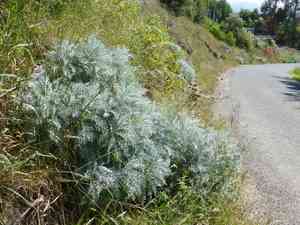
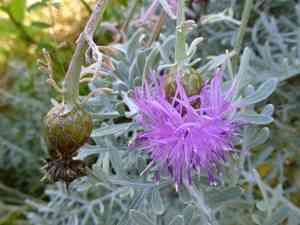


Quickly Identify Velvet centaurea
1
Gray-green leaves with a silver sheen, finely divided for delicate lace-like appearance.
2
Thistle-like flowers in light lavender or white, clustered heads with fringed outer florets.
3
Cylindrical achenes fruit, small and dry with roughened texture for efficient dispersal.
4
Simple lance-shaped leaves, 2-4 inches (5-10 cm) long, covered in matted hairs.
5
Foliage reflects moonlight, enhancing nighttime garden presence.
Scientific Classification of Velvet centaurea
Phylum
Vascular plants
Class
Dicotyledons
Order
Asterales
Family
Daisy
Genus
Centaury
Species
Velvet centaurea
Planting and Growing of Velvet centaurea
Care Difficulty
Easy
Watering Schedule
Every 3 days
Sunlight Requirements
Full sun
Sunshine Duration
6-12 hours
Ideal Temperature
60-75℉
Soil Type
Potting Mix, Peat Mix
Soil pH
6.5-7.5
Fertilizer Type
Balanced
Pruning Season
Spring, Summer
Pruning Area
Branches, Leaves
Pruning Frequency
2 times a year
Repotting Season
Spring
Pot Type
Plastic, Ceramic
 How to Water Velvet centaurea?
Centaurea cineraria loves to be watered thoroughly but dislikes being waterlogged. Pour about 250 ml of water each time, ensuring the soil is evenly moist but never too wet.
What are the symptoms of an underwatered Velvet centaurea?
›
What should I do if my Velvet centaurea is not getting enough water?
›
What are the symptoms of an overwatered Velvet centaurea?
›
How to save an overwatered Velvet centaurea?
›
 What Are the Sunlight Requirements for Velvet centaurea?
Half to full sun conditions are ideal for Centaurea cineraria. Adequate light ensures optimal photosynthesis, maintaining the plant’s health, and enhancing the texture and brilliance of the leaves.
More About Sunlight Requirements Techniques→
What is the best light for Centaurea cineraria?
›
How to ensure ideal sunlight exposure?
›
Benefits of ideal sunlight for the plant
›
 What Is the Ideal Temperature Range for Velvet centaurea?
The ideal temperature range for Centaurea cineraria is between 60 to 75°F. These conditions mimic its natural Mediterranean climate, providing optimal growth and vibrant foliage colors. Within this range, the plant can photosynthesize efficiently and maintain healthy metabolic processes.
 What Soil is Best for Velvet centaurea?
Centaurea cineraria thrives best in well-drained soils, preventing water logging and root rot. Fostering such conditions enhances plant growth and promotes vibrant foliage. A nutrient-rich soil plays a crucial role in supporting the vigorous growth of Centaurea cineraria. Its vitality and flower production improve markedly when the soil is fertile and abundant in essential nutrients. Incorporating organic matter like compost into the soil provides Centaurea cineraria with sustained nourishment and aids in moisture retention, ensuring its lush appearance and resilience during dry spells.
 How to Fertilize Velvet centaurea?
For Centaurea cineraria, it is important to use a balanced fertilizer with equal parts of nitrogen, phosphorus, and potassium. Typically, a 10-10-10 liquid fertilizer can be diluted to half strength. Apply approximately 1 cup per square foot to ensure even distribution and avoid burning the roots.
 How to Prune Velvet centaurea?
Regularly remove spent blooms to encourage continuous flowering. This process, called deadheading, involves cutting back the flower stems to the next lateral bud or stem junction. This not only prolongs the flowering season but also prevents the plant from spending energy on producing seeds. To maintain a compact shape, prune back any leggy or straggly stems. Cut these stems back to a lateral bud to ensure regrowth occurs in a bushier fashion. This promotes a fuller appearance and prevents the plant from becoming untidy.
More About Pruning Techniques→
 How to Propagate Velvet centaurea plant?
1
Begin by selecting fresh seeds. Fill a seed tray with a well-draining potting mix, then sow seeds lightly and cover with a thin layer of soil. Maintain even moisture.
2
Choose a healthy parent plant and use sharp pruners to cut 4-6 inch long stems. Remove the lower leaves and dip the cut ends in rooting hormone to promote root growth.
3
Carefully dig up mature plants and gently separate them into sections. Each section should have roots and shoots. Replant immediately for the best success rate.
 How to Repot Velvet centaurea plant?
1
Centaurea cineraria indicates it's time to repot when roots start circling the nursery pot or they protrude through the drainage holes. If water doesn't drain as usual, it may be time to shift to a new pot. Spring and autumn are preferred seasons, providing the plant with optimal conditions for recovery and growth, minimizing stress.
2
Select a pot that is only slightly larger than the current one, typically 1-2 inches wider in diameter. This prevents excessive soil moisture retention which could lead to root rot. Ensure that it has proper drainage holes, as this species prefers dry conditions, and reducing waterlogged soil promotes healthier root development.
3
Opt for a well-draining potting mix to best support Centaurea cineraria's requirements. A mixture containing a good amount of sand or perlite is beneficial, ensuring it mimics the plant's natural habitat. This kind of soil prevents waterlogging, allowing air to reach the roots, maintaining their health and vitality.



