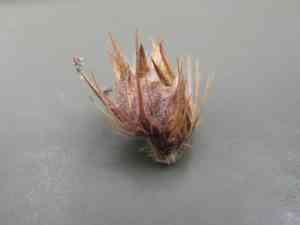
Buffelgrasses (Cenchrus) (Cenchrus)
Also known as: Kikuyu grasses, Sandburs
Buffelgrasses, members of the grass family known for their spiky, bur-like flower clusters, thrive in open and sandy areas and are often considered invasive outside their native regions. However, immature buffelgrass plants lack these burs, making them tender and suitable for animal forage.
In This Article
Attributes of Buffelgrasses (Cenchrus)
Lifespan
Perennial
Plant Height
60-120 cm
Spread
N/A
Leaf Color
Green
Flower Size
N/A
Flower Color
Yellowish-green
Images of Buffelgrasses (Cenchrus)
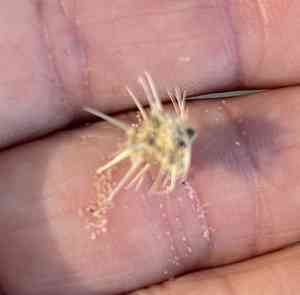
Quickly Identify Buffelgrasses (Cenchrus)
1
Cenchrus species are generally identified by their horny burs that detach easily and can cling to fur, fabric, or even skin, making them widely spread.
Scientific Classification of Buffelgrasses (Cenchrus)
Phylum
Magnoliophyta
Class
Liliopsida
Order
Poales
Family
Poaceae
Genus
Cenchrus
Planting and Growing of Buffelgrasses (Cenchrus)
Care Difficulty
Moderate
Watering Schedule
Every 8 days
Sunlight Requirements
Full sun
Sunshine Duration
6-10 hours
Ideal Temperature
60-77℉
Soil Type
Potting Mix, Peat Mix
Soil pH
6-8
Fertilizer Type
Balanced
Pruning Season
Spring, Summer
Pruning Area
Branches, Leaves
Pruning Frequency
2 times a year
Repotting Season
Spring
Pot Type
Plastic, Terracotta
 How to Water Buffelgrasses (Cenchrus)?
When watering Cenchrus, ensure the soil is evenly moist but not soaked. Use approximately 500 ml of water each time, allowing it to penetrate until the top inch of soil is visibly damp. Always avoid waterlogging as Cenchrus prefers well-drained conditions.
What are the symptoms of an underwatered Buffelgrasses (Cenchrus)?
›
What should I do if my Buffelgrasses (Cenchrus) is not getting enough water?
›
What are the symptoms of an overwatered Buffelgrasses (Cenchrus)?
›
How to save an overwatered Buffelgrasses (Cenchrus)?
›
 What Are the Sunlight Requirements for Buffelgrasses (Cenchrus)?
Cenchrus prefers an ideal range of full sun to partial sun, conducive to its growth cycle. Proper light availability promotes strong structural integrity and enhances seed quality.
What is the best lighting condition for Cenchrus?
›
How to ensure Cenchrus gets ideal light?
›
What benefits do ideal lighting conditions provide to Cenchrus?
›
 What Is the Ideal Temperature Range for Buffelgrasses (Cenchrus)?
For Cenchrus plants, the ideal temperature range is between 60°F and 77°F. This range provides optimal conditions for photosynthesis and growth, ensuring the plant can thrive with minimal stress.
 What Soil is Best for Buffelgrasses (Cenchrus)?
Cenchrus thrives best in well-draining soil, as it prevents waterlogging, which can lead to root rot. This is especially beneficial in reducing water retention in the root zone. A nutrient-rich medium is essential for Cenchrus as it supports robust growth and development. This ensures the grass gets ample nitrogen and other nutrients required for lush, vigorous growth. Cenchrus prefers a pH that ranges from slightly acidic to neutral, aiding in nutrient availability and uptake. This pH range optimizes the conditions for bacterial activity, which breaks down organic matter, releasing nutrients.
 How to Fertilize Buffelgrasses (Cenchrus)?
Cenchrus typically requires a moderate amount of fertilizer. For liquid fertilizers, use half the recommended strength on the label to avoid burning the roots. When using granular slow-release fertilizers, apply approximately 1 pound per 100 square feet. Always water the plant after fertilizing to help distribute the nutrients evenly.
 How to Prune Buffelgrasses (Cenchrus)?
Begin by thoroughly inspecting your Cenchrus plant. Identify any dead or discolored sections that may need to be removed. This initial step helps in understanding how much of the plant needs to be pruned and ensures that you target only the necessary parts. Use sharp, clean pruning shears to make precise cuts. Trim back any overgrown stems to maintain the plant's shape. Focus on cutting just above the leaf node to encourage new growth and ensure that the plant grows back fuller.
 How to Propagate Buffelgrasses (Cenchrus) plant?
1
Collect Cenchrus seeds from mature flowers once they are dry on the plant. The seeds should be brown and detach easily. Store them in a cool, dry place until you're ready to plant.
2
Fill a seed tray with a mix of potting soil and sand. Sow the Cenchrus seeds on the surface and lightly cover with a thin layer of soil. Ensure the tray is placed in a warm location with indirect sunlight to promote germination.
3
In early spring, dig up established Cenchrus clumps and gently separate them using a trowel. Replant the divisions at the same depth they were growing previously, water thoroughly to settle the soil.
 How to Repot Buffelgrasses (Cenchrus) plant?
1
Repot Cenchrus when you notice it’s root-bound or the roots are growing through drainage holes. If the plant is not thriving and the soil appears compacted or nutrients-depleted, it's time to consider repotting. Opt for a time when it's actively growing in spring or summer for best results.
2
Select a pot that is one size larger than the current one to allow root growth. Ensure it has adequate drainage holes to prevent waterlogging. A suitable pot enhances healthy root development by allowing excess water to escape, reducing the risk of root rot.
3
Use a well-draining, sandy soil to mimic its natural environment, reducing the risk of root rot. Such soil prevents over-retention of water and supplies essential nutrients, supporting optimal growth.
Toxicity
Ingestion
WARNING
The judgment on toxicity and danger is for reference only. We DO NOT GUARANTEE any accuracy of such judgment. Therefore, you SHALL NOT rely on such judgment. It is IMPORTANT TO SEEK PROFESSIONAL ADVICE in advance when necessary.

