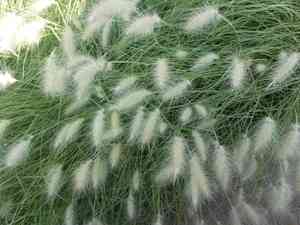
Kikuyu grass (Cenchrus clandestinus)
Also known as: Kikuyu grass, Kikuyu
Kikuyu grass (Cenchrus clandestinus) is originally from Africa, but it has spread to various parts of the world. It is considered invasive in many regions, including California, Hawaii, and Australia. Its aggressive growth can outcompete and suppress native plant species, leading to ecological challenges.
In This Article
Attributes of Kikuyu grass
Lifespan
Perennial
Plant Type
Grass
Plant Height
90 cm
Spread
Varies greatly as it spreads through stolons and rhizomes
Leaf Color
Bright green
Flower Size
1.5 mm to 2 mm
Flower Color
N/A, flowers are inconspicuous
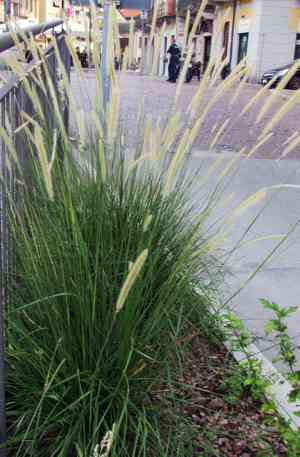
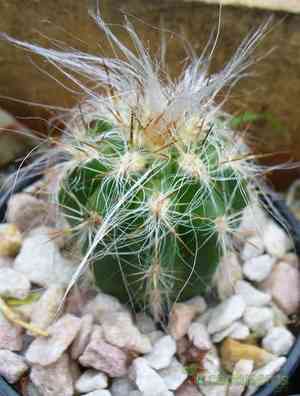
Images of Kikuyu grass
Quickly Identify Kikuyu grass
1
Kikuyu grass can be identified by its creeping stolons and rhizomes, which form a dense mat. The leaves are bright green, flat, and have a fine texture. The stems are hairy, and the ligule is a fringe of hairs.
Scientific Classification of Kikuyu grass
Phylum
Vascular plants
Class
Monocotyledons
Order
Poales
Family
Grass
Genus
Buffelgrasses
Species
Kikuyu grass
Planting and Growing of Kikuyu grass
Care Difficulty
Hard
Watering Schedule
Every 3 days
Sunlight Requirements
Full sun
Sunshine Duration
4-8 hours
Ideal Temperature
65-85℉
Soil Type
Potting Mix, Peat Mix
Soil pH
5.5-7.5
Fertilizer Type
Balanced
Pruning Season
Spring, Summer
Pruning Area
Branches, Leaves
Pruning Frequency
2 times a year
Repotting Season
Spring
Pot Type
Plastic, Ceramic
 How to Water Kikuyu grass?
The ideal watering amount for Cenchrus clandestinus is approximately 1000 ml per session. The goal is to ensure the soil remains consistently moist but not waterlogged. Water should penetrate deeply and reach the root zone, ensuring even distribution. Overwatering or letting the soil dry out completely can negatively impact the plant's health, so aim for an intermediate level of moisture.
What are the symptoms of an underwatered Kikuyu grass?
›
What should I do if my Kikuyu grass is not getting enough water?
›
What are the symptoms of an overwatered Kikuyu grass?
›
How to save an overwatered Kikuyu grass?
›
 What Are the Sunlight Requirements for Kikuyu grass?
Cenchrus clandestinus benefits from full to partial sun, receiving 6 to 8 hours of light daily. Ideal light conditions enhance growth, resulting in a resilient and dense lawn.
What is the ideal light condition for Cenchrus clandestinus?
›
How can one achieve the ideal lighting conditions for Cenchrus clandestinus?
›
What are the benefits of ideal lighting conditions for Cenchrus clandestinus?
›
 What Is the Ideal Temperature Range for Kikuyu grass?
Cenchrus clandestinus, also known as Kikuyu grass, thrives in warm climates and is ideally suited to temperatures between 65°F and 85°F. This range provides optimal conditions for growth, enabling the grass to maximize photosynthesis and maintain vibrant health. The ideal temperature ensures the grass can efficiently uptake nutrients from the soil and maintain a robust metabolism, crucial for its dense and lush appearance.
 What Soil is Best for Kikuyu grass?
Cenchrus clandestinus prefers well-drained soil, which helps prevent root rot and allows for better oxygen exchange, promoting healthier root development. This plant thrives in soil that retains some moisture, ensuring it remains hydrated between watering sessions. This helps sustain growth during dry spells. The presence of organic matter in the soil enhances nutrient availability, encouraging vigorous growth and enhancing the plant's overall health and resilience.
 How to Fertilize Kikuyu grass?
For Cenchrus clandestinus, the recommended fertilizer amount depends on the growth stage of the plant. Typically, apply a balanced liquid fertilizer (such as 10-10-10) mixed at half the strength suggested on the label. For solid or slow-release fertilizers, it is advisable to use around 2-3 pounds per 1000 square feet annually, especially in the early spring and early fall.
 How to Prune Kikuyu grass?
Start by gathering the appropriate tools, such as a sharp pair of pruning shears or a grass shear for larger areas. Ensure the tools are clean to prevent plant infection. Use a lawn mower set to a high setting for large areas requiring uniform trimming. Observe the plant closely to determine any overgrown or unhealthy sections. Focus on removing any discolored or damaged blades, as well as trimming back the outer edges to control the plant's spread. It's essential to maintain an even appearance across the entire area. Begin trimming from the outer edges, working your way inward. Follow the natural shape of the plant and be cautious not to cut too deeply into the foliage. This methodical approach maintains the plant's natural aesthetics while promoting even growth throughout.
 How to Propagate Kikuyu grass plant?
1
Select a healthy parent plant free from disease and pests. Ensure it is well-watered before beginning the propagation process to minimize stress on the plant.
2
Carefully dig around the base of the plant and gently lift it out. Use a sharp knife to divide the root clump into smaller sections, ensuring each section has healthy roots and shoots.
3
Plant the divided sections into prepared soil, ensuring the roots are well-covered and the plant is stable. Water thoroughly to help the roots settle into their new environment.
 How to Repot Kikuyu grass plant?
1
Cenchrus clandestinus shows signs of needing repotting when its roots begin to crowd and form a dense mat at the base, or when growth appears stunted despite appropriate care. Typically, doing this in Spring or Autumn allows the plant to recover and establish before the extremes of Summer or Winter.
2
Select a pot that is 1-2 inches larger in diameter than the previous one. Ensure it has ample drainage holes, facilitating efficient water drainage to prevent root rot. A pot that is slightly larger also allows for the plant’s growth without encouraging excessive root spread, which can destabilize the plant.
3
Opt for a rich, well-draining soil mix to support robust growth. A mixture with components like peat, sand, and loam is excellent, as it balances retention and drainage. A well-composed mix provides essential nutrients, enhances root breathability, and prevents water logging.
Toxicity
Ingestion
WARNING
The judgment on toxicity and danger is for reference only. We DO NOT GUARANTEE any accuracy of such judgment. Therefore, you SHALL NOT rely on such judgment. It is IMPORTANT TO SEEK PROFESSIONAL ADVICE in advance when necessary.

