Hackberries (Celtis) (Celtis)
Also known as: Hackberry, Nettle Tree
Hackberry trees (Celtis spp.) are known for their resilience and versatility, making them valuable in various settings. Here are some key points about their uses and characteristics:
### Uses:
1. **Urban Shade**: Commonly planted in urban areas for their broad canopy that provides ample shade.
2. **Wildlife Support**: Their berries and foliage offer food and habitat for birds and small mammals.
3. **Erosion Prevention**: Their extensive root systems help stabilize soil and prevent erosion.
4. **Wood Products**: The wood is utilized in making furniture and flooring.
5. **Ornamental Value**: Often used in landscaping for their durability and aesthetic appeal.
### Characteristics:
1. **Drought Tolerance**: Many species can withstand dry conditions.
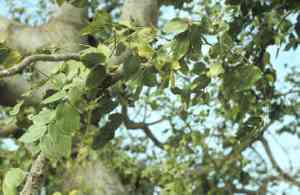
2. **Bark**: Recognizable by its unique, warty, and rough texture.
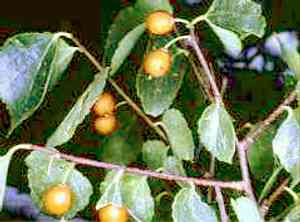
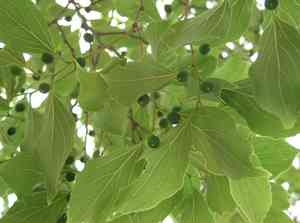
3. **Fruit**: Produces small, pea-sized drupes that mature from green to purple.
4. **Growth**: Typically fast-growing, reaching heights of 40-60 feet.
5. **Leaves**: Simple, alternate leaves with serrated edges and an asymmetrical base. They are a key food source for caterpillars.
6. **Flowers**: Bloom in early spring, adding to their ornamental appeal.
Hackberry trees are appreciated for their adaptability and ecological benefits, making them a popular choice for various applications.
Attributes of Hackberries (Celtis)
Images of Hackberries (Celtis)
 How to Water Hackberries (Celtis)?
  What Are the Sunlight Requirements for Hackberries (Celtis)?
  What Is the Ideal Temperature Range for Hackberries (Celtis)?
  What Soil is Best for Hackberries (Celtis)?
  How to Fertilize Hackberries (Celtis)?
  How to Prune Hackberries (Celtis)?
  How to Propagate Hackberries (Celtis) plant?
 How to Repot Hackberries (Celtis) plant?

