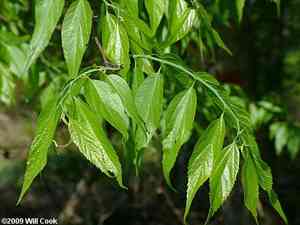
Sugarberry (Celtis laevigata)
Also known as: Netleaf hackberry, Southern hackberry
The tree you're referring to is Celtis laevigata, commonly known as sugarberry. This medium-sized deciduous tree is native to North America and typically grows in floodplains and along rivers and streams. Its fruits and leaves provide essential food for a variety of birds, small mammals, and insects, playing a crucial role in the ecosystem.
In This Article
Attributes of Sugarberry
Lifespan
Perennial
Plant Type
Tree
Plant Height
18 m to 24 m
Spread
15 m to 18 m
Leaf Color
Green
Flower Size
2.5 cm
Flower Color
White Green Yellow
Images of Sugarberry
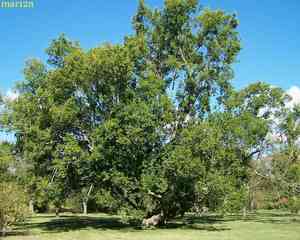
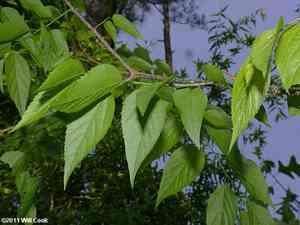
Quickly Identify Sugarberry
1
Distinctive warty bark texture lasting into winter months.
2
Ovate to oblong-lanceolate leaves, 2-4 inches long, glossy to dull green.
3
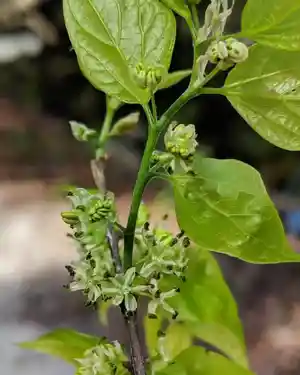
Small greenish flowers in April and May, up to 0.2 inches across.
4
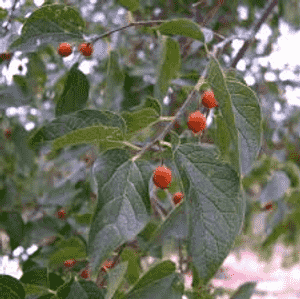
Deep purple drupe fruit, 0.25-0.5 inches in diameter, sweet flesh.
5
Slender twigs with smooth texture, small lenticels, and alternate branching.
Scientific Classification of Sugarberry
Phylum
Vascular plants
Class
Dicotyledons
Order
Rosales
Family
Hemp
Genus
Hackberries
Species
Sugarberry
Planting and Growing of Sugarberry
Care Difficulty
Easy
Watering Schedule
Every 2 days
Sunlight Requirements
Full sun
Sunshine Duration
4-8 hours
Ideal Temperature
65-80℉
Soil Type
Potting Mix, Peat Mix
Soil pH
6.5-7.5
Fertilizer Type
Balanced
Pruning Season
Spring, Summer
Pruning Area
Branches, Leaves
Pruning Frequency
2 times a year
Repotting Season
Spring
Pot Type
Plastic, Ceramic
 How to Water Sugarberry?
Celtis laevigata, commonly known as the sugar hackberry, requires moderate watering. Ensure each watering session provides approximately 500 milliliters to allow moisture to reach deep into the soil without oversaturating.
More About Watering Techniques→
What are the symptoms of an underwatered Sugarberry?
›
What should I do if my Sugarberry is not getting enough water?
›
What are the symptoms of an overwatered Sugarberry?
›
How to save an overwatered Sugarberry?
›
 What Are the Sunlight Requirements for Sugarberry?
Celtis laevigata ideally sits in areas receiving full to partial sun, as consistent light exposure maximizes growth and foliage density, making it vibrant and healthy. Such conditions are pivotal for its prosperity.
More About Sunlight Requirements Techniques→
What is the ideal lighting for Celtis laevigata?
›
How to achieve ideal lighting conditions for Celtis laevigata?
›
What benefits does ideal lighting bring to Celtis laevigata?
›
 What Is the Ideal Temperature Range for Sugarberry?
Celtis laevigata thrives best in temperatures ranging from 65 to 80 degrees Fahrenheit. This range ensures optimal physiological functions, including photosynthesis and nutrient uptake, providing the best growth conditions for the plant.
 What Soil is Best for Sugarberry?
Celtis laevigata thrives in soil types that provide excellent drainage. Ensuring proper drainage prevents waterlogging, which can lead to root rot and other diseases. Well-drained soil supports healthy root spread and ensures the plant can access oxygen effectively. This plant benefits from a soil rich in essential nutrients such as nitrogen, phosphorus, and potassium. A nutrient-rich soil enhances growth, foliage development, and fruit production, making it vital for the plant's overall health and robustness. While drainage is crucial, Celtis laevigata also appreciates soil that can retain an adequate amount of moisture without becoming soggy. This balances out hydration levels, particularly during dry spells, ensuring the plant's roots remain healthy.
More About Soil→
 How to Fertilize Sugarberry?
For Celtis laevigata, apply a balanced fertilizer with a formula like 10-10-10 or 20-20-20. Use about 1 pound per inch of trunk diameter for mature trees. Adjust the amount suitable for the plant size, ensuring even distribution around the root zone without over-fertilizing.
More About Fertilizing Techniques→
 How to Prune Sugarberry?
Begin by evaluating the tree's overall shape and health. This helps in planning which branches need removal or trimming. When cutting branches, angle the cut slightly to match the growth direction, which promotes healing and prevents water from accumulating on cuts. After pruning, ensure the tree receives enough water and nutrients to recover. Apply mulch to retain moisture and protect the roots.
More About Pruning Techniques→
 How to Propagate Sugarberry plant?
1
Celtis laevigata seeds should be soaked in water for 24 hours before planting to soften the seed coat. This step enhances germination rates by allowing moisture to penetrate the hard outer cover of the seed more effectively.
2
Select healthy, disease-free stems for cuttings, preferably with several nodes. The ideal length is about 6 to 8 inches. Take the cuttings early in the morning when the plant is turgid and hydrate, ensuring they retain maximum vigor.
3
Plant the seeds or cuttings in a well-draining, nutrient-rich soil mix. Bury the seeds just below the surface and insert the cuttings into the soil, ensuring at least two nodes are covered to promote root development.
 How to Repot Sugarberry plant?
1
Celtis laevigata typically requires repotting when it outgrows its current pot, indicated by roots growing through drainage holes or stunted growth. The best time to repot is during active growth in spring or summer, as the plant can quickly establish in new soil.
2
Select a pot that is slightly larger than the current one, with ample drainage holes. This ensures proper root expansion without excess soil retaining too much moisture, which could lead to root rot. A ceramic or terracotta pot can also help in maintaining breathable conditions.
3
Opt for well-draining, loamy soil mixed with some organic matter, like compost. This type of soil ensures good aeration and nutrient availability, preventing waterlogging and promoting healthy root development.



