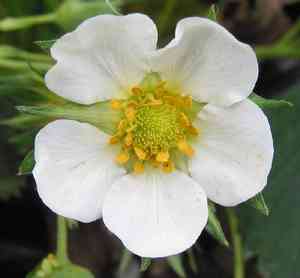
Biond's hackberry (Celtis biondii)
Also known as: None
Biond's hackberry is a resilient deciduous tree known for its adaptability to urban environments. It features a sturdy structure and can thrive in a range of soil types. Its rough-textured bark and finely toothed leaves set it apart. The tree's ability to endure pollution and confined spaces highlights its robustness. It produces small, subtle flowers that give way to round fruits, which are attractive to birds and promote ecological interactions.
In This Article
Attributes of Biond's hackberry
Lifespan
Perennial
Plant Type
Tree
Plant Height
18 m
Spread
1.5 m to 2 m
Leaf Color
Green
Flower Size
1 cm to 2 cm
Flower Color
Green
Images of Biond's hackberry
Quickly Identify Biond's hackberry
1
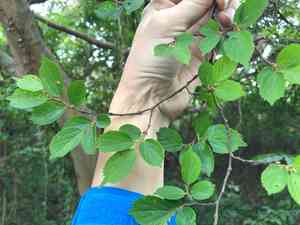
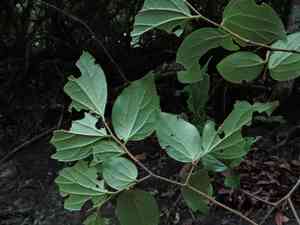
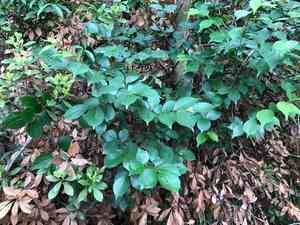
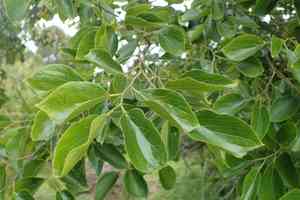
Celtis biondii can be identified by its broad, ovate leaves that have serrated edges and a pointed tip. The bark typically has a rough texture with corky, warty growths.
Scientific Classification of Biond's hackberry
Phylum
Vascular plants
Class
Dicotyledons
Order
Roses, elms, figs, and allies
Family
Hemp
Genus
Hackberries
Species
Biond's hackberry
Planting and Growing of Biond's hackberry
Care Difficulty
Easy
Watering Schedule
Every 3 days
Sunlight Requirements
Partial sun
Sunshine Duration
4-6 hours
Ideal Temperature
60-75℉
Soil Type
Potting Mix, Peat Mix
Soil pH
6.5-7.5
Fertilizer Type
Balanced
Pruning Season
Spring, Summer
Pruning Area
Branches, Leaves
Pruning Frequency
2 times a year
Repotting Season
Spring
Pot Type
Plastic, Ceramic
 How to Water Biond's hackberry?
When watering Celtis biondii, aim to thoroughly moisten the soil, providing around 500 milliliters each time. This ensures that the roots receive adequate moisture without waterlogging. The goal is to achieve deep watering that reaches the root zone, promoting healthy growth. Always allow the top inch of soil to dry between waterings to prevent root rot.
What are the symptoms of an underwatered Biond's hackberry?
›
What should I do if my Biond's hackberry is not getting enough water?
›
What are the symptoms of an overwatered Biond's hackberry?
›
How to save an overwatered Biond's hackberry?
›
 What Are the Sunlight Requirements for Biond's hackberry?
Celtis biondii flourishes in partial sun conditions, benefiting from moderate light exposure. This supports vital processes like photosynthesis and boosts overall resilience and aesthetics.
How much light does Celtis biondii need?
›
How to achieve ideal lighting conditions?
›
What are the benefits of ideal lighting?
›
 What Is the Ideal Temperature Range for Biond's hackberry?
The ideal temperature for growing Celtis biondii is between 60°F and 75°F. This range ensures the plant maintains optimal growth and photosynthesis rates. At these temperatures, the plant is less susceptible to stress and disease. It promotes healthy leaf and root development, facilitating the plant's ability to thrive in its environment.
 What Soil is Best for Biond's hackberry?
Celtis biondii thrives best in soil that has good moisture retention capacity. This quality helps to ensure that the plant receives a consistent water supply, which is crucial during dry spells. A well-moisturized soil will sustain the plant's health and enable it to grow lush and robust. Rich in nutrients, the soil selected for Celtis biondii should provide necessary minerals and vitamins. These nutrients aid in strong root development and vibrant foliage, allowing the plant to not only survive but to thrive in its environment. Optimal growth of Celtis biondii is achieved in soils that offer excellent drainage. This characteristic prevents waterlogging, reducing the risk of root rot and promoting a healthy root system that supports the plant's overall wellbeing.
 How to Fertilize Biond's hackberry?
For Celtis biondii, it is crucial to apply fertilizers in moderation. For liquid fertilizers, use approximately 1 to 2 tablespoons per gallon of water. For slow-release fertilizers, apply around 1 to 1.5 pounds per 100 square feet, ensuring even distribution.
 How to Prune Biond's hackberry?
Always use sanitized, sharp tools to avoid transferring diseases and making uneven cuts that could harm the plant. Dull tools can cause unnecessary damage, inviting infection and decay. Understand the natural growth pattern of Celtis biondii. Maintain central leader dominance when applicable and ensure lateral branches are appropriately spaced to prevent overcrowding. Be cautious not to remove more than a third of the plant’s growth in one session. Excessive pruning can stress the plant and reduce its ability to photosynthesize adequately, impacting overall health.
More About Pruning Techniques→
 How to Propagate Biond's hackberry plant?
1
Start by selecting mature seeds or healthy stems from the parent plant. This ensures that the propagules have the genetic vigor needed for successful growth and development.
2
For seeds, use a well-draining soil mix. For cuttings, use a mix of peat and perlite. This provides the necessary nutrients and prevents waterlogged conditions that could hinder growth.
3
Plant seeds at a depth of about twice their width, or insert cuttings into the prepared substrate. Ensure that cuttings have at least one leaf node buried under the medium for optimal root development.
 How to Repot Biond's hackberry plant?
1
Celtis biondii should be repotted when you notice roots growing out of the drainage holes or circling the root ball tightly. Another signal is when the soil dries out very quickly after watering. Additionally, repotting is advisable if the plant's growth seems stunted or the foliage appears less vibrant.
2
Select a pot that is one to two inches larger in diameter than the current one, preferably made of clay or ceramic for better moisture regulation. The additional space allows the roots to spread more comfortably, promoting healthier growth. Ensure it has sufficient drainage holes to prevent root rot.
3
Opt for a well-draining potting mix, augmented with perlite or sand to improve aeration. This type of soil prevents waterlogging and encourages strong root development. The mixture also provides a balance of retaining enough moisture while allowing excess water to run off.



