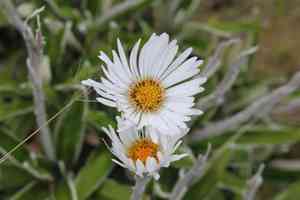
Cotton plant (Celmisia spectabilis)
Also known as: Mountain daisy
The bases of the leaves overlap, creating a sturdy pseudostem. Flower stems grow up to 30 cm in height and are thickly coated with white hairs. Each stem ends in a striking, solitary flower head that measures between 3 to 5 cm in diameter. The flower features many white ray florets surrounding yellow disc florets.
In This Article
Attributes of Cotton plant
Lifespan
Perennial
Plant Type
Herb
Plant Height
30 to 60 cm
Spread
40 to 60 cm
Leaf Color
Silver-green
Flower Size
5 to 8 cm
Flower Color
White
Images of Cotton plant
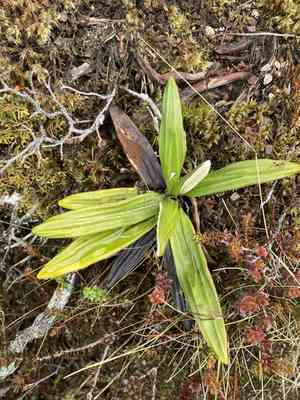
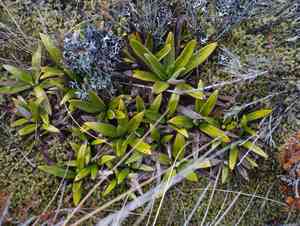
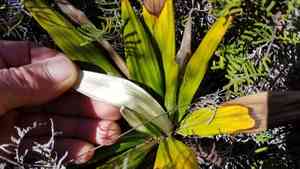
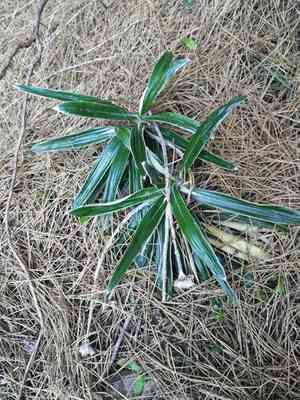
Quickly Identify Cotton plant
1
Look for silvery-green leaves that are long and narrow with a velvety underside. The flowers are daisy-like with white petals and a yellow center. This plant typically grows in clumps.
Scientific Classification of Cotton plant
Phylum
Vascular plants
Class
Dicotyledons
Order
Asterales
Family
Daisy
Genus
Mountain daisy
Species
Cotton plant
Planting and Growing of Cotton plant
Care Difficulty
Hard
Watering Schedule
Every 3 days
Sunlight Requirements
Full sun
Sunshine Duration
4-8 hours
Ideal Temperature
60-70℉
Soil Type
Potting Mix, Peat Mix
Soil pH
6.5-7.5
Fertilizer Type
Balanced
Pruning Season
Spring, Summer
Pruning Area
Branches, Leaves
Pruning Frequency
2 times a year
Repotting Season
Spring
Pot Type
Plastic, Ceramic
 How to Water Cotton plant?
For Celmisia spectabilis, each watering should be approximately 250 ml. This amount ensures the moisture reaches deep into the root zone without leaving the soil excessively soggy. It is vital to water until you see moisture dripping slightly from the bottom of the pot, which indicates thorough penetration.
What are the symptoms of an underwatered Cotton plant?
›
What should I do if my Cotton plant is not getting enough water?
›
What are the symptoms of an overwatered Cotton plant?
›
How to save an overwatered Cotton plant?
›
 What Are the Sunlight Requirements for Cotton plant?
Celmisia spectabilis ideally needs partial to full sun exposure, enhancing bloom vibrancy and promoting robust growth patterns.
More About Sunlight Requirements Techniques→
How to Ensure Ideal Light
›
Steps for Proper Sunlight Management
›
Benefits of Sufficient Light
›
 What Is the Ideal Temperature Range for Cotton plant?
Celmisia spectabilis thrives best within a temperature range of 60 to 70 degrees Fahrenheit. This range ensures optimal growth and flowering, mimicking the cool yet stable temperatures in its native alpine environment.
 What Soil is Best for Cotton plant?
Celmisia spectabilis thrives in nutrient-rich soils which support its robust growth and vibrant foliage. Ensuring a well-fertilized soil composition can enhance blooming and overall plant health. To prevent root rot and other moisture-related issues, this plant requires soil that drains exceptionally well. Ample drainage maintains a healthy root environment, crucial for the plant's long-term survival. Incorporating organic matter into the soil benefits Celmisia spectabilis by improving aeration and nutrient availability. This helps in sustaining vigorous growth and flowering cycles.
 How to Fertilize Cotton plant?
For Celmisia spectabilis, a thoughtful application of nutrients is essential. Liquid fertilizer should be measured cautiously, around 1/4 teaspoon per gallon of water, ensuring the plants receive adequate nourishment without overwhelming them.
 How to Prune Cotton plant?
Begin by examining the plant for dead or damaged leaves. Use clean, sharp pruning shears to trim back these parts. Cut at a slight angle, just above a node or leaf pair. Trim lightly around the perimeter to maintain its shape. To encourage bushier growth, make your cuts just above outward-facing leaves or buds. This strategic pruning encourages the plant to spread wider rather than taller, making it robust.
More About Pruning Techniques→
 How to Propagate Cotton plant plant?
1
Harvest seeds from mature plants, ensuring they are fully developed and healthy. Clean off any plant material and allow them to dry in a paper bag for a few weeks before storing or sowing.
2
Select a healthy stem, cut just below a node, and remove the lower leaves. This will help in directing energy towards root production when the cutting is placed in the soil or water.
3
Gently dig up the plant and separate the root mass into smaller sections. Ensure each division has roots and shoots, and immediately replant in a suitable growing medium.
 How to Repot Cotton plant plant?
1
Repotting signals include roots growing out of the drainage holes and a slowed growth rate despite optimal care. Spring and autumn are preferred seasons due to milder temperatures which reduce transplant shock.
2
Choose a pot that is 1-2 inches larger in diameter than the current one. This size allows for root expansion without risking overwatering, ensuring healthy growth and preventing root rot.
3
Opt for a well-draining gritty mix to mimic its natural alpine environment. This prevents waterlogging, ensures good aeration, and facilitates nutrient uptake, crucial for its healthy development.
Learn More About Cotton plant Diseases
Anthracnose
Bacterial Leaf Spot
Bacterial Soft Rot
Chemical Injury
Damping-off
Downy Mildew
Drought Stress
Fusarium Wilt
Gray Mold
Leaf Spot
Mosaic
Nutrient Deficiency
Nutrient Toxicity
Powdery Mildew
Root Rot
Root-knot Nematode
Rusts
Sooty Mold
Spider Mites
Temperature Stress
Thrips Damage
White Mold



