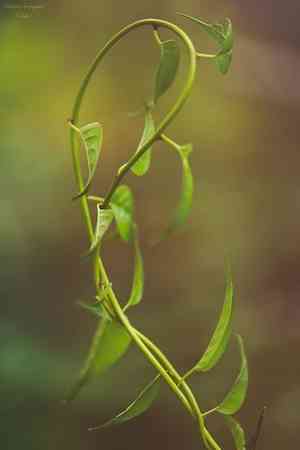
Staff vines (Celastrus) (Celastrus)
Also known as: Staff trees
Staff vines, part of the Celastrus genus, are characterized by their twining woody stems, small greenish, white, or pink flowers, and distinctive berries that open into three sections to reveal seeds. While some species are grown for ornamental purposes, others are invasive and can overtake native vegetation. The term "bittersweet" is commonly used for these plants because early American colonists confused them with nightshade (Solanum dulcamara), which was also referred to as 'bittersweet.'
In This Article
Attributes of Staff vines (Celastrus)
Lifespan
Perennial
Plant Height
8-20 meters
Spread
2-4 meters
Leaf Color
Green
Flower Size
4-5 mm
Flower Color
White Yellow Green
Images of Staff vines (Celastrus)

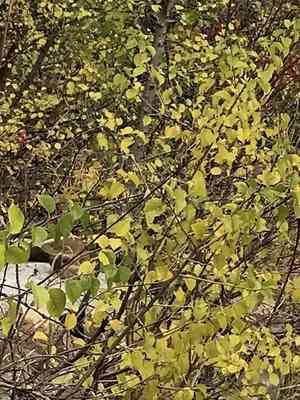
Quickly Identify Staff vines (Celastrus)
1
Look for vines with alternate, simple leaves, and twining stems. The fruits are typically capsules that split open to reveal seeds with a bright aril.
Scientific Classification of Staff vines (Celastrus)
Phylum
Magnoliophyta
Class
Magnoliopsida
Order
Celastrales
Family
Celastraceae
Genus
Celastrus
Planting and Growing of Staff vines (Celastrus)
Care Difficulty
Moderate
Watering Schedule
Every 2 days
Sunlight Requirements
Partial sun
Sunshine Duration
6-10 hours
Ideal Temperature
60-75℉
Soil Type
Potting Mix, Peat Mix
Soil pH
6-7.5
Fertilizer Type
Balanced
Pruning Season
Spring, Summer
Pruning Area
Branches, Leaves
Pruning Frequency
2 times a year
Repotting Season
Spring
Pot Type
Plastic, Ceramic
 How to Water Staff vines (Celastrus)?
When watering Celastrus, it's crucial to provide enough water to moisten the top several inches of soil without leaving it soggy. This means watering deeply but infrequently, allowing the soil to dry out between waterings to prevent root rot.
What are the symptoms of an underwatered Staff vines (Celastrus)?
›
What should I do if my Staff vines (Celastrus) is not getting enough water?
›
What are the symptoms of an overwatered Staff vines (Celastrus)?
›
How to save an overwatered Staff vines (Celastrus)?
›
 What Are the Sunlight Requirements for Staff vines (Celastrus)?
Celastrus prefers partial to full sun, with an ideal light exposure ranging between 4-8 hours. This range supports healthy growth, vibrant blooms, and strong structural development.
What is the best sunlight condition?
›
How can one achieve the ideal sunlight exposure for Celastrus?
›
What are the benefits of proper sunlight for Celastrus?
›
 What Is the Ideal Temperature Range for Staff vines (Celastrus)?
The ideal temperature conditions for cultivating Celastrus lie between 60°F and 75°F. In this range, the metabolic processes of the plant function optimally, promoting healthy growth and vibrant foliage. Temperatures within this range provide a balanced environment for root development and nutrient absorption, ensuring the overall health of the plant.
 What Soil is Best for Staff vines (Celastrus)?
Celastrus thrives in well-drained soils, which prevent waterlogging and root rot. This improves root health and nutrient uptake, supporting vigorous growth and vibrant foliage. Moderately fertile soil ensures that Celastrus receives adequate nutrients without overwhelming its natural growth cycle. This balance promotes steady growth and robust plant health. Celastrus requires soils that can retain moisture without becoming soggy. This facilitates consistent hydration, ensuring the plant receives the water it needs during dry spells without stress.
 How to Fertilize Staff vines (Celastrus)?
The amount of fertilizer for Celastrus should be moderate. When using liquid fertilizer, dilute it to half the recommended strength and apply during the growing season. For slow-release fertilizer, use about one tablespoon per plant, distributing it evenly around the base.
 How to Prune Staff vines (Celastrus)?
Begin pruning your Celastrus by sterilizing your tools to prevent disease spread. Remove any dead or diseased vines first. Trim back overly long branches to encourage bushier growth. Make your cuts just above a bud or leaf node to encourage the best new growth. Shape the plant to maintain its desired form, whether you're aiming for a more controlled display or allowing it to sprawl in a specific area. If your Celastrus has been neglected and grown out of control, take a more aggressive approach by cutting back to the main structure of the plant. This pruning rejuvenates the plant and helps manage its size. However, avoid removing more than one-third of the plant at one time to prevent stress. Follow up with more frequent maintenance pruning to keep it in check.
 How to Propagate Staff vines (Celastrus) plant?
1
Collect healthy seeds from matured Celastrus plants during the autumn. Ensure the seeds are from a reliable source to increase germination success rates.
2
Select a healthy stem of Celastrus and make a clean cut with pruning shears. Remove leaves from the bottom half to reduce moisture loss and prepare for rooting.
3
Choose a flexible stem and bend it to the ground. Partially bury it in the soil while ensuring the tip remains above ground to encourage root formation.
 How to Repot Staff vines (Celastrus) plant?
1
The ideal time to repot Celastrus is when you notice the plant's growth slowing down despite proper care, or when roots begin poking through the drainage holes. These are signs that the current pot is becoming too snug for the plant’s development.
2
Select a pot that's one size larger than the current one with excellent drainage holes. This ensures adequate space for root expansion and prevents water from stagnating, thus reducing the risk of root rot.
3
Opt for a well-draining, rich loam soil mixed with organic matter to provide necessary nutrients. This type of soil ensures good water retention while maintaining air circulation, promoting healthy root growth.
Toxicity
Ingestion
WARNING
The judgment on toxicity and danger is for reference only. We DO NOT GUARANTEE any accuracy of such judgment. Therefore, you SHALL NOT rely on such judgment. It is IMPORTANT TO SEEK PROFESSIONAL ADVICE in advance when necessary.

