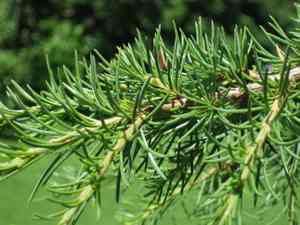
Cedar of lebanon (Cedrus libani)
Also known as: Turkish cedar
The Cedar of Lebanon (Cedrus libani) is an evergreen conifer that typically reaches a height of 12 to 21 meters (40 to 70 feet) when mature. Native to the mountains of Lebanon, this tree has earned the Award of Garden Merit from the Royal Horticultural Society. It is known for its slow growth rate, often only reaching about 6 meters (20 feet) in its first 20 years. For optimal growth, it requires full sunlight and prefers well-drained, slightly acidic soil.
Attributes of Cedar of lebanon
Images of Cedar of lebanon
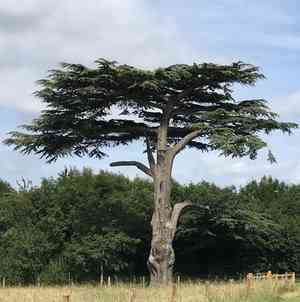


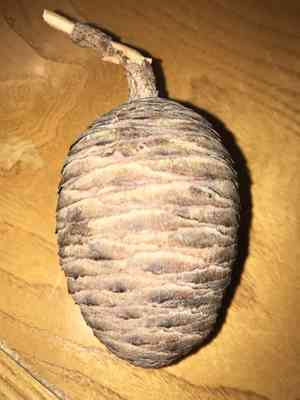
Quickly Identify Cedar of lebanon
Scientific Classification of Cedar of lebanon
Planting and Growing of Cedar of lebanon
 How to Water Cedar of lebanon?
 What Are the Sunlight Requirements for Cedar of lebanon?
 What Is the Ideal Temperature Range for Cedar of lebanon?
 What Soil is Best for Cedar of lebanon?
 How to Fertilize Cedar of lebanon?
 How to Prune Cedar of lebanon?
 How to Propagate Cedar of lebanon plant?
 How to Repot Cedar of lebanon plant?
Toxicity of Cedar of lebanon
Is Cedar of lebanon toxic to humans?
The Cedar of Lebanon presents a minor toxicity risk to humans, mainly through direct contact or unintentional ingestion. The entire plant is deemed toxic and can induce allergic responses. Upon contact, individuals may suffer from skin irritation or allergic dermatitis. If consumed, the plant may result in gastrointestinal distress, revealing symptoms such as nausea, vomiting, and abdominal pain. The mild toxicity of the Cedar of Lebanon indicates that although symptoms can be unpleasant, they are usually not life-threatening. Caution should be exercised to prevent accidental ingestion, particularly by children who might be attracted to the plant's appealing appearance, and it is advisable to wear protective gloves when handling the plant to avert skin reactions.
Is Cedar of lebanon toxic to cat?
The Cedar of Lebanon presents a moderate toxicity risk to felines. Cats can become exposed through direct contact or accidental ingestion. All parts of this plant are toxic, indicating that even brief contact may result in poisoning. Following exposure to the Cedar of Lebanon, cats may show symptoms of discomfort or sickness. To safeguard their well-being, any suspicion of poisoning by this plant must be regarded as an urgent situation. Pet owners should swiftly obtain professional assistance at a veterinary clinic if they notice any changes in their cat's health after coming into contact with the plant.
Is Cedar of lebanon toxic to dog?
The cedar of Lebanon plant species is recognized as having a moderate toxicity level for dogs. Dogs may experience poisoning from the cedar of Lebanon through direct contact or inadvertent ingestion. When in contact with the entirety of the plant, which contains toxic properties, dogs may display a range of symptoms that signify poisoning. These symptoms can vary in severity, potentially leading to gastrointestinal disturbances, skin irritation, or even more serious systemic reactions. It is essential for dog owners to remain alert and to prevent their pets from interacting with or consuming any portion of the cedar of Lebanon. If there is a suspicion that a dog has been poisoned by this plant, it is vital to pursue immediate veterinary assistance to ensure the best possible health outcome for the animal.



