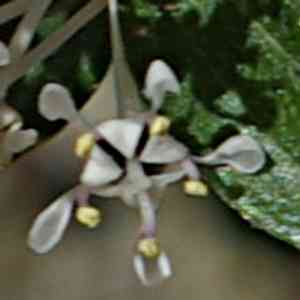
Redroots (Ceanothus) (Ceanothus)
Also known as: California Lilac, Wild Lilac
Redroots, also known as Amaranthus retroflexus, are often found in gardens and wild areas. They require specific conditions for germination:
1. **Temperature**: Soil temperatures should be warm, ideally between 20-30°C (68-86°F).
2. **Moisture**: The seeds need consistent moisture, but the soil must be well-drained to avoid waterlogging.
3. **Light**: Light exposure can boost germination rates, but partial shade can also be suitable.
4. **Soil**: A loose, well-aerated soil with a neutral to slightly alkaline pH is optimal.
These conditions help ensure that Redroots seeds germinate successfully.
In This Article
Attributes of Redroots (Ceanothus)
Lifespan
Perennial
Plant Height
5 m
Spread
7 m
Leaf Color
Dark green, glossy
Flower Size
1 to 1.5 cm
Flower Color
Blue, white, sometimes pink
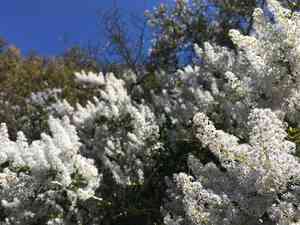
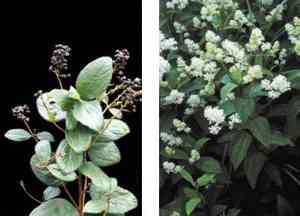
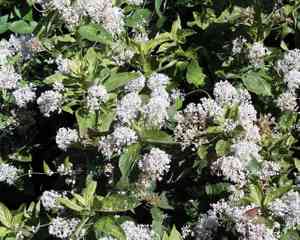
Images of Redroots (Ceanothus)
Quickly Identify Redroots (Ceanothus)
1
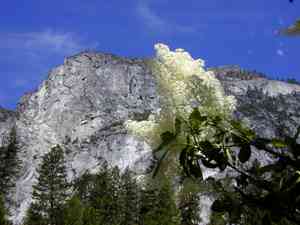
Ceanothus can be identified by their glossy, dark green leaves and clusters of small, usually blue or white flowers. The leaves are typically 1–5 cm long, and the flowers form dense spherical or elongated clusters.
Scientific Classification of Redroots (Ceanothus)
Phylum
Magnoliophyta
Class
Magnoliopsida
Order
Rosales
Family
Rhamnaceae
Genus
Ceanothus
Planting and Growing of Redroots (Ceanothus)
Care Difficulty
Moderate
Watering Schedule
Every 2 days
Sunlight Requirements
Full sun
Sunshine Duration
4-6 hours
Ideal Temperature
60-75℉
Soil Type
Potting Mix, Peat Mix
Soil pH
6-8
Fertilizer Type
Balanced
Pruning Season
Spring, Summer
Pruning Area
Branches, Leaves
Pruning Frequency
2 times a year
Repotting Season
Spring
Pot Type
Plastic, Ceramic
 How to Water Redroots (Ceanothus)?
Ceanothus, also known as California Lilac, prefers moderate watering. It's essential to maintain slightly moist but not soggy soil. Make sure to water the plant until you notice it seeping through the drainage holes, approximately 500ml each time, ensuring the roots are adequately hydrated without waterlogging.
What are the symptoms of an underwatered Redroots (Ceanothus)?
›
What should I do if my Redroots (Ceanothus) is not getting enough water?
›
What are the symptoms of an overwatered Redroots (Ceanothus)?
›
How to save an overwatered Redroots (Ceanothus)?
›
 What Are the Sunlight Requirements for Redroots (Ceanothus)?
Ceanothus thrives best in full to partial sun, capitalizing on 4 to 8 hours of light. Optimal light encourages full bloom, robust foliage, and resistance to typical pests.
What is the best time to provide sunlight for Ceanothus?
›
How to create an ideal lighting situation for Ceanothus in a garden?
›
What are the benefits of Ceanothus receiving ideal lighting?
›
 What Is the Ideal Temperature Range for Redroots (Ceanothus)?
Ceanothus thrives best in temperatures ranging from 60°F to 75°F. This range provides adequate warmth to support their metabolic processes, such as photosynthesis and respiration, without the risk of overheating. This temperature ensures optimal growth and flowering, making it critical to maintain these conditions especially during the blooming season.
 What Soil is Best for Redroots (Ceanothus)?
Ceanothus requires soil that provides excellent drainage to prevent root rot. Well-drained soil helps the roots receive oxygen, which is vital for their healthy growth, and prevents waterlogging that can lead to plant stress. These plants do best in soil that has moderate fertility. They thrive in nutrient balances where there's not too much nitrogen, allowing for lush foliage without hindering flower production. Ceanothus prefers soil that is not too compacted. This means the roots can spread easily, which is crucial for establishing a strong, healthy plant that can endure various weather conditions.
 How to Fertilize Redroots (Ceanothus)?
Ceanothus plants generally thrive on minimal fertilization. Over-fertilizing can lead to lush green growth but poor flower production. During the growing season, apply a very light amount of balanced fertilizer, about one-quarter of the recommended dose, to prevent overfeeding.
 How to Prune Redroots (Ceanothus)?
Prune in early spring before new growth begins. Focus on removing dead, damaged, or diseased wood. Trim the canopy lightly to shape the plant and encourage bushy growth. Cut back stems grown from last year to keep the shrub compact. In autumn, perform a light pruning to shape the shrub before winter sets in. Remove any unruly branches and ensure that the bush maintains a balanced structure. Avoid heavy pruning during this time to protect the plant during the colder months.
 How to Propagate Redroots (Ceanothus) plant?
1
Begin by collecting seeds from mature Ceanothus plants, ensuring they are fully ripe. Scarify the seeds gently to break dormancy and improve germination rates. Sow them in a seed tray filled with well-draining soil. Keep the soil consistently moist but not waterlogged until germination occurs.
2
Select healthy, non-flowering stems from the parent plant for cuttings. Cut sections about 6 inches long, just below a node. Remove the leaves from the lower half of the cutting, dip the cut end in rooting hormone, and plant it in a pot with sandy or perlite-rich soil.
3
To propagate via layering, select a healthy branch that is low to the ground. Bend it gently and cover a part of the stem with soil while leaving the tip exposed. Secure it with a stake or a stone to maintain contact with the soil. Roots should develop in a few months, after which it can be severed from the parent plant.
 How to Repot Redroots (Ceanothus) plant?
1
Ceanothus signals the need for repotting when you notice slow growth, poor drainage, or roots poking through drainage holes at the bottom of the pot. These indicators suggest your plant has outgrown its current home and needs more space to thrive. Timing is key; spring or autumn is ideal to minimize stress on the plant.
2
Select a pot that is 1-2 inches larger in diameter than the current one, ensuring that it has sufficient drainage holes. This prevents waterlogging and root rot, while offering your Ceanothus ample space to expand its roots and derive nutrients efficiently. Opting for a container made from porous materials like terracotta can be beneficial for aeration.
3
Choose a well-draining, slightly acidic soil mix to replicate the plant's natural habitat. This ensures your Ceanothus receives sufficient nutrients and prevents compaction around the roots. A mix of loam and sand can aid in achieving the best growth conditions, allowing for proper water retention and drainage.
Learn More About Redroots (Ceanothus) Diseases
Anthracnose
Bacterial Leaf Spot
Crown Gall
Damping-off
Downy Mildew
Drought Stress
Fusarium Wilt
Gray Mold
Leaf Curl
Leaf Spot
Mosaic
Nutrient Deficiency
Nutrient Toxicity
Powdery Mildew
Root Rot
Root-knot Nematode
Rusts
Sooty Mold
Spider Mites
Temperature Stress
Thrips Damage
White Mold
Chemical Injury

