
Snowbrush ceanothus (Ceanothus velutinus)
Also known as: Sticky Laurel, Greasewood, Tobacco brush
The snowbrush ceanothus (Ceanothus velutinus) is a shrub known for its aromatic evergreen leaves, commonly found in western North America. This plant forms dense thickets as individual shrubs grow closely together. When the leaves are crushed or during warm weather, they release a distinctive sickly-sweet odor.
In This Article
Attributes of Snowbrush ceanothus
Lifespan
Perennial
Plant Type
Tree, Shrub
Plant Height
91 cm to 3.5 m
Spread
2.5 m
Leaf Color
Green
Flower Size
2.5 cm
Flower Color
White Cream
Images of Snowbrush ceanothus
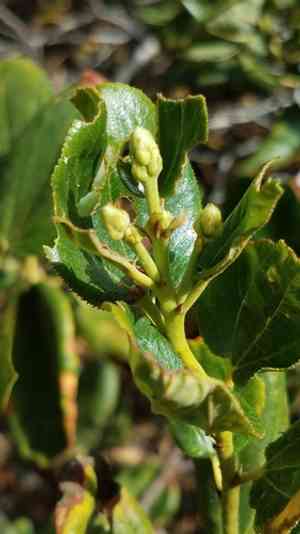
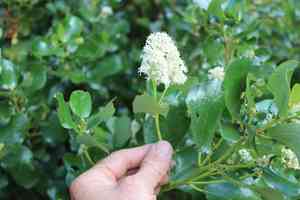
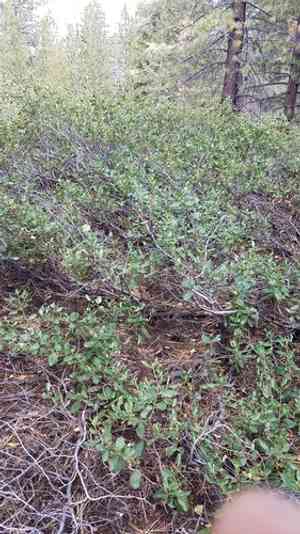
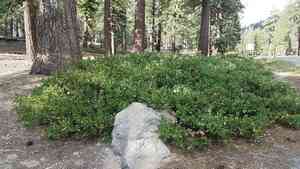
Quickly Identify Snowbrush ceanothus
1
Ceanothus velutinus can be identified by its glossy, dark green leaves that are significantly velvety on the underside, and its clusters of small, fragrant white flowers that appear in late spring to early summer.
Scientific Classification of Snowbrush ceanothus
Phylum
Vascular plants
Class
Dicotyledons
Order
Rosales
Family
Buckthorn
Genus
Redroots
Species
Snowbrush ceanothus
Planting and Growing of Snowbrush ceanothus
Care Difficulty
Easy
Watering Schedule
Every 2 days
Sunlight Requirements
Full sun
Sunshine Duration
6-10 hours
Ideal Temperature
55-75℉
Soil Type
Potting Mix, Peat Mix
Soil pH
6.5-7.5
Fertilizer Type
Balanced
Pruning Season
Spring, Summer
Pruning Area
Branches, Leaves
Pruning Frequency
2 times a year
Repotting Season
Spring
Pot Type
Plastic, Ceramic
 How to Water Snowbrush ceanothus?
Ceanothus velutinus prefers well-draining soil, and the watering amount should be enough to keep the soil moist but not waterlogged. Aim for around 500 ml of water, adjusting based on local humidity and rainfall. Water should penetrate to the root level to ensure even distribution.
What are the symptoms of an underwatered Snowbrush ceanothus?
›
What should I do if my Snowbrush ceanothus is not getting enough water?
›
What are the symptoms of an overwatered Snowbrush ceanothus?
›
How to save an overwatered Snowbrush ceanothus?
›
 What Are the Sunlight Requirements for Snowbrush ceanothus?
Ceanothus velutinus thrives best in full sun with partial shade, receiving 6 to 8 hours of sunlight daily. Ideal lighting conditions enhance photosynthesis, promoting vigorous growth, vibrant foliage, and abundant flowering, thus sustaining the plant's overall health.
More About Sunlight Requirements Techniques→
What is the best way to achieve ideal lighting?
›
How should I position Ceanothus velutinus for optimal light?
›
What are the benefits of ideal lighting conditions?
›
 What Is the Ideal Temperature Range for Snowbrush ceanothus?
Ceanothus velutinus thrives best within a temperature range of 55 to 75 degrees Fahrenheit. This range allows for optimal enzymatic and physiological functions, promoting healthy growth and development.
 What Soil is Best for Snowbrush ceanothus?
Ceanothus velutinus thrives best in well-drained soils, which help to prevent root rot and other fungal diseases. This quality allows the plant's roots to breathe and access the necessary nutrients, leading to healthier growth and development. A nutrient-rich soil is essential for Ceanothus velutinus as it provides the necessary minerals and elements required for robust growth and vibrant foliage. Organic matter or compost can be added to improve soil fertility, enhancing the overall vitality of the plant. While Ceanothus velutinus is drought-tolerant, moderately moist soil during its establishment phase ensures stronger root systems and better resilience against environmental stresses. Adequate moisture facilitates nutrient uptake and supports the plant during stressful conditions.
 How to Fertilize Snowbrush ceanothus?
For Ceanothus velutinus, a gentle approach is best. Use half the recommended dose of a balanced, water-soluble fertilizer per application. This prevents overfeeding and encourages natural growth rhythms.
 How to Prune Snowbrush ceanothus?
Begin by inspecting the plant to identify any dead, damaged, or diseased branches that need removing. Ensure your tools are sharp and clean before you start to prevent spreading any diseases. Start by removing deadwood and damaged branches to promote airflow and light penetration. Trim back the previous year's growth to encourage bushier growth and flowers. Always make clean cuts close to a bud to encourage healthy branching. Shape the plant by trimming any overly long branches. This will help maintain a manageable size and an attractive appearance. Keep the plant's natural shape in mind as you prune to avoid an unnatural look.
More About Pruning Techniques→
 How to Propagate Snowbrush ceanothus plant?
1
Begin by collecting seeds from mature Ceanothus velutinus plants. Clean the seeds to remove any debris. This can be done by gently rubbing them between your fingers, ensuring that they are clean and dry before sowing.
2
Fill your seed tray with a well-draining potting mix. Sow the seeds on the surface of the soil and cover them lightly with more soil. Water the tray gently to moisten the soil, but avoid over-watering to prevent rot.
3
Select a healthy branch from the Ceanothus velutinus and cut a 4-6 inch section using pruning shears. Remove the lower leaves, leaving only a few at the top, and dip the cut end in rooting hormone to encourage root growth.
 How to Repot Snowbrush ceanothus plant?
1
Ceanothus velutinus benefits from repotting when roots visibly outgrow its current pot, or when water stagnates on the surface, indicating compacted soil. This typically happens every few years. Spring and Summer are ideal seasons due to their favorable climate, allowing the plant to recover more swiftly in these warmer, growth-friendly conditions.
2
Opt for a pot that is 1-2 inches larger in diameter than the current one. Ensure it has adequate drainage holes to prevent waterlogging, which could lead to root rot. The material of the pot can range from terracotta to plastic, but terracotta is often preferred as it allows for better aeration and moisture evaporation, helpful for Ceanothus' preference for well-drained soil.
3
Use a well-draining sandy soil mix, as Ceanothus velutinus prefers not to have 'wet feet'. The soil should mimic its native habitat, being gritty and low in moisture retention. This type of soil prevents root rot and supports healthy new growth, enhancing the plant's ability to flourish after repotting.



