
Blueblossom (Ceanothus thyrsiflorus)
Also known as: Blue blossom ceanothus, Carmel ceanothus
The California Lilac (Ceanothus thyrsiflorus) is an evergreen shrub prevalent on the West Coast of the United States. It features dense clusters of flowers in hues from purple and white to various blues, including light and dark shades. This shrub can reach heights exceeding 6 meters.
In This Article
Attributes of Blueblossom
Lifespan
Perennial
Plant Type
Shrub
Plant Height
50 cm to 6 m
Spread
1.5 m to 1.8 m
Leaf Color
Green
Flower Size
2.5 cm to 9 cm
Flower Color
Blue White
Images of Blueblossom

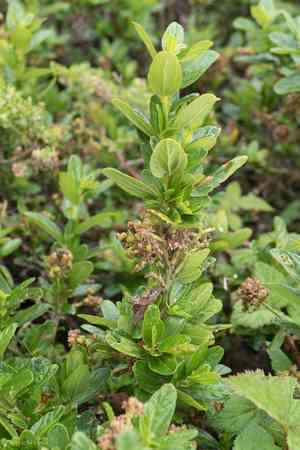

Quickly Identify Blueblossom
1
Robust evergreen shrub, up to 20 feet (6 meters) high and wide.
2
Profusion of rare vivid blue flowers in dense, spike-like clusters.
3
Small fruit with glandular-sticky surface, evolving in coloration with maturity.
4
Elliptic to ovate leaves, up to 1.5 inches (3.8 cm) long, with serrated margins.
5
Distinct 3 prominent veins on leaf underside, enhancing texture and identification.
Scientific Classification of Blueblossom
Phylum
Vascular plants
Class
Dicotyledons
Order
Rosales
Family
Buckthorn
Genus
Redroots
Species
Blueblossom
Planting and Growing of Blueblossom
Care Difficulty
Easy
Watering Schedule
Every 2 days
Sunlight Requirements
Full sun
Sunshine Duration
6-10 hours
Ideal Temperature
50-70℉
Soil Type
Potting Mix, Peat Mix
Soil pH
6.5-7.5
Fertilizer Type
Balanced
Pruning Season
Spring, Summer
Pruning Area
Branches, Leaves
Pruning Frequency
2 times a year
Repotting Season
Spring
Pot Type
Plastic, Terracotta
 How to Water Blueblossom?
When watering Ceanothus thyrsiflorus, it is essential to ensure that the soil is thoroughly soaked but not waterlogged. The rule of thumb is to water it with approximately 2000 ml per session, ensuring even distribution across the root zone. This helps the roots to access the necessary moisture without suffocating them, allowing the plant to thrive in a well-nourished environment.
More About Watering Techniques→
What are the symptoms of an underwatered Blueblossom?
›
What should I do if my Blueblossom is not getting enough water?
›
What are the symptoms of an overwatered Blueblossom?
›
How to save an overwatered Blueblossom?
›
 What Are the Sunlight Requirements for Blueblossom?
Ceanothus thyrsiflorus thrives within a range of full to partial sun conditions. Ideal lighting supports vibrant blooms and vigorous growth, ensuring the plant remains healthy by preventing both dehydration under intense sun and insufficient blooming in low light.
More About Sunlight Requirements Techniques→
What is the ideal lighting condition for Ceanothus thyrsiflorus?
›
How can I achieve ideal lighting conditions?
›
What are the benefits of optimal lighting for Ceanothus thyrsiflorus?
›
 What Is the Ideal Temperature Range for Blueblossom?
The ideal temperature range for Ceanothus thyrsiflorus is between 50°F and 70°F. This is the optimal condition for the plant's growth and development. Within this temperature range, the plant can photosynthesize effectively, resulting in healthy foliage and robust flower development.
 What Soil is Best for Blueblossom?
Ceanothus thyrsiflorus thrives in well-drained soil to prevent root rot and other moisture-related issues. Good drainage is essential for providing the roots with adequate air circulation, promoting healthy growth. This plant prefers a soil pH ranging from 6.5 to 7.5, ensuring optimal nutrient availability. Maintaining the proper pH helps the plant absorb essential nutrients efficiently, leading to robust growth. To support its vibrant blooming, Ceanothus thyrsiflorus benefits from nutrient-rich soil. Organic matter and compost can enhance soil fertility, providing the plant with necessary nutrients for long-lasting blooms.
More About Soil→
 How to Fertilize Blueblossom?
Ceanothus thyrsiflorus, commonly known as California lilac, requires balanced fertilization to thrive. For liquid fertilizers, it is recommended to dilute the fertilizer to half the strength suggested for general use. Typically, 1/4 to 1/2 cup of balanced liquid fertilizer per gallon of water is ideal. For slow-release fertilizers, use around 4 ounces per plant, evenly distributed around the root zone.
More About Fertilizing Techniques→
 How to Prune Blueblossom?
Start by removing any dead or damaged branches using clean, sharp pruning shears. When shaping the Ceanothus thyrsiflorus, focus on trimming the outer branches to maintain its natural form. Avoid cutting into the bare wood, as it may not regrow. Aim to reduce the size by no more than one-third to ensure healthy regrowth. Finish by shaping the edges gently to encourage fullness.
More About Pruning Techniques→
 How to Propagate Blueblossom plant?
1
Collect mature seeds from existing plants in autumn. Dry them thoroughly before storing in a cool, dry place.
2
Select healthy, semi-hardwood stems for cuttings during late spring. Cut 4-6 inch sections and remove the lower leaves, leaving a few at the top.
3
Bend a low-growing branch to the ground without detaching it from the parent plant. Cover part of the stem with soil, leaving the tip exposed, and secure it with a small stone or pin until roots develop.
 How to Repot Blueblossom plant?
1
Repotting signals include roots emerging from the drainage holes, slower growth, and soil that dries out too quickly. Spring is ideal because it aligns with the plant's natural growth phase, allowing it to establish in its new pot before harsher summer conditions.
2
Select a pot that is 1-2 inches larger in diameter than the current one. Ensure it has ample drainage holes to prevent waterlogging. This helps avoid root rot and provides enough space for roots to expand comfortably.
3
Opt for a well-draining, sandy loam soil mix. This ensures good aeration and prevents root rot by allowing excess water to escape freely. The right soil supports healthy root development and overall plant vitality.



