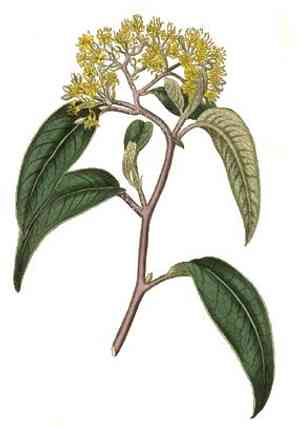
Redstem ceanothus (Ceanothus sanguineus)
Also known as: Redstem Ceanothus, Redroot Ceanothus
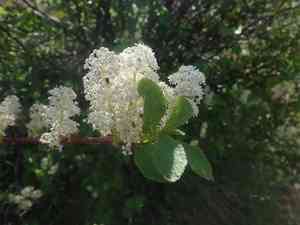
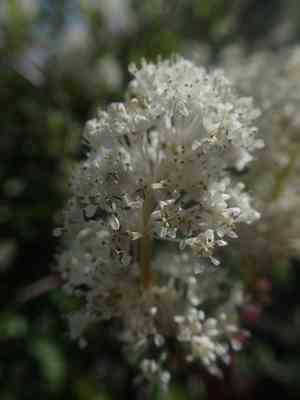
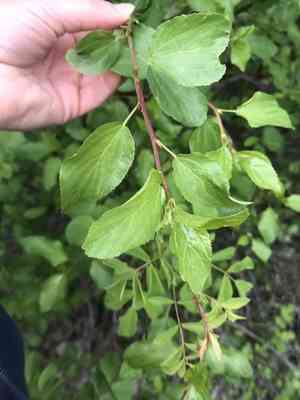
The underside of the leaves may occasionally be hairy. The plant features clusters of white flowers that can reach up to 12 cm in length. Its fruit is a smooth, three-lobed capsule approximately 4 millimeters in size. This shrub is crucial for wild ungulates like the Rocky Mountain Elk, as well as for various livestock and animals that consume its seeds.
In This Article
Attributes of Redstem ceanothus
Lifespan
Perennial
Plant Type
Shrub
Plant Height
91 cm to 3 m
Spread
Approximately 1-2 meters
Leaf Color
Green Blue
Flower Size
0.5-1 cm
Flower Color
Creamy white
Images of Redstem ceanothus
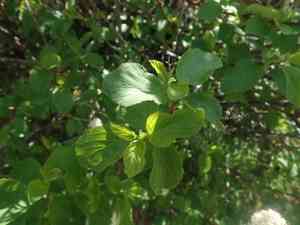
Quickly Identify Redstem ceanothus
1
You can identify Ceanothus sanguineus by its notable red stems, serrated leaves that are typically 3-7 cm long, and small clusters of creamy white flowers. The shrub usually grows about 1-3 meters high.
Scientific Classification of Redstem ceanothus
Phylum
Vascular plants
Class
Dicotyledons
Order
Rosales
Family
Buckthorn
Genus
Redroots
Species
Redstem ceanothus
Planting and Growing of Redstem ceanothus
Care Difficulty
Easy
Watering Schedule
Every 2 days
Sunlight Requirements
Full sun
Sunshine Duration
4-6 hours
Ideal Temperature
60-75℉
Soil Type
Potting Mix, Peat Mix
Soil pH
6.5-7.5
Fertilizer Type
Balanced
Pruning Season
Spring, Summer
Pruning Area
Branches, Leaves
Pruning Frequency
2 times a year
Repotting Season
Spring
Pot Type
Terracotta, Plastic
 How to Water Redstem ceanothus?
For Ceanothus sanguineus, it is recommended to soak the soil in such a way that water penetrates deeply, approximately 1000 milliliters per watering. This ensures that the roots receive adequate moisture. Aim for the soil to become moist but not soggy, maintaining good balance.
What are the symptoms of an underwatered Redstem ceanothus?
›
What should I do if my Redstem ceanothus is not getting enough water?
›
What are the symptoms of an overwatered Redstem ceanothus?
›
How to save an overwatered Redstem ceanothus?
›
 What Are the Sunlight Requirements for Redstem ceanothus?
Ceanothus sanguineus thrives best between 6 to 8 hours of full to partial sun. Ideal lighting fosters robust growth, vibrant foliage, and abundant blossoms, enhancing its natural beauty and health.
What is the best positioning for Ceanothus sanguineus?
›
How can I adjust sunlight levels for Ceanothus sanguineus?
›
What benefits does ideal lighting offer to Ceanothus sanguineus?
›
 What Is the Ideal Temperature Range for Redstem ceanothus?
The ideal temperature range for Ceanothus sanguineus is between 60°F and 75°F. This range is optimal because it provides enough warmth for the plant's physiological processes like photosynthesis and nutrient uptake, while avoiding stress caused by excessive heat.
 What Soil is Best for Redstem ceanothus?
Ceanothus sanguineus thrives in soil that provides excellent drainage. Well-draining soil helps prevent root rot, ensuring that the roots receive adequate air and nutrients without being waterlogged. This plant prefers soil with moderate fertility. Too much organic matter can lead to excessive growth of foliage at the expense of flowers, while poor soil might stunt its growth. Maintaining soil pH between 6.5 and 7.5 is crucial. This range allows for optimal nutrient availability, ensuring that the plant can absorb the necessary minerals from the soil.
 How to Fertilize Redstem ceanothus?
Ceanothus sanguineus, commonly known as redstem ceanothus, thrives with modest fertilization. Adult plants usually need about one-quarter cup of a balanced 10-10-10 fertilizer lightly worked into the soil per feeding. Ensure you distribute the fertilizer evenly around the plant's base, extending it to the drip line, which refers to the plant's outer edge where rain drips from the foliage.
 How to Prune Redstem ceanothus?
Begin by inspecting the Ceanothus sanguineus for dead, damaged, or diseased branches which should be removed first. Use clean, sharp pruning shears to make cuts at an angle, just above the node or along the main stem, to encourage new growth. Focus on maintaining the shape of the shrub by trimming back overly long shoots to a new bud. It's important to not cut more than a third of the plant during a single session to prevent stress. Prune regularly throughout the growing seasons to keep the plant's size manageable and encourage bushier growth.
More About Pruning Techniques→
 How to Propagate Redstem ceanothus plant?
1
Choose healthy, disease-free plant material for propagation. Look for semi-hardwood sections of the plant, approximately 4-6 inches in length, as these tend to root more successfully than other parts.
2
Remove the leaves from the lower half of the cutting and dip the cut end in rooting hormone to promote root growth. Ensure that the cut is clean and angled, which helps in water absorption.
3
Insert the hormone-treated cuttings into pots filled with a well-draining rooting medium. Firm the medium around the cuttings to ensure they are secure and water them thoroughly.
 How to Repot Redstem ceanothus plant?
1
Ceanothus sanguineus needs repotting when its roots start to circle the pot or when you notice a decline in growth, indicating it's becoming root-bound. This typically happens every couple of years. Repot in spring or summer when the plant is actively growing to help it adjust to the new pot.
2
Select a pot that is 2-3 inches larger in diameter than the current one. Make sure it has good drainage holes to prevent waterlogging, which can lead to root rot. A slightly larger pot ensures the roots have room to grow and helps maintain healthy growth.
3
Opt for a well-draining sandy loam, which mimics the natural habitat of Ceanothus sanguineus. This type of soil ensures excess water drains away quickly, reducing the risk of root rot and encouraging strong root development.



