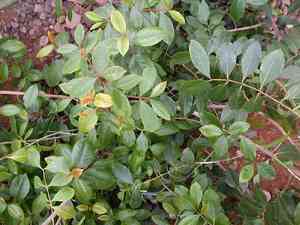
Khat (Catha edulis)
Also known as: Khat, Qat, Chat, Miraa, Arabian Tea
The plant you're referring to is Khat (Catha edulis), a slow-growing evergreen shrub significant in the cultural traditions and rituals of East Africa and the Arabian Peninsula. Known for its ability to thrive in various soil conditions, Khat is also distinguished by its red-tinted young stems.
In This Article
Attributes of Khat
Lifespan
Perennial
Plant Type
Tree, Shrub
Plant Height
1 m to 10 m
Spread
Up to 5 meters
Leaf Color
Dark Green
Flower Size
3 mm to 5 mm
Flower Color
Yellow Green
Images of Khat
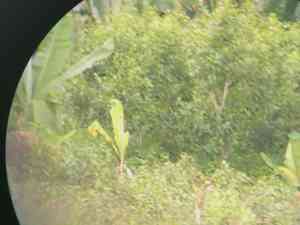
Quickly Identify Khat
1
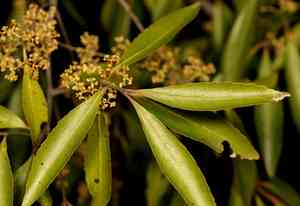
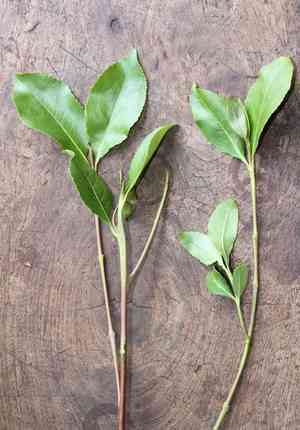
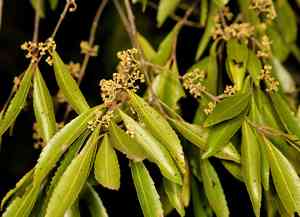
Khat can be identified by its glossy, elliptic-ovate leaves with serrated edges. The plant itself is a tall shrub or small tree, often with a reddish hue to its young stems.
Scientific Classification of Khat
Phylum
Vascular plants
Class
Dicotyledons
Order
Celastrales
Family
Bittersweet
Genus
Catha
Species
Khat
Planting and Growing of Khat
Care Difficulty
Hard
Watering Schedule
Every 3 days
Sunlight Requirements
Partial sun
Sunshine Duration
4-6 hours
Ideal Temperature
68-77℉
Soil Type
Potting Mix, Peat Mix
Soil pH
6.2-7.8
Fertilizer Type
Balanced
Pruning Season
Spring, Summer
Pruning Area
Branches, Leaves
Pruning Frequency
2 times a year
Repotting Season
Spring
Pot Type
Plastic, Ceramic
 How to Water Khat?
Catha edulis requires a moderate watering approach, typically needing about 500 ml of water per session. Ensure the soil is damp but not waterlogged, as the roots prefer a balance of moisture and air. Stick to this amount to prevent detrimental water stress.
What are the symptoms of an underwatered Khat?
›
What should I do if my Khat is not getting enough water?
›
What are the symptoms of an overwatered Khat?
›
How to save an overwatered Khat?
›
 What Are the Sunlight Requirements for Khat?
Partial sun, ideally 4-6 hours, is best for Catha edulis. This range allows for healthy photosynthesis while reducing the risk of leaf scorching and stress.
How much sun does Catha edulis need?
›
Solutions to achieve ideal lighting?
›
Benefits of ideal lighting for Catha edulis?
›
 What Is the Ideal Temperature Range for Khat?
Catha edulis thrives best within a temperature range of 68 to 77 degrees Fahrenheit. This range ensures optimal growth and overall plant health, facilitating the development of robust foliage and ensuring high resistance against pests and diseases.
 What Soil is Best for Khat?
Catha edulis thrives in well-drained soils that prevent waterlogging and root rot. Good drainage ensures aeration, encouraging healthier root growth and nutrient uptake. This plant benefits from a nutrient-rich substrate, which provides essential minerals for growth and enhances its leaf production, crucial for its desirable properties. While drainage is key, the soil should also retain enough moisture to keep the plant hydrated in arid environments. This balance is vital for sustaining its growth cycles.
 How to Fertilize Khat?
For Catha edulis, it is essential to use a balanced fertilizer with an NPK ratio of approximately 10-10-10. Use about 30-60 milligrams of liquid fertilizer per liter of water or about half a handful of slow-release granules spread evenly around the root zone. Be careful not to over-fertilize as this can harm the plant.
 How to Prune Khat?
Identify and remove dead or damaged branches to foster healthier growth. 2. Cut back any crowded branches that hinder light and air penetration. 3. Trim the plant to maintain a balanced and aesthetically pleasing shape, ensuring cuts are made just above a leaf node. 4. Finish by cleaning up any fallen debris around the base of the plant to prevent pest infestations. Perform routine pruning throughout the growing seasons like spring and summer when the plant displays active growth. Be mindful of the size of branches being removed to avoid stressing the plant.
 How to Propagate Khat plant?
1
Gather ripe seeds from mature Catha edulis plants. Ensure the seeds are fully dried before storage to prevent mold and enhance germination rates during the planting season.
2
Select healthy, non-flowering branches and cut at a slight angle. Remove lower leaves to reduce moisture loss and dip the cutting end in rooting hormone to encourage root growth.
3
Plant seeds or cuttings in well-draining potting soil. Ensure the soil remains moist but not waterlogged to provide optimal conditions for germination or rooting.
 How to Repot Khat plant?
1
Repot your Catha edulis when you notice roots growing out of the drainage holes or see a significant slowdown in growth. This indicates that the plant has likely outgrown its current pot and needs more room to thrive.
2
Select a pot that is 1-2 inches larger in diameter than the current one. Ensure it has sufficient drainage holes to prevent waterlogging, which can lead to root rot. A slightly larger pot provides the plant with space for root expansion without overwhelming its current size.
3
Opt for a well-draining potting mix with components such as sand or perlite. This type of soil prevents water retention and promotes appropriate aeration, allowing roots to breathe and minimizing the risk of root diseases.
Toxicity
Ingestion, Chewing
WARNING
The judgment on toxicity and danger is for reference only. We DO NOT GUARANTEE any accuracy of such judgment. Therefore, you SHALL NOT rely on such judgment. It is IMPORTANT TO SEEK PROFESSIONAL ADVICE in advance when necessary.
Learn More About Khat Diseases
Anthracnose
Bacterial Leaf Spot
Bacterial Soft Rot
Bacterial Wilt
Chemical Injury
Crown Gall
Cyst Nematode
Damping-off
Downy Mildew
Drought Stress
Fusarium Wilt
Gray Mold
Leaf Curl
Leaf Spot
Mosaic
Nutrient Deficiency
Nutrient Toxicity
Powdery Mildew
Root Rot
Root-knot Nematode
Rusts
Sooty Mold
Spider Mites
Temperature Stress
Thrips Damage
White Mold

