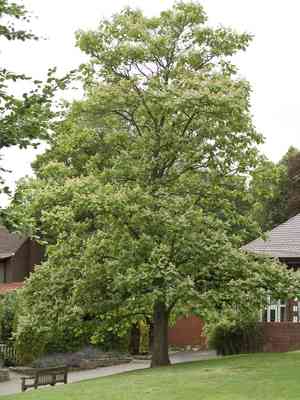
Chinese catalpa (Catalpa ovata)
Also known as: Yellow catalpa
The tree in question is the Chinese Catalpa (Catalpa ovata). Native to China and widely cultivated as an ornamental tree in Europe and North America, it emits a pleasant fragrance when its leaves are bruised. The distinctive three-lobed leaves often lead to confusion with Paulownia tomentosa.
In This Article
Attributes of Chinese catalpa
Lifespan
Perennial
Plant Type
Tree
Plant Height
6 m to 9 m
Spread
6 m to 9 m
Leaf Color
Green
Flower Size
2.5 cm
Flower Color
Yellow White Cream Purple
Images of Chinese catalpa
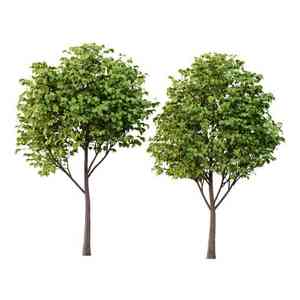
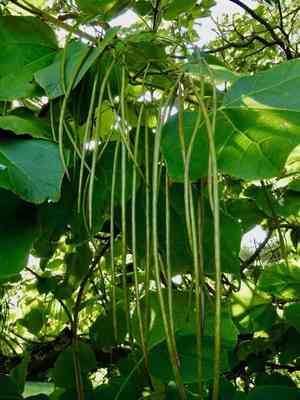
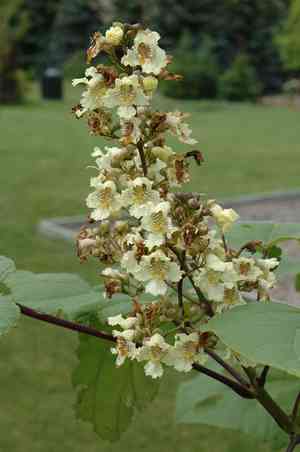
Quickly Identify Chinese catalpa
1
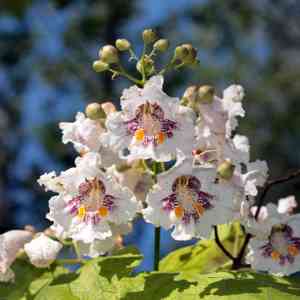
Bell-shaped flowers with yellow-white color, marked by purple and orange spots (3/4 inches or 1.9 cm wide)
2
Elongated seed pods, starting green and maturing to brown, splitting lengthwise to reveal fluffy white seeds (16 inches or 40 cm long)
3
Large heart-shaped leaves, smooth texture, light green color with hairy veins on undersides (10 inches or 25 cm long and wide)
4
Robust trunk with ridges and deep fissures, transitioning bark color from gray to brown, especially apparent in mature specimens with a diameter of 1-2 feet (30-60 cm)
Scientific Classification of Chinese catalpa
Phylum
Vascular plants
Class
Dicotyledons
Order
Mints plantains olives and allies
Family
Bignonia
Genus
Catalpas
Species
Chinese catalpa
Planting and Growing of Chinese catalpa
Care Difficulty
Easy
Watering Schedule
Every 4 days
Sunlight Requirements
Full sun
Sunshine Duration
6-12 hours
Ideal Temperature
59-77℉
Soil Type
Potting Mix, Peat Mix
Soil pH
6.5-7.5
Fertilizer Type
Balanced
Pruning Season
Spring, Summer
Pruning Area
Branches, Leaves
Pruning Frequency
2 times a year
Repotting Season
Spring
Pot Type
Plastic, Terracotta
 How to Water Chinese catalpa?
When it comes to watering Catalpa ovata, consistency is key. Aim to provide approximately 500 milliliters of water per session. This amount ensures the soil remains evenly moist, mimicking the plant's natural environment without becoming waterlogged. It's vital to pour the water slowly, allowing it to seep into the soil, reaching the roots effectively.
What are the symptoms of an underwatered Chinese catalpa?
›
What should I do if my Chinese catalpa is not getting enough water?
›
What are the symptoms of an overwatered Chinese catalpa?
›
How to save an overwatered Chinese catalpa?
›
 What Are the Sunlight Requirements for Chinese catalpa?
Catalpa ovata thrives in environments ranging from full sun to partial sun. Providing these conditions helps ensure vibrant growth, disease resistance, and abundant flowering. It makes use of optimal sunlight to fuel physiological processes.
More About Sunlight Requirements Techniques→
What is the ideal light exposure?
›
How can you achieve ideal lighting conditions?
›
What are the benefits of ideal lighting for Catalpa ovata?
›
 What Is the Ideal Temperature Range for Chinese catalpa?
The ideal temperature range for Catalpa ovata is between 59°F and 77°F. This range offers optimal conditions for growth, ensuring that the plant has enough warmth to carry out photosynthesis efficiently without the risk of heat stress.
 What Soil is Best for Chinese catalpa?
Catalpa ovata thrives in well-drained soil, which helps prevent waterlogging and ensures roots have access to oxygen. This aids in healthy root development and reduces the risk of root rot, ensuring robust plant growth. This species benefits from nutrient-rich soil that supports its vigorous growth and bright foliage. An enriched soil environment provides essential nutrients, promoting healthy leaves and an abundant bloom. Catalpa ovata prefers soil that maintains moderate moisture, preventing stress from drought conditions. Consistent moisture levels help sustain healthy metabolism and enhance the plant's resistance to pests and diseases.
 How to Fertilize Chinese catalpa?
For Catalpa ovata, it is essential to use a balanced fertilizer with an N-P-K ratio of 10-10-10. For liquid fertilizers, use about 1 gallon of diluted solution per square foot of soil around the tree base. For slow-release fertilizer, apply approximately 3 ounces per inch of trunk diameter around the drip line of the tree.
 How to Prune Chinese catalpa?
Begin by removing any dead, diseased or damaged branches first. These are not beneficial to the plant and can divert resources away from healthier growth. Focus on shaping the tree to your aesthetic preference while maintaining a balanced and open canopy. This allows sunlight to penetrate and air to circulate freely, encouraging healthy growth. Make clean cuts at a 45-degree angle above growth buds to promote effective healing. Ensure that cuts are precise to avoid damaging the plant tissue.
More About Pruning Techniques→
 How to Propagate Chinese catalpa plant?
1
Harvest seeds from mature Catalpa ovata pods in late fall. Ensure the pods are dry before opening them. Extract the seeds and clean them of any debris.
2
Choose healthy stems from the catalpa tree. Each cutting should be 4-6 inches long, with a couple of leaves left at the top and the lower leaves removed. Use sterilized tools to avoid infections.
3
Plant the seeds or cuttings in prepared trays or pots with the suitable medium. Water adequately to maintain a consistently moist environment but avoid waterlogging.
 How to Repot Chinese catalpa plant?
1
Repot Catalpa ovata when you notice roots circling the pot's perimeter or emerging from the drainage holes. These are clear indicators that your plant has outgrown its current home. Additionally, if water takes longer to drain, it's a good sign the soil might be compacted and needs refreshing. Choose a cooler day in either spring or autumn to make the transition smoother for the plant, avoiding the stress of extreme temperatures.
2
Opt for a pot that is just one size larger than the current one. This ensures that the plant has enough room to grow without overwhelming it with too much soil. A pot with drainage holes is crucial to prevent water from stagnating, which could lead to root rot. The material of the pot, whether clay, plastic, or ceramic, should allow proper aeration and temperature regulation, catering to the Catalpa's needs.
3
A well-draining loamy mix is ideal for Catalpa ovata, as it mimics its natural habitat. Such soil retains enough moisture to support growth but allows excess water to escape, preventing waterlogging. Incorporating organic matter like compost can enhance fertility and structure, helping the plant thrive by promoting robust root development and healthy nutrient uptake.



