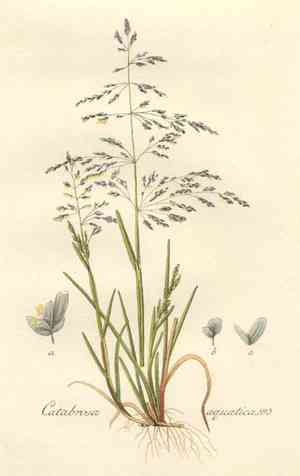
Whorlgrasses (Catabrosa) (Catabrosa)
Also known as: Northern Watergrass, Western Watergrass, Willow Grass
Whorlgrasses, a modest yet widely distributed genus in the grass family, are native to temperate regions across Eurasia, the Americas, and some parts of Africa.
In This Article
Attributes of Whorlgrasses (Catabrosa)
Lifespan
Perennial
Plant Height
10-40 cm
Spread
N/A
Leaf Color
Green
Flower Size
1-3 mm
Flower Color
Green or purplish-green
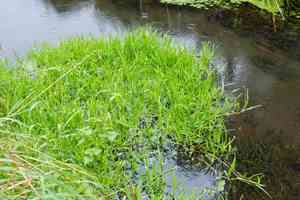
Images of Whorlgrasses (Catabrosa)
Quickly Identify Whorlgrasses (Catabrosa)
1
Catabrosa species can be identified by their loose, open panicles, and glossy, green leaves. The stems are usually aquatic or semi-aquatic, and they have a creeping growth habit.
Scientific Classification of Whorlgrasses (Catabrosa)
Phylum
Magnoliophyta
Class
Liliopsida
Order
Poales
Family
Poaceae
Genus
Catabrosa
Planting and Growing of Whorlgrasses (Catabrosa)
Care Difficulty
Moderate
Watering Schedule
Every 4 days
Sunlight Requirements
Partial sun
Sunshine Duration
4-6 hours
Ideal Temperature
60-75℉
Soil Type
Potting Mix, Peat Mix
Soil pH
6.5-7.5
Fertilizer Type
Balanced
Pruning Season
Spring, Summer
Pruning Area
Branches, Leaves
Pruning Frequency
2 times a year
Repotting Season
Spring
Pot Type
Plastic, Ceramic
 How to Water Whorlgrasses (Catabrosa)?
Catabrosa requires moderate watering, aiming to keep the soil moist but not waterlogged. During each watering session, ensure that you provide approximately 500 milliliters of water. This amount helps maintain soil moisture without creating overly soggy conditions. It's crucial to achieve a balance where the soil feels damp to the touch but allows excess water to drain swiftly.
What are the symptoms of an underwatered Whorlgrasses (Catabrosa)?
›
What should I do if my Whorlgrasses (Catabrosa) is not getting enough water?
›
What are the symptoms of an overwatered Whorlgrasses (Catabrosa)?
›
How to save an overwatered Whorlgrasses (Catabrosa)?
›
 What Are the Sunlight Requirements for Whorlgrasses (Catabrosa)?
Partial sun exposure is optimal for Catabrosa. By situating it in such conditions, the plant benefits from balanced light that supports its photosynthetic needs and growth without causing stress or damage.
What is the best lighting for Catabrosa?
›
How can one achieve ideal lighting conditions?
›
What are the benefits of ideal lighting for Catabrosa?
›
 What Is the Ideal Temperature Range for Whorlgrasses (Catabrosa)?
For optimal growth, Catabrosa thrives best within a temperature range of 60°F to 75°F. This range provides the ideal conditions for photosynthesis and nutrient absorption, enabling the plant to achieve its full potential in terms of vigour and vitality. Temperatures outside this range can stress the plant, affecting its overall health and productivity.
 What Soil is Best for Whorlgrasses (Catabrosa)?
Catabrosa prefers well-drained soils to avoid waterlogging, which can stunt its growth. Ensuring proper drainage helps in root aeration and promotes healthy plant development. This plant thrives in nutrient-rich soils, which support its rapid growth and lush foliage. Fertile soil with adequate organic matter aids in the strong establishment and vigor of Catabrosa. Catabrosa benefits from soils that retain adequate moisture without becoming waterlogged. This balance supports sustained growth during dry spells and prevents drought stress.
 How to Fertilize Whorlgrasses (Catabrosa)?
Catabrosa plants generally require light to moderate fertilization. For liquid fertilizers, use a diluted solution at half the recommended strength. For slow-release fertilizers, use around 1-2 pounds per 100 square feet to ensure a balanced nutrient supply without over-fertilizing.
 How to Prune Whorlgrasses (Catabrosa)?
To prune Catabrosa, start with clean, sharp shears. Remove any dead or yellowing leaves from the base. Trim back longer stems to shape the plant and encourage more compact growth. Ensure to cut just above a node to promote new shoots. This not only enhances the plant's appearance but also stimulates healthy new growth. Focus on removing any diseased or damaged leaves. If the plant has a lot of dense clumps, thin it out by cutting unwanted stems near the ground. This improves airflow, reducing the chance of fungal infections, and allows sunlight to reach all parts of the plant, promoting healthier growth.
 How to Propagate Whorlgrasses (Catabrosa) plant?
1
Collect seeds from mature plants at the end of their flowering cycle. Clean them gently to remove any debris and air dry them to reduce moisture, which helps in prolonging their viability before planting.
2
Sow seeds thinly in trays filled with seed compost. Cover them lightly with compost or vermiculite. Keep the tray in a warm location, around 18-22°C, and maintain moisture by misting gently until germination occurs.
3
For division propagation, dig up the entire plant carefully without damaging the roots. Use a sharp knife or spade to divide the clump into several sections. Ensure each section has a good portion of roots and shoots.
 How to Repot Whorlgrasses (Catabrosa) plant?
1
Catabrosa exhibits signals like roots growing out of drainage holes or stunted growth, indicating it’s time to repot. Ideally, repotting should occur when the weather warms up to encourage growth, typically in early spring or early summer.
2
Select a pot only slightly larger than the current one to prevent overwatering. A good pot should have ample drainage holes to ensure excess water can escape, preventing root rot and promoting healthy root growth.
3
Using a moisture-retentive sandy loam is essential, as it balances water retention and drainage. This type of soil provides the necessary support for Catabrosa, helping maintain hydration while preventing waterlogging.
Learn More About Whorlgrasses (Catabrosa) Diseases
Anthracnose
Bacterial Leaf Spot
Bacterial Soft Rot
Bacterial Wilt
Chemical Injury
Damping-off
Downy Mildew
Drought Stress
Fusarium Wilt
Gray Mold
Leaf Spot
Mosaic
Nutrient Deficiency
Nutrient Toxicity
Powdery Mildew
Root Rot
Root-knot Nematode
Rusts
Sooty Mold
Spider Mites
Temperature Stress
Thrips Damage
White Mold

