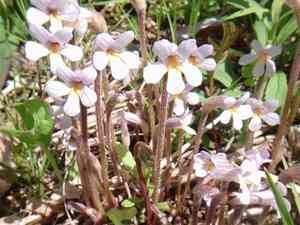
Cream sacs (Castilleja rubicundula)
Also known as: None reported
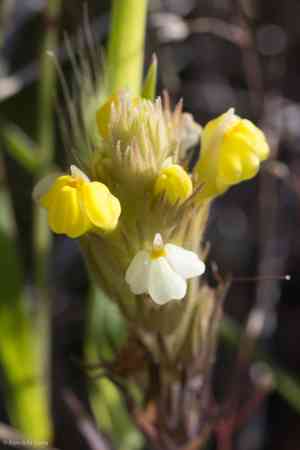
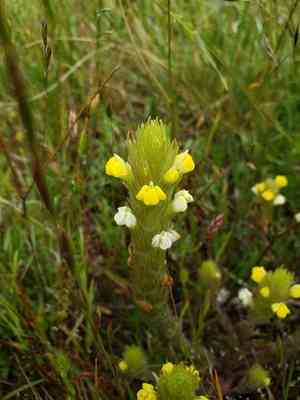
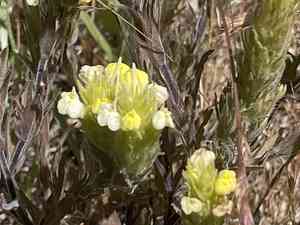
Castilleja rubicundula, also known as pink owl's-clover, is a hairy, glandular annual that typically reaches a height of up to half a meter (about 50 centimeters). It features a terminal inflorescence and may produce several additional branching inflorescences. The flowers, often white, pink, yellow, or a combination of these colors, are usually divided into three distinctive pouches.
In This Article
Attributes of Cream sacs
Lifespan
Perennial
Plant Type
Herb
Plant Height
30 cm to 91 cm
Spread
Not typically measured, as it grows in clumps and spreads horizontally
Leaf Color
Green
Flower Size
Small, 1-2 cm
Flower Color
Pink, red
Images of Cream sacs
Quickly Identify Cream sacs
1
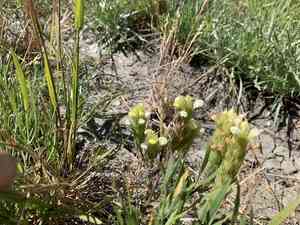
This plant can be recognized by its branched habit, hairy or glandular stems, and brightly colored bracts which surround its small, tubular flowers. Its leaf structure is also somewhat distinctive, being both lobed and narrow.
Scientific Classification of Cream sacs
Phylum
Vascular plants
Class
Dicotyledons
Order
Lamiales
Family
Broomrape
Genus
Indian paintbrush
Species
Cream sacs
Planting and Growing of Cream sacs
Care Difficulty
Moderate
Watering Schedule
Every 2 days
Sunlight Requirements
Full sun
Sunshine Duration
4-8 hours
Ideal Temperature
50-70℉
Soil Type
Potting Mix, Peat Mix
Soil pH
6.5-7.5
Fertilizer Type
Balanced
Pruning Season
Spring, Summer
Pruning Area
Branches, Leaves
Pruning Frequency
2 times a year
Repotting Season
Spring
Pot Type
Terracotta, Plastic
 How to Water Cream sacs?
Castilleja rubicundula prefers to be watered deeply but infrequently. Ensure that the soil is moist but not waterlogged, aiming for around 250 ml of water per session. The soil should be allowed to dry at least halfway down the pot before the next watering.
What are the symptoms of an underwatered Cream sacs?
›
What should I do if my Cream sacs is not getting enough water?
›
What are the symptoms of an overwatered Cream sacs?
›
How to save an overwatered Cream sacs?
›
 What Are the Sunlight Requirements for Cream sacs?
Castilleja rubicundula flourishes in full sun, where it receives 6-8 hours of direct sunlight daily. Ideal light conditions foster lush growth and maximize flowering potential.
What is the ideal light condition for Castilleja rubicundula?
›
How can I ensure my plant receives the ideal light?
›
What benefits does ideal lighting offer to Castilleja rubicundula?
›
 What Is the Ideal Temperature Range for Cream sacs?
The plant Castilleja rubicundula thrives in a temperature range between 50°F and 70°F. Maintaining this temperature ensures optimal growth and flowering by promoting proper metabolic activity. Consistent temperatures within this range also help the plant conserve energy effectively.
 What Soil is Best for Cream sacs?
Castilleja rubicundula thrives in soils with excellent drainage to prevent root rot. Well-drained soil allows excess water to escape, reducing the risk of waterlogging and fostering a healthier root system. The plant prefers moderately fertile soils rich in organic matter. A soil with balanced nutrients supports optimal growth and enhances the vibrancy of its unique flowers. This plant grows best in soils with a pH between 6.5 and 7.5. Maintaining a slightly acidic to neutral environment helps nutrient uptake and overall plant health.
 How to Fertilize Cream sacs?
For Castilleja rubicundula, apply a balanced liquid fertilizer with a 10-10-10 NPK ratio at a dilution of 1/4 strength. Use about 250 ml per plant during the growing season to ensure it receives the necessary nutrients without being overwhelmed.
 How to Prune Cream sacs?
Look for stems that appear lifeless or damaged and remove them at the base. This will help redirect energy to healthier parts of the plant and promote new growth. Cut back any overly long or leggy stems to maintain a compact and bushy appearance. This will also enhance the overall shape and promote fuller growth. When making cuts, always trim just above a leaf node or bud. This helps encourage new growth from that node, ensuring a robust and lush appearance.
More About Pruning Techniques→
 How to Propagate Cream sacs plant?
1
Collect seeds from mature Castilleja rubicundula plants during late summer or early autumn when seed pods have dried but before they have released the seeds. Ensure seeds are clean and free from disease.
2
Fill seed trays with a sterile potting mix suited for arid regions. The soil should be moistened but not waterlogged. This ensures seeds have adequate moisture without the risk of rotting.
3
Scatter the seeds evenly across the prepared soil in the trays. Lightly press them into the soil surface but do not bury them too deeply, as they require light to germinate. Cover lightly with a thin layer of sand or fine grit to prevent wash-out.
 How to Repot Cream sacs plant?
1
This plant usually signals its need for repotting when roots begin to emerge through the drainage holes or if it appears visually root-bound. The ideal time to repot is in spring or autumn, as the plant experiences slower growth during these seasons, minimizing stress. Look for reduced growth or poor flowering as additional indications that repotting is due.
2
Select a pot that is only slightly larger than the current one to avoid excessive soil retaining too much moisture. Ensure that the pot has adequate drainage holes to prevent waterlogging, which can lead to root rot. A terracotta pot can be beneficial as it allows better breathability for the plant roots, enhancing growth and health.
3
Opt for a well-draining soil mix, ideally one that mimics this plant's natural habitat. A cactus or succulent mix with added perlite or sand can work well, preventing water accumulation around the roots. This type of soil provides excellent aeration, which is crucial for the plant's health and helps to prevent diseases.
Toxicity
ingestion
WARNING
The judgment on toxicity and danger is for reference only. We DO NOT GUARANTEE any accuracy of such judgment. Therefore, you SHALL NOT rely on such judgment. It is IMPORTANT TO SEEK PROFESSIONAL ADVICE in advance when necessary.


