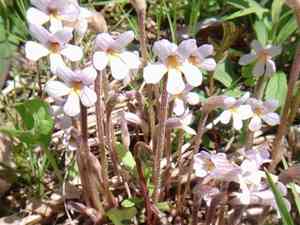
Steens indian paintbrush (Castilleja pilosa)
Also known as: Hairy Indian Paintbrush, Great Basin Indian Paintbrush
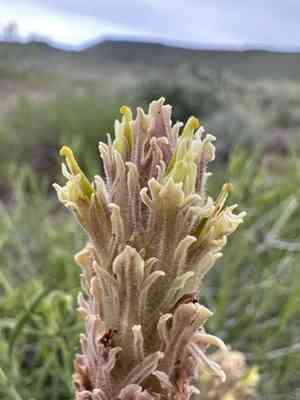
Steens Indian paintbrush (Castilleja pilosa var. steenensis) is notable for its striking, hairy stems and foliage that often exhibit shades of vivid pink to red. The plant's distinctive, brush-like inflorescences, which resemble paintbrushes dipped in bright colors, are a key adaptation for attracting pollinators in its high-altitude meadow habitats. Despite its delicate look, this hardy plant thrives in rocky, well-drained soils, making it well-suited to its native environment.
In This Article
Attributes of Steens indian paintbrush
Lifespan
Perennial
Plant Type
Herb
Plant Height
15-60 cm
Spread
Bracts can spread up to 4 cm wide
Leaf Color
Green, often with a hairy texture
Flower Size
About 2-3 cm
Flower Color
Red, orange, yellow
Images of Steens indian paintbrush
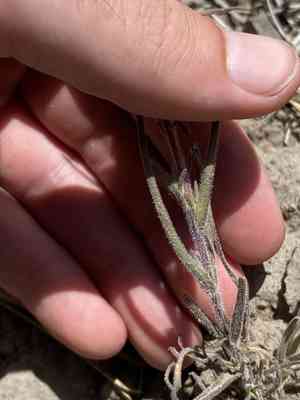
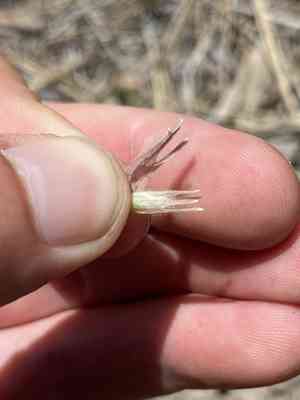
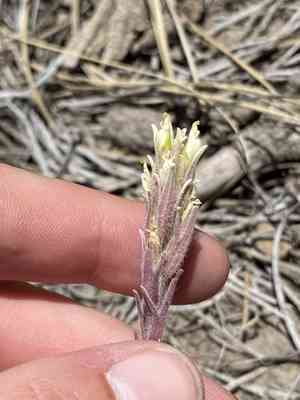
Quickly Identify Steens indian paintbrush
1
Castilleja pilosa can be identified by its hairy stems and leaves, brightly colored bracts that surround the flowers, and the tubular shape of the actual flowers which are typically hidden among the bracts.
Scientific Classification of Steens indian paintbrush
Phylum
Vascular plants
Class
Dicotyledons
Order
Lamiales
Family
Broomrape
Genus
Indian paintbrush
Species
Steens indian paintbrush
Planting and Growing of Steens indian paintbrush
Care Difficulty
Moderate
Watering Schedule
Every 2 days
Sunlight Requirements
Full sun
Sunshine Duration
6-10 hours
Ideal Temperature
64-77℉
Soil Type
Potting Mix, Peat Mix
Soil pH
6.5-7.5
Fertilizer Type
Balanced
Pruning Season
Spring, Summer
Pruning Area
Branches, Leaves
Pruning Frequency
2 times a year
Repotting Season
Spring
Pot Type
Plastic, Terracotta
 How to Water Steens indian paintbrush?
For Castilleja pilosa, it's important to water until the soil is evenly moist but not soaking. Given its native dryland habitat, a good rule of thumb is to water around 300 ml to ensure the roots are well hydrated but not submerged. Always let the soil dry out between waterings to mimic its natural environment.
What are the symptoms of an underwatered Steens indian paintbrush?
›
What should I do if my Steens indian paintbrush is not getting enough water?
›
What are the symptoms of an overwatered Steens indian paintbrush?
›
How to save an overwatered Steens indian paintbrush?
›
 What Are the Sunlight Requirements for Steens indian paintbrush?
Castilleja pilosa prefers full sun exposure but can adapt to partial sun. Consistent sunlight encourages lush growth and vibrant blooms, enhancing its ornamental value and ecological role within its habitat.
What is the preferred lighting intensity?
›
How do you achieve the ideal lighting conditions?
›
What benefits does ideal lighting provide?
›
 What Is the Ideal Temperature Range for Steens indian paintbrush?
The ideal temperature range for growing Castilleja pilosa is between 64°F and 77°F. Within this temperature range, the plant can optimally perform its photosynthesis process, leading to healthy growth and vibrant blooms.
 What Soil is Best for Steens indian paintbrush?
Castilleja pilosa thrives in well-drained soils as it prevents waterlogging, which can drown the roots. Adequately drained soil ensures the roots have enough oxygen, promoting healthy plant growth and vibrant blooming. This plant prefers nutrient-poor soil, which limits the competition from surrounding vegetation. Such conditions mimic its natural habitat, allowing it to develop robust root systems without excessive nutrient interference. A slightly alkaline to neutral pH range from 6.5 to 7.5 suits Castilleja pilosa. This pH balance facilitates the proper uptake of vital nutrients, ensuring the plant remains healthy and stress-free.
 How to Fertilize Steens indian paintbrush?
Castilleja pilosa generally requires light to moderate fertilization. Use a balanced fertilizer at a rate of 10-10-10, applying approximately 0.5 to 1 pound per 100 square feet. Adjust based on the plant's response and avoid over-fertilizing as it can be sensitive.
 How to Prune Steens indian paintbrush?
Using sharp, sterilized pruning shears, start by making clean cuts to remove any dead or damaged stems at the base. This prevents the spread of disease and promotes better growth. Ensure the cuts are made at a slight angle to enhance water runoff, preventing infections. Trim back about one-third of the longer stems to encourage a bushier growth pattern. Focus on cutting above a leaf node, which is where new growth will emerge. This practice helps maintain the plant's natural shape and keeps it looking full and lush.
More About Pruning Techniques→
 How to Propagate Steens indian paintbrush plant?
1
Begin by collecting seeds from mature plants in late summer. Sow the seeds in a pot or seed tray filled with a sandy, well-draining mix. Lightly cover the seeds with soil and water gently.
2
Using sterilized pruning shears, take cuttings from a healthy plant, choosing non-flowering, green stems. Remove the lower leaves and dip the cut end in rooting hormone to encourage root development.
3
Insert the prepared cuttings into a pot filled with a moist potting mix. Firm the soil around the base for support and ensure leaves do not touch the soil to prevent rotting.
 How to Repot Steens indian paintbrush plant?
1
You'll know it's time to repot Castilleja pilosa when the roots begin to circle around the bottom of the pot or start emerging from the drainage holes. The plant may also show signs of stunted growth, and the soil may dry out much faster than usual. These signals indicate that the plant has outgrown its current environment and needs more space.
2
When selecting a new pot for your Castilleja pilosa, opt for one that is slightly larger than the current container. Make sure it has adequate drainage holes to prevent waterlogged soil, which can lead to root rot. A terracotta pot can be a great choice as it allows the soil to breathe, aiding in appropriate moisture regulation and preventing overwatering.
3
Selecting the right soil mix for repotting Castilleja pilosa is crucial. Choose a well-draining sandy mix, which helps mimic its natural habitat and prevents root rot by allowing excess water to escape easily. The sandy component ensures proper aeration, thereby promoting healthy root growth and overall plant vitality.
Learn More About Steens indian paintbrush Diseases
Anthracnose
Bacterial Leaf Spot
Bacterial Wilt
Chemical Injury
Damping-off
Downy Mildew
Drought Stress
Fusarium Wilt
Gray Mold
Leaf Curl
Leaf Spot
Mosaic
Nutrient Deficiency
Nutrient Toxicity
Powdery Mildew
Root Rot
Root-knot Nematode
Rusts
Sooty Mold
Spider Mites
Temperature Stress
Thrips Damage
White Mold



