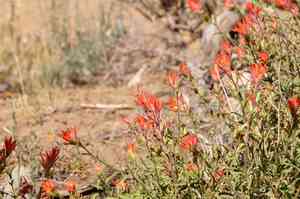
Heckard's indian paintbrush (Castilleja montigena)
Also known as: Mountain Indian paintbrush
Heckard's Indian paintbrush (Castilleja xanthotricha) is an alpine wildflower distinguished by its bright, yellow-green bracts that often outshine the smaller, less noticeable flowers they encase. It typically prospers in high-altitude meadows, where its vivid coloration and unique flower structure draw in pollinators like hummingbirds and bees, vital for its survival in such demanding environments. Its resilience in rocky, well-drained soils and its semi-parasitic ability to extract nutrients from nearby plants underscore its specialized adaptations for thriving in high-mountain regions.
In This Article
Attributes of Heckard's indian paintbrush
Lifespan
Perennial
Plant Type
Herb
Plant Height
12-24 inches
Spread
N/A
Leaf Color
Green
Flower Size
0.5-1 inch
Flower Color
Red, Orange
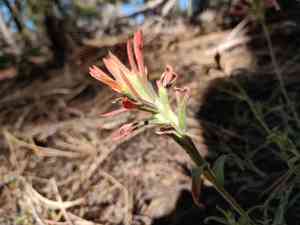
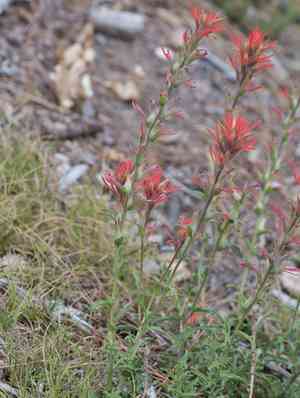
Images of Heckard's indian paintbrush
Quickly Identify Heckard's indian paintbrush
1
Castilleja montigena can be identified by its bright, bract-like floral leaves that often have shades of red or orange. The plant has lobed leaves and grows to an intermediate height with clustered flower heads.
Scientific Classification of Heckard's indian paintbrush
Phylum
Vascular plants
Class
Dicotyledons
Order
Lamiales
Family
Broomrape
Genus
Indian paintbrush
Species
Heckard's indian paintbrush
Planting and Growing of Heckard's indian paintbrush
Care Difficulty
Moderate
Watering Schedule
Every 2 days
Sunlight Requirements
Full sun
Sunshine Duration
4-8 hours
Ideal Temperature
60-75℉
Soil Type
Potting Mix, Peat Mix
Soil pH
6.5-7.5
Fertilizer Type
Balanced
Pruning Season
Spring, Summer
Pruning Area
Branches, Leaves
Pruning Frequency
2 times a year
Repotting Season
Spring
Pot Type
Plastic, Ceramic
 How to Water Heckard's indian paintbrush?
Castilleja montigena, also known as a mountain paintbrush, prefers a moderate amount of water. Watering should ensure the soil is moist but not soggy. Once reaching 200 ml per watering session, the goal is to sustain a consistent, moderate soil dampness, avoiding both desiccation and waterlogging.
What are the symptoms of an underwatered Heckard's indian paintbrush?
›
What should I do if my Heckard's indian paintbrush is not getting enough water?
›
What are the symptoms of an overwatered Heckard's indian paintbrush?
›
How to save an overwatered Heckard's indian paintbrush?
›
 What Are the Sunlight Requirements for Heckard's indian paintbrush?
Castilleja montigena ideally needs full sun to partial sun exposure for six to eight hours daily. Adequate light ensures its bright coloration and robust health, solidifying its role in its native ecosystem.
How much light is ideal?
›
What solutions can achieve ideal light conditions?
›
What are the benefits of ideal lighting?
›
 What Is the Ideal Temperature Range for Heckard's indian paintbrush?
The ideal temperature range for growing Castilleja montigena is between 60°F and 75°F. Within this range, the plant can carry out its physiological and metabolic activities optimally. These temperatures offer an environment where water uptake, nutrient absorption, and photosynthesis can occur efficiently. It is crucial to maintain these temperatures to prevent stress that may slow down growth or affect flowering.
 What Soil is Best for Heckard's indian paintbrush?
Castilleja montigena thrives in well-drained soils which prevent waterlogging. This ensures that the roots are oxygen-rich and helps to avoid root rot, ensuring the plant remains healthy and vibrant. This plant prefers moderately fertile soil to support its growth. It benefits from a balanced nutrient level which leads to vibrant foliage and robust growth without encouraging excessive foliage at the expense of flowers. The soil should maintain adequate moisture without being waterlogged. This balance supports the plant's growth and helps it endure periods of less rainfall, keeping the plant hydrated and healthy.
 How to Fertilize Heckard's indian paintbrush?
For Castilleja montigena, it's essential to be careful with the amount of fertilizer you apply. Generally, using a diluted liquid fertilizer at half strength is advisable to prevent nutrient burn. Solid fertilizers should be applied sparingly, with a focus on low-nitrogen formulations to mimic their natural habitat conditions.
 How to Prune Heckard's indian paintbrush?
Be cautious not to remove more than one-third of the plant at a time, as excessive pruning can stress the plant and inhibit flowering. Pruning should ideally be done in the cooler parts of the day to prevent the plant from being exposed to the stress of direct sunlight. As you prune, inspect for signs of pests like aphids or mites and take prompt action to treat any infestations. Sanitize pruning tools before and after use to minimize the spread of potential diseases among your plants. Keep an eye on the plant post-pruning to ensure it recovers well and make necessary adjustments to your care routine if needed.
More About Pruning Techniques→
 How to Propagate Heckard's indian paintbrush plant?
1
Before planting, soak the seeds in water for 24 hours to soften the outer layer. This soaking process can improve germination rates by allowing water to penetrate the seed coat more effectively.
2
Select healthy stems and cut just below a node. Each cutting should be about 5-10 cm long. Remove the leaves on the lower half to reduce moisture loss and dip the cut end in rooting hormone before planting.
3
Plant the seeds or cuttings in a well-draining soil mix. Keep the soil consistently moist but not waterlogged. Maintain a warm and humid environment, ideally with indirect sunlight to promote root growth.
 How to Repot Heckard's indian paintbrush plant?
1
Castilleja montigena shows signs of needing repotting when its roots start circling the pot's bottom or poking out of the drainage holes. Look for decreased growth vigor, wilting, or soil that doesn't retain moisture well. These indicators suggest that the plant requires a new space to flourish.
2
Select a pot that is one or two sizes larger than the current one. Ensure it has proper drainage holes to prevent waterlogging, which can lead to root rot. A terracotta pot can be an excellent choice as it breathes well, helping to keep the roots dry and healthy.
3
Opt for a well-draining potting mix to ensure that excess water can escape easily. This helps prevent root rot and promotes healthier root growth. A soil mix with sand or perlite is ideal as it allows sufficient aeration and fast draining.



