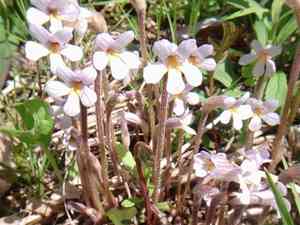
Giant red Indian paintbrush (Castilleja miniata)
Also known as: Greater red Indian-paintbrush, Common red paintbrush
The giant red Indian paintbrush (Castilleja miniata) is a perennial wildflower that relies on parasitism, attaching to the roots of neighboring plants to obtain nutrients. It thrives in meadows, forest clearings, and woodland regions, particularly in areas with moist, well-drained soils.
In This Article
Attributes of Giant red Indian paintbrush
Lifespan
Perennial
Plant Type
Herb
Plant Height
80 cm
Spread
10 cm to 50 cm
Leaf Color
Green
Flower Size
1.5 cm to 6 cm
Flower Color
Red Orange Pink
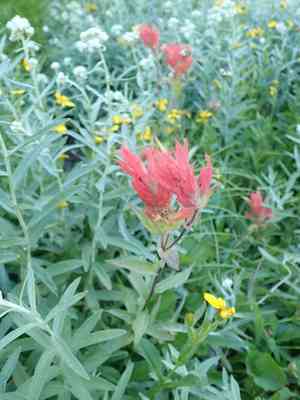
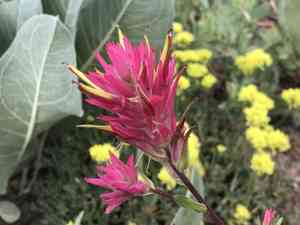
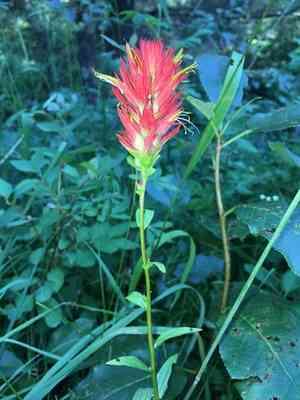
Images of Giant red Indian paintbrush
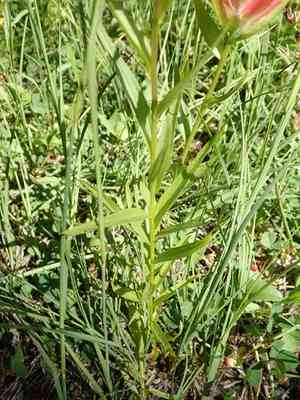
Quickly Identify Giant red Indian paintbrush
1
Castilleja miniata can be identified by its unique red bracts that surround a cluster of smaller, less conspicuous yellow-green flowers. The leaves are narrow and lance-shaped, and the plant can grow up to 70 cm tall.
Scientific Classification of Giant red Indian paintbrush
Phylum
Vascular plants
Class
Dicotyledons
Order
Lamiales
Family
Broomrape
Genus
Indian paintbrush
Species
Giant red Indian paintbrush
Planting and Growing of Giant red Indian paintbrush
Care Difficulty
Hard
Watering Schedule
Every 3 days
Sunlight Requirements
Partial sun
Sunshine Duration
6-10 hours
Ideal Temperature
60-75℉
Soil Type
Potting Mix, Peat Mix
Soil pH
6.5-7.5
Fertilizer Type
Balanced
Pruning Season
Spring, Summer
Pruning Area
Branches, Leaves
Pruning Frequency
2 times a year
Repotting Season
Spring
Pot Type
Plastic, Terracotta
 How to Water Giant red Indian paintbrush?
When watering Castilleja miniata, aim for about 200 ml of water each time. The goal is to keep the soil slightly damp but not waterlogged, ensuring moisture reaches the roots without oversaturating the soil. Adjust according to temperature and humidity conditions.
What are the symptoms of an underwatered Giant red Indian paintbrush?
›
What should I do if my Giant red Indian paintbrush is not getting enough water?
›
What are the symptoms of an overwatered Giant red Indian paintbrush?
›
How to save an overwatered Giant red Indian paintbrush?
›
 What Are the Sunlight Requirements for Giant red Indian paintbrush?
Castilleja miniata ideally requires partial to full sun conditions. This exposure helps in maintaining vibrant flower colors and robust health, facilitating optimal energy production and growth.
More About Sunlight Requirements Techniques→
Ideal Location
›
Strategic Positioning
›
Seasonal Adjustments
›
 What Is the Ideal Temperature Range for Giant red Indian paintbrush?
The ideal temperature range for Castilleja miniata, a native wildflower of the North American meadows and moist woodlands, should ideally be between 60 to 75°F. This range provides optimal conditions for physiological activities necessary for photosynthesis, growth, and flowering. Maintaining this temperature range will ensure the plant thrives and produces its characteristic vibrant bracts.
 What Soil is Best for Giant red Indian paintbrush?
Castilleja miniata thrives in well-drained soils which prevent waterlogging, ensuring the roots don't become oversaturated. This is crucial for maintaining healthy root systems and allowing the plant to access necessary nutrients without stress. A nutrient-rich soil is vital for Castilleja miniata as it supports vibrant growth and flowering. The abundance of organic matter enriched with essential minerals helps the plant produce its signature bright red blooms efficiently. The plant prefers a slightly acidic soil with a pH between 6.5 and 7.5. This pH range helps in optimizing the availability of essential nutrients and improving aluminum solubility, beneficial for the overall health of the plant.
 How to Fertilize Giant red Indian paintbrush?
For Castilleja miniata, it's vital to supply nutrients in moderation. Starting with a concentration of 1 teaspoon of balanced liquid fertilizer in a gallon of water is often sufficient. This helps provide the necessary nutrients without risking root burn or nutrient overload. Adjustments can be made based on the plant's response and growth needs.
 How to Prune Giant red Indian paintbrush?
Begin by using clean, sharp pruning shears to make precise cuts. Focus on removing dead or diseased stems first. Trim back any overly leggy or unruly growth to maintain the plant’s shape. It’s best to make your cuts just above a leaf node, as this encourages bushier growth. If the plant is becoming too dense, selectively prune congested areas to enhance air circulation. Always step back after each cut to assess the plant’s balance and shape. Regular pruning not only keeps Castilleja miniata looking attractive but also directs the plant's energy towards healthy new growth. During blooming, cutting back spent flowers can redirect energy into producing more vibrant blooms. Ensure not to over-prune, as the plant may become stressed and reduce its flowering potential.
More About Pruning Techniques→
 How to Propagate Giant red Indian paintbrush plant?
1
Seeds of Castilleja miniata should be collected from mature plants once the seed heads have dried. Ensure seeds are fully matured and dry to improve germination success.
2
Fill seed trays with a well-draining potting soil mix. Firm the soil slightly to create a level surface for sowing the seeds evenly across the tray.
3
Sow the seeds thinly and evenly over the prepared seed tray surface, lightly cover with a fine layer of soil or vermiculite to keep seeds in place and provide a consistent moisture level.
 How to Repot Giant red Indian paintbrush plant?
1
Look for signs such as roots growing out of the drainage holes, soil that dries out too quickly, or if the plant appears too large for its pot. These are key indicators that it’s time to give your Castilleja miniata a new home.
2
Choose a pot that is slightly larger than the current one, with multiple drainage holes to ensure excess water can escape, preventing root rot. A pot with adequate drainage will help maintain a healthy root system, vital for the plant's growth.
3
Opt for a well-draining, loose soil mix to replicate the plant's natural environment and prevent waterlogging. A suitable soil mix promotes root aeration and proper nutrient absorption, enhancing the plant’s overall vitality.



