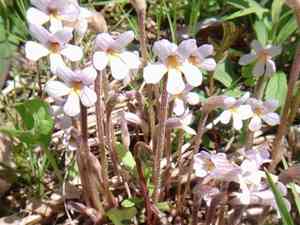
Mendocino coast indian paintbrush (Castilleja mendocinensis)
Also known as: Mendocino Coast Paintbrush, Mendocino Coast Indian Paintbrush
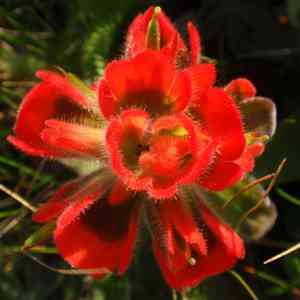
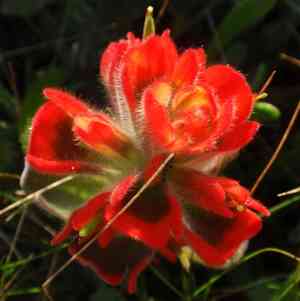
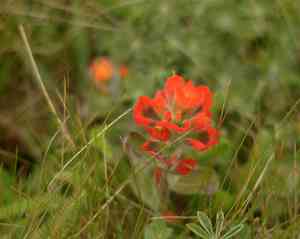
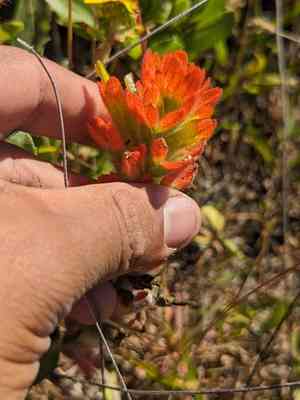
The Mendocino coast Indian paintbrush is a rare perennial herb known for its striking reddish-orange bracts, which resemble flames. This plant flourishes in the coastal dunes and bluffs of Mendocino County, California. It prefers sandy, well-drained soils and relies on full to partial sunlight. The vivid coloration of its bracts attracts pollinators, particularly hummingbirds, which play a crucial role in its reproductive process.
In This Article
Attributes of Mendocino coast indian paintbrush
Lifespan
Perennial
Plant Type
Herb
Plant Height
10-30 cm
Spread
10-30 cm
Leaf Color
Green
Flower Size
1-2 cm
Flower Color
Red to orange
Images of Mendocino coast indian paintbrush
Quickly Identify Mendocino coast indian paintbrush
1
To identify Castilleja mendocinensis, look for its distinctive brightly colored bracts, which can range from red to orange. The flowers are tubular and inconspicuous, surrounded by more prominent bracts. The leaves are narrow, and generally lance-shaped. This plant usually grows in coastal regions, so its location can also be an identifying factor.
Scientific Classification of Mendocino coast indian paintbrush
Phylum
Vascular plants
Class
Dicotyledons
Order
Lamiales
Family
Broomrape
Genus
Indian paintbrush
Species
Mendocino coast indian paintbrush
Planting and Growing of Mendocino coast indian paintbrush
Care Difficulty
Hard
Watering Schedule
Every 4 days
Sunlight Requirements
Partial sun
Sunshine Duration
4-6 hours
Ideal Temperature
60-75℉
Soil Type
Potting Mix, Peat Mix
Soil pH
6.5-7.5
Fertilizer Type
Balanced
Pruning Season
Spring, Summer
Pruning Area
Branches, Leaves
Pruning Frequency
Once a year
Repotting Season
Spring
Pot Type
Plastic, Ceramic
 How to Water Mendocino coast indian paintbrush?
The suggested watering amount for Castilleja mendocinensis is approximately 250 milliliters per session. Ensure that the soil is evenly moist but not soggy, allowing excess water to drain through completely. This approach prevents root rot while providing enough hydration for growth.
What are the symptoms of an underwatered Mendocino coast indian paintbrush?
›
What should I do if my Mendocino coast indian paintbrush is not getting enough water?
›
What are the symptoms of an overwatered Mendocino coast indian paintbrush?
›
How to save an overwatered Mendocino coast indian paintbrush?
›
 What Are the Sunlight Requirements for Mendocino coast indian paintbrush?
Castilleja mendocinensis thrives in partial sunlight with about 4-6 hours of daily light. Ideal lighting helps maintain vibrant blooms and robust foliage, crucial for its health and ecosystem role.
How much sunlight does Castilleja mendocinensis require?
›
What are the best locations for growing this plant?
›
Why is partial sunlight beneficial for this plant?
›
 What Is the Ideal Temperature Range for Mendocino coast indian paintbrush?
The ideal temperature range for Castilleja mendocinensis typically lies between 60°F and 75°F. This range supports optimal growth and flowering, ensuring the plant receives the necessary warmth for photosynthesis and respiration. Maintaining this range helps in the successful cultivation of vibrant and healthy plants.
 What Soil is Best for Mendocino coast indian paintbrush?
Castilleja mendocinensis thrives in well-draining soils to prevent root rot. Ensuring soil drainage supports healthy root development and optimal nutrient uptake. The plant prefers moderately fertile soils, balancing nutrient availability without excess. This helps maintain vigorous growth and vibrant blooms. While good drainage is essential, maintaining consistent soil moisture is crucial to prevent wilting, ensuring continued growth and resistance to environmental stress.
 How to Fertilize Mendocino coast indian paintbrush?
Castilleja mendocinensis does not require a large amount of fertilizer due to its adaptation to nutrient-poor environments. When fertilizing, use a balanced, diluted liquid fertilizer (1/4 strength) to avoid overfeeding and maintain a healthy growth rate.
 How to Prune Mendocino coast indian paintbrush?
Ensure you use clean, sharp pruning shears or scissors to make precise cuts and reduce the risk of disease transmission. Dull tools can cause ragged cuts that may harm the plant's tissues. Look for dead or damaged stems and leaves, which appear dry, brittle, or discolored. Removing these parts will maintain the plant's health and direct its energy towards newer growth. Castilleja mendocinensis can be shaped by trimming back overgrown branches. Aim to maintain a compact, balanced form that allows sunlight to penetrate through the plant, enhancing overall vitality. Cut back the plant after flowering to encourage further blooming. By removing spent blooms, you prevent seed formation and encourage the plant to invest energy in producing more flowers.
More About Pruning Techniques→
 How to Propagate Mendocino coast indian paintbrush plant?
1
Collect seeds from mature plants in late summer. Allow seed heads to dry on the plant before harvesting to ensure seed viability.
2
Cut a 6-inch section from a healthy parent plant using sterilized shears. Trim any leaves closer to the base to reduce moisture loss during rooting.
3
Prepare a propagation tray with a mix of sterile peat and sand. The medium should be moist but not waterlogged to prevent rot.
 How to Repot Mendocino coast indian paintbrush plant?
1
Recognizing when to repot Castilleja mendocinensis involves observing its root system; if roots are peeking through the drainage holes or they're becoming tightly bound, it's time for a new home. Typically, these signs emerge annually to biennially, signaling that the plant has outgrown its current space and requires fresh soil and room to flourish.
2
Selecting an appropriate pot for Castilleja mendocinensis involves choosing one that's slightly larger than the current one, with good drainage holes. This prevents waterlogging and root rot, allowing the plant to maintain optimal moisture balance and air circulation around the roots.
3
The ideal soil for repotting Castilleja mendocinensis is a well-draining sandy loam. This soil type ensures that excess moisture doesn't suffocate the roots, while providing the necessary nutrients and structure for proper root development and plant vitality.



