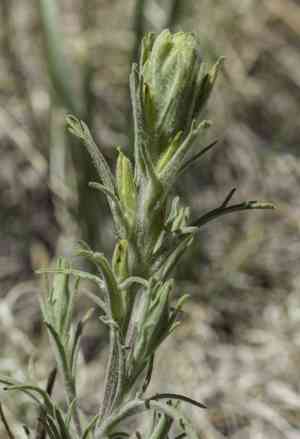
Marshmeadow indian paintbrush (Castilleja lineata)
Also known as: Indian Paintbrush, Prairie-fire
The Marshmeadow Indian Paintbrush (Castilleja palustris) stands out due to its vibrant, tubular flowers in shades of red, orange, and occasionally yellow. These flowers are complemented by brightly colored bracts, often mistaken for petals, adding to its striking look. The plant features narrow, lance-shaped leaves and typically reaches heights of 20-60 cm.
Preferred Habitat:
- Wet meadows
- Marshes
- Stream banks
- Prefers areas with full to partial sunlight
These environments offer the moist, nutrient-rich soil essential for the Marshmeadow Indian Paintbrush's growth, allowing it to thrive and attract pollinators.
In This Article
Attributes of Marshmeadow indian paintbrush
Lifespan
Perennial
Plant Type
Herb
Plant Height
30-60 cm
Spread
10-30 cm
Leaf Color
Green
Flower Size
0.5-1 cm
Flower Color
Red, Orange
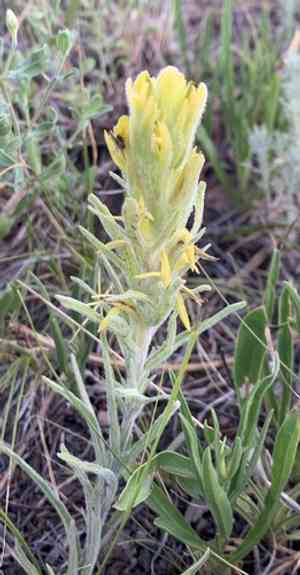
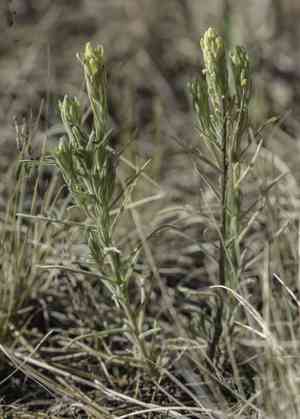
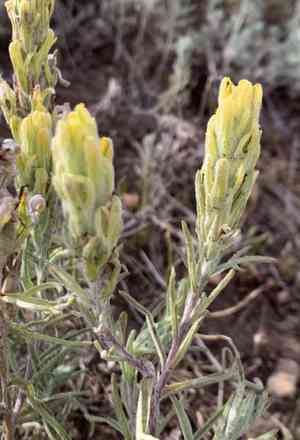
Images of Marshmeadow indian paintbrush
Quickly Identify Marshmeadow indian paintbrush
1
To identify Castilleja lineata, look for bright red to orange bracts that surround the small, inconspicuous flowers. The plant often grows in clusters and can reach heights of up to 60 cm. The leaves are lance-shaped and may have a slightly hairy texture.
Scientific Classification of Marshmeadow indian paintbrush
Phylum
Vascular plants
Class
Dicotyledons
Order
Lamiales
Family
Broomrape
Genus
Indian paintbrush
Species
Marshmeadow indian paintbrush
Planting and Growing of Marshmeadow indian paintbrush
Care Difficulty
Moderate
Watering Schedule
Every 2 days
Sunlight Requirements
Partial sun
Sunshine Duration
4-6 hours
Ideal Temperature
60-75℉
Soil Type
Potting Mix, Peat Mix
Soil pH
6.5-7.5
Fertilizer Type
Balanced
Pruning Season
Spring, Summer
Pruning Area
Branches, Leaves
Pruning Frequency
2 times a year
Repotting Season
Spring
Pot Type
Plastic, Ceramic
 How to Water Marshmeadow indian paintbrush?
For Castilleja lineata, the watering amount should be approximately 250 milliliters each time. This amount ensures that the soil is adequately moist but not waterlogged. It’s important that the water permeates through the soil to reach the roots, but the surface should not have standing water. The principle here is to allow the soil to dry out slightly between waterings to mimic its natural dry habitat.
What are the symptoms of an underwatered Marshmeadow indian paintbrush?
›
What should I do if my Marshmeadow indian paintbrush is not getting enough water?
›
What are the symptoms of an overwatered Marshmeadow indian paintbrush?
›
How to save an overwatered Marshmeadow indian paintbrush?
›
 What Are the Sunlight Requirements for Marshmeadow indian paintbrush?
Partial sun exposure, providing 4-6 hours daily, is beneficial. This balance helps maintain vibrant leaf color and supports the plant's reproductive cycle without overstressing it.
Best Time to Plant
›
Location Selection
›
Using Mulch Strategically
›
 What Is the Ideal Temperature Range for Marshmeadow indian paintbrush?
The ideal temperature range for Cultivating Castilleja lineata is between 60°F and 75°F. This range provides the necessary warmth for optimal photosynthesis and growth, ensuring the plant can thrive and develop robustly.
 What Soil is Best for Marshmeadow indian paintbrush?
Castilleja lineata prefers soils with excellent drainage to prevent root rot. Well-drained soil ensures that the roots receive adequate oxygen, which is essential for robust growth, and reduces the risk of fungal infections. This plant thrives in nutrient-rich conditions, as these provide essential nutrients for growth and flowering. Rich soil boosts the plant's health, leading to vibrant and sustained blooms throughout its growing season. The soil should retain some moisture but must not become waterlogged. This balance helps maintain the plant’s hydration needs while avoiding any detrimental effects of excess water, thus supporting consistent growth.
 How to Fertilize Marshmeadow indian paintbrush?
For Castilleja lineata, it's important to use a balanced fertilizer with an NPK ratio of 10-10-10. When using liquid fertilizer, apply approximately 1/4 cup diluted in a gallon of water per plant. For slow-release fertilizers, apply about 1 tablespoon per plant annually.
 How to Prune Marshmeadow indian paintbrush?
Start by removing any dead or diseased parts of the plant, this is essential to prevent the spread of pathogens. Next, trim back the longer stems to maintain a compact shape, using clean, sharp scissors or pruning shears. Keep an eye on the plant's natural habit to guide your cuts and step back occasionally to assess your work from a distance.
More About Pruning Techniques→
 How to Propagate Marshmeadow indian paintbrush plant?
1
Seeds should be collected from mature plants once the seed capsules have dried. They should be stored in a cool, dry place until you are ready to plant.
2
Prepare seedbeds with well-drained soil. It is important to incorporate organic matter to improve soil structure and fertility for optimal seedling growth.
3
Select healthy stems to take cuttings, ideally just below a node. Cuttings should be about 10 cm long. Remove the lower leaves and dip the base in rooting hormone before planting.
 How to Repot Marshmeadow indian paintbrush plant?
1
Repot Castilleja lineata when you notice roots growing out of the drainage holes or when the plant becomes too big for its current pot. These signs usually appear every 1 to 2 years, indicating it's time for a new home.
2
Select a pot that is one size larger than the current one. The material should ensure proper drainage such as unglazed clay. This helps prevent waterlogging while allowing root expansion, crucial for this species.
3
Use a well-draining sandy soil mix to mimic its natural environment. This kind of soil prevents root rot and ensures the plant receives adequate nutrition while facilitating good air circulation around the roots.



