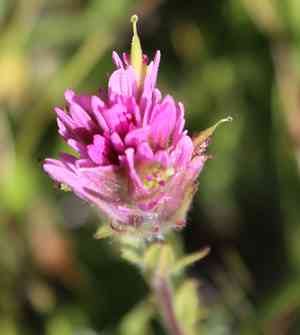
Lemmon's indian paintbrush (Castilleja lemmonii)
Also known as: Lemmon's Indian paintbrush
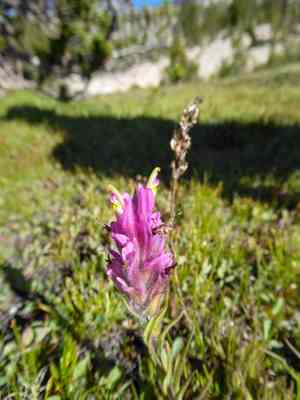
Castilleja lemmonii, also known as Lemmon's Indian paintbrush, thrives in the high-altitude regions of the Sierra Nevada and Southern Cascade Range in California. This perennial herb typically reaches a height of 10 to 20 cm. The leaves are linear to narrowly lance-shaped, measuring 2 to 4 cm in length. Its inflorescence features numerous greenish bracts with striking purple or pink tips.
In This Article
Attributes of Lemmon's indian paintbrush
Lifespan
Perennial
Plant Type
Herb
Plant Height
6-12 inches
Spread
Varies, typically around 6-12 inches
Leaf Color
Green
Flower Size
0.5-1 inch
Flower Color
Red, Orange
Images of Lemmon's indian paintbrush
Quickly Identify Lemmon's indian paintbrush
1
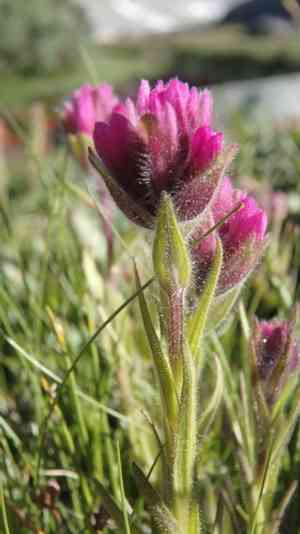
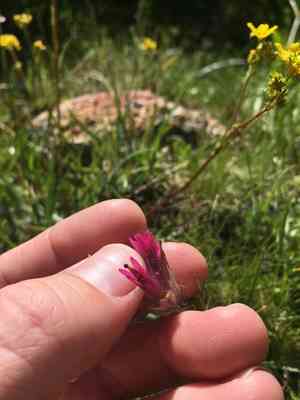
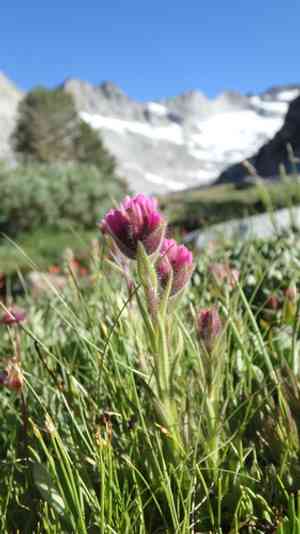
This plant can be identified by its bright red to orange-colored bracts that surround the small, less conspicuous flowers. The leaves are generally linear and may sometimes be divided into lobes.
Scientific Classification of Lemmon's indian paintbrush
Phylum
Vascular plants
Class
Dicotyledons
Order
Lamiales
Family
Broomrape
Genus
Indian paintbrush
Species
Lemmon's indian paintbrush
Planting and Growing of Lemmon's indian paintbrush
Care Difficulty
Hard
Watering Schedule
Every 2 days
Sunlight Requirements
Full sun
Sunshine Duration
6-10 hours
Ideal Temperature
50-70℉
Soil Type
Potting Mix, Peat Mix
Soil pH
6.5-7.5
Fertilizer Type
Balanced
Pruning Season
Spring, Summer
Pruning Area
Branches, Leaves
Pruning Frequency
2 times a year
Repotting Season
Spring
Pot Type
Plastic, Ceramic
 How to Water Lemmon's indian paintbrush?
The watering amount for Castilleja lemmonii should be about 150 milliliters per session. This plant thrives in conditions where its soil is consistently moist but not waterlogged. It's essential to ensure the water penetrates deeply into the soil rather than just wetting the surface. Aim to water until you see some drainage at the bottom of the pot, indicating adequate saturation.
What are the symptoms of an underwatered Lemmon's indian paintbrush?
›
What should I do if my Lemmon's indian paintbrush is not getting enough water?
›
What are the symptoms of an overwatered Lemmon's indian paintbrush?
›
How to save an overwatered Lemmon's indian paintbrush?
›
 What Are the Sunlight Requirements for Lemmon's indian paintbrush?
Partial to full sun exposure is ideal, allowing Castilleja lemmonii to flower magnificently and sustain a lush, healthy appearance.
What are the ideal lighting conditions for Castilleja lemmonii?
›
How can you ensure ideal light conditions for Castilleja lemmonii?
›
What benefits do ideal lighting conditions provide to Castilleja lemmonii?
›
 What Is the Ideal Temperature Range for Lemmon's indian paintbrush?
Castilleja lemmonii thrives in a temperature range between 50°F to 70°F. This range offers optimal conditions for the plant's physiological processes. Maintaining these temperatures ensures proper growth and flowering, as extreme temperatures can cause stress and hinder development.
 What Soil is Best for Lemmon's indian paintbrush?
The soil must allow excess water to drain away quickly to prevent root rot. Well-drained soils prevent waterlogging, ensuring roots have access to air, which is crucial for the plant's health. While Castilleja lemmonii is adaptable, a soil rich in organic matter promotes vigorous growth by providing essential nutrients. This enriches the plant's ability to produce its striking flowers. The soil should retain enough moisture to support the plant during dry spells, without becoming overly saturated. This balance helps sustain the plant during less frequent watering.
 How to Fertilize Lemmon's indian paintbrush?
For Castilleja lemmonii, it is essential to provide a balanced approach to fertilization. Use a dilute solution of liquid fertilizer at half-strength for liquid applications and ensure that the soil doesn't become too rich, as this can lead to reduced flowering.
 How to Prune Lemmon's indian paintbrush?
Start by identifying any dead or unhealthy stems, as well as older branches that might be hindering new growth. These should be pruned to make way for fresher growth. Focus on areas that look overgrown and restrict sunlight to other parts of the plant. Use sharp, clean pruning shears to make clean cuts at an angle, which aids in reducing disease risk and water retention. Always trim back to a node or a branch junction for the best results. That way, new growth will be healthy and well-positioned. After pruning, give your Castilleja lemmonii some general care like watering and feeding to promote recovery. Keep an eye on the weather conditions and avoid watering the cut wounds, as this might invite pests or diseases.
More About Pruning Techniques→
 How to Propagate Lemmon's indian paintbrush plant?
1
Collect seeds from mature Castilleja lemmonii plants, preferably in late summer when seeds are dry and ready for collection. Ensure seeds are fully ripened and avoid collecting during wet conditions to prevent mold growth.
2
Prepare seed trays with a mix of half sand and half potting soil. Sow the seeds evenly across the surface and lightly cover them with a thin layer of soil. Water gently to settle the soil.
3
Place a clear plastic cover over the seed trays to maintain a humid environment. Check regularly to ensure adequate moisture levels and remove the cover periodically to allow air circulation.
 How to Repot Lemmon's indian paintbrush plant?
1
Look for signs like root-bound plant, reduced growth, or dry soil even after watering. These are strong indicators that your Castilleja lemmonii needs a new home to flourish.
2
Opt for a pot only slightly larger than the current one, with excellent drainage. This prevents root rot and helps manage water absorption better, which is crucial for Castilleja lemmonii.
3
Choose a well-draining sandy soil mix. This mimics its natural rocky habitats, ensuring proper drainage and providing the root system with essential conditions to thrive.
Learn More About Lemmon's indian paintbrush Diseases
Anthracnose
Bacterial Leaf Spot
Bacterial Wilt
Crown Gall
Cyst Nematode
Damping-off
Downy Mildew
Drought Stress
Fusarium Wilt
Gray Mold
Leaf Spot
Mosaic
Nutrient Deficiency
Nutrient Toxicity
Powdery Mildew
Root Rot
Root-knot Nematode
Rusts
Sooty Mold
Spider Mites
Temperature Stress
Thrips Damage
White Mold



