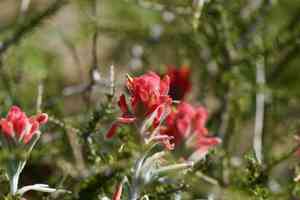
Sierra woolly indian paintbrush (Castilleja lanata)
Also known as: Woolly Indian paintbrush
The Sierra woolly indian paintbrush is a perennial herb characterized by its dense covering of white hairs, which helps it survive in its alpine and subalpine environments. These woolly hairs provide essential protection against extreme temperatures and reduce moisture loss. The plant features narrow leaves and tubular flowers that appear in shades of yellow to bronze, emerging from colorful bracts that resemble petals. This unique structure and coloration are vital for attracting local pollinators.
In This Article
Attributes of Sierra woolly indian paintbrush
Lifespan
Perennial
Plant Type
Herb
Plant Height
30 to 70 cm
Spread
Approximately 30 cm
Leaf Color
Green, often covered with woolly hairs
Flower Size
2 to 3 cm
Flower Color
Red, orange, yellow
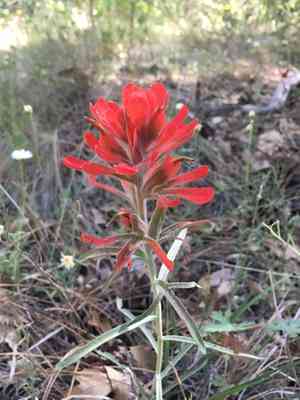
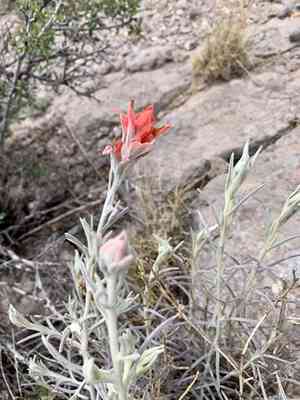
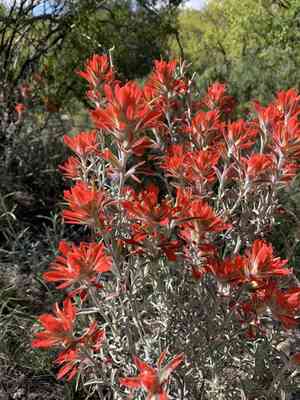
Images of Sierra woolly indian paintbrush
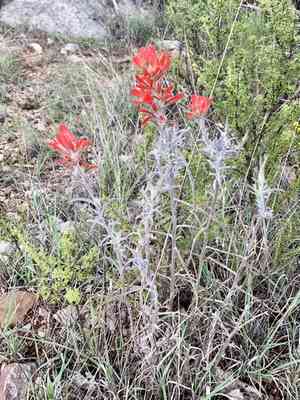
Quickly Identify Sierra woolly indian paintbrush
1
Easily identifiable by its woolly, hairy leaves and brightly colored bracts which surround the true flowers. The plant\'s height and vibrant flower coloration also make it stand out in its native habitats.
Scientific Classification of Sierra woolly indian paintbrush
Phylum
Vascular plants
Class
Dicotyledons
Order
Lamiales
Family
Broomrape
Genus
Indian paintbrush
Species
Sierra woolly indian paintbrush
Planting and Growing of Sierra woolly indian paintbrush
Care Difficulty
Hard
Watering Schedule
Every 2 days
Sunlight Requirements
Full sun
Sunshine Duration
6-10 hours
Ideal Temperature
60-75℉
Soil Type
Potting Mix, Peat Mix
Soil pH
6.5-7.5
Fertilizer Type
Balanced
Pruning Season
Spring, Summer
Pruning Area
Branches, Leaves
Pruning Frequency
2 times a year
Repotting Season
Spring
Pot Type
Plastic, Ceramic
 How to Water Sierra woolly indian paintbrush?
When watering Castilleja lanata, aim for about 250 milliliters each time. Ensure that the soil is evenly moist but do not let it become waterlogged. The water should seep through the soil, reaching the roots without leaving puddles on the surface.
What are the symptoms of an underwatered Sierra woolly indian paintbrush?
›
What should I do if my Sierra woolly indian paintbrush is not getting enough water?
›
What are the symptoms of an overwatered Sierra woolly indian paintbrush?
›
How to save an overwatered Sierra woolly indian paintbrush?
›
 What Are the Sunlight Requirements for Sierra woolly indian paintbrush?
Full sunlight, particularly during its growth period, enhances Castilleja lanata's flowering and resilience. Ideal lighting supports lush, colorful bracts, promoting stronger and healthier plants ready to thrive against environmental challenges.
What is the ideal amount of sunlight?
›
Solutions to achieve ideal sunlight conditions?
›
Benefits of receiving ideal sunlight?
›
 What Is the Ideal Temperature Range for Sierra woolly indian paintbrush?
The ideal temperature range for Castilleja lanata cultivation is between 60°F and 75°F. This range supports optimal growth and flowering, providing the best conditions for photosynthesis and nutrient uptake. Keeping the temperature within this range ensures that the plant thrives, receives enough light and avoids temperature stress.
 What Soil is Best for Sierra woolly indian paintbrush?
Castilleja lanata thrives in well-draining soil to prevent root rot, which allows for adequate water retention without oversaturation. Well-drained conditions ensure that the roots receive oxygen, which is vital for healthy growth. This plant requires nutrient-rich substrates to support its growth. A good mix of organic matter within the soil helps promote robust development. Nutrients like nitrogen, phosphorus, and potassium are crucial for its vibrant flowers and healthy foliage. Castilleja lanata prefers slightly alkaline soil conditions due to its native habitats. A pH around 6.5 to 7.5 mimics these natural conditions, enabling the plant to maximize nutrient uptake and maintain optimal health.
 How to Fertilize Sierra woolly indian paintbrush?
For Castilleja lanata, apply a balanced liquid fertilizer at a rate of half the recommended dose for flowering plants. This plant benefits from a light feeding regimen to ensure adequate nutrient intake without the risk of over-fertilization.
 How to Prune Sierra woolly indian paintbrush?
Begin by assessing the entire plant to identify any dead or damaged stems. Use clean, sharp pruning shears to trim these parts, cutting back to healthy tissue. Focus on thinning crowded areas to improve light penetration. Shape the plant by selectively trimming branches, but avoid cutting more than one-third of the plant to prevent stress. Clean your tools after use to prevent the spread of diseases.
More About Pruning Techniques→
 How to Propagate Sierra woolly indian paintbrush plant?
1
Begin by collecting fresh seeds from mature plants. Clean the seeds to remove any debris before sowing in a well-draining soil mix. It's important to ensure the seeds are viable and free from diseases.
2
Select healthy stems for cuttings in early spring. Use a sterile knife to make clean cuts below a leaf node, ensuring each cutting is 4-6 inches long, and remove the lower leaves.
3
Sow the seeds thinly in trays filled with potting soil, or plant cuttings in a rooting medium, covering the base of each cutting. Keep the medium moist and provide indirect light to encourage growth.
 How to Repot Sierra woolly indian paintbrush plant?
1
Repotting Castilleja lanata is best done when you notice roots growing out of the drainage holes, the pot is consistently drying out quickly, or the plant seems to have stopped growing despite favorable conditions. These signs indicate that the plant has outgrown its current pot and needs more space to thrive.
2
Select a pot that is slightly larger in diameter than the current one, ideally by 1-2 inches. Make sure it has adequate drainage holes to prevent waterlogging. A porous material like terracotta is beneficial because it allows the roots to breathe and prevents overwatering, which is crucial for the health of Castilleja lanata.
3
Opt for a well-draining sandy soil mix to mimic the plant's natural habitat. This type of soil prevents water accumulation, reducing the risk of root rot. It also provides excellent aeration and keeps the roots healthy, allowing for proper nutrient uptake and robust growth.
Learn More About Sierra woolly indian paintbrush Diseases
Anthracnose
Bacterial Leaf Spot
Bacterial Wilt
Crown Gall
Cyst Nematode
Damping-off
Downy Mildew
Drought Stress
Fusarium Wilt
Gray Mold
Leaf Curl
Leaf Spot
Mosaic
Nutrient Deficiency
Nutrient Toxicity
Powdery Mildew
Root Rot
Root-knot Nematode
Rusts
Sooty Mold
Spider Mites
Temperature Stress
Thrips Damage
White Mold



