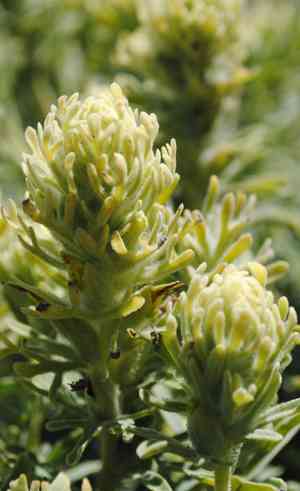
San clemente island indian paintbrush (Castilleja grisea)
Also known as: San Clemente Island Indian Paintbrush
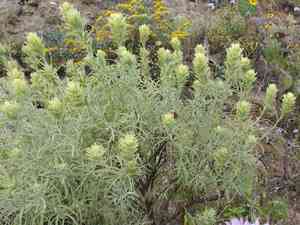
The San Clemente Island Indian Paintbrush contrasts its muted grayish-green leaves with striking red to orange bracts atop its stems. This vibrant coloration is key for attracting pollinators like hummingbirds and insects, which are essential for the plant's reproduction and survival in its rocky habitat.
In This Article
Attributes of San clemente island indian paintbrush
Lifespan
Perennial
Plant Type
Herb
Plant Height
20-60 cm (8-24 inches)
Spread
N/A
Leaf Color
Green
Flower Size
Approximately 2-3 cm (0.8-1.2 inches)
Flower Color
Orange to red
Images of San clemente island indian paintbrush
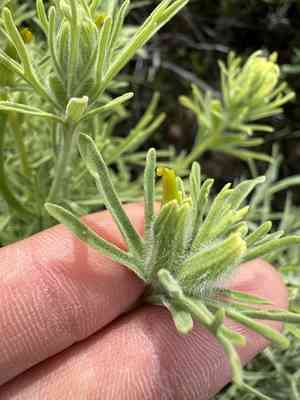
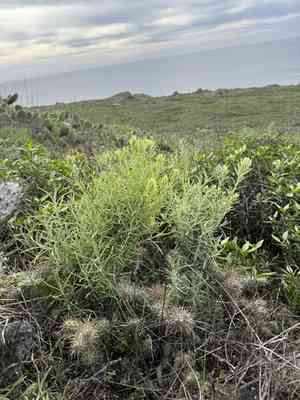
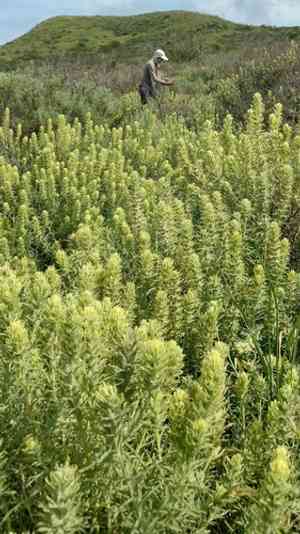
Quickly Identify San clemente island indian paintbrush
1
Identification of Castilleja grisea can be achieved by observing its lobed and hairy leaves, as well as its bright inflorescences that often have vibrant shades of orange, red, or yellow.
Scientific Classification of San clemente island indian paintbrush
Phylum
Vascular plants
Class
Dicotyledons
Order
Lamiales
Family
Broomrape
Genus
Indian paintbrush
Species
San clemente island indian paintbrush
Planting and Growing of San clemente island indian paintbrush
Care Difficulty
Moderate
Watering Schedule
Every 2 days
Sunlight Requirements
Full sun
Sunshine Duration
6-10 hours
Ideal Temperature
60-70℉
Soil Type
Potting Mix, Peat Mix
Soil pH
6.5-7.5
Fertilizer Type
Balanced
Pruning Season
Spring, Summer
Pruning Area
Branches, Leaves
Pruning Frequency
2 times a year
Repotting Season
Spring
Pot Type
Terracotta, Plastic
 How to Water San clemente island indian paintbrush?
Castilleja grisea, known for its resilience, requires a moderate watering approach. Each watering session should provide around 250 milliliters, ensuring the soil is moist but not waterlogged. The key is to let the soil dry out slightly between waterings, mimicking its natural arid habitat conditions. Over-saturation can lead to root rot, hence moderation is vital.
What are the symptoms of an underwatered San clemente island indian paintbrush?
›
What should I do if my San clemente island indian paintbrush is not getting enough water?
›
What are the symptoms of an overwatered San clemente island indian paintbrush?
›
How to save an overwatered San clemente island indian paintbrush?
›
 What Are the Sunlight Requirements for San clemente island indian paintbrush?
Partial sun and full sun exposure daily enhances this plant's health. Consistent light aids in optimal growth, vibrant color, and robust blooming.
What is the ideal lighting condition for Castilleja grisea?
›
How can one ensure the plant gets its ideal lighting?
›
What are the benefits of ideal lighting conditions for this plant?
›
 What Is the Ideal Temperature Range for San clemente island indian paintbrush?
The ideal temperature range for Castilleja grisea would be between 60°F and 70°F. This range allows for optimal growth and development, ensuring the plant's physiological processes occur without stress. Maintaining this range helps in achieving better foliage and flowering, vital for the plant's ornamental appreciation.
 What Soil is Best for San clemente island indian paintbrush?
Castilleja grisea thrives best in well-draining soil. This quality ensures that water does not stagnate around the roots, preventing root rot and allowing the plant to access necessary nutrients efficiently. This plant is adapted to survive in nutrient-poor soils, typical of its native environments. This helps it avoid competition with other plants, maintaining its natural balance and ensuring robust growth. While generally tolerable of a wide pH range, Castilleja grisea can handle slightly alkaline soils up to a pH of 7.5, which suits its native coastal areas where limestone may influence soil composition.
 How to Fertilize San clemente island indian paintbrush?
The Grey Castilleja, native to certain regions, prefers a light touch when it comes to fertilization. Apply a balanced liquid fertilizer diluted to half the recommended strength once a month. For slow-release fertilizer, use a low-nitrogen formula applied twice a year, in early spring and mid-summer. This plant benefits more from less frequent feedings, ensuring it can adapt to its naturally nutrient-poor habitats.
 How to Prune San clemente island indian paintbrush?
Start by examining your Castilleja grisea for any dead or dying branches. These will appear brown and brittle. Carefully remove them to make way for new growth. Trim the plant to preserve its natural shape, removing no more than one-third of the overall growth at a time. This prevents shock and helps the plant stay healthy. Make pruning cuts just above a node or a set of healthy leaves. This encourages new growth from a robust part of the plant, promoting vigorous regrowth.
More About Pruning Techniques→
 How to Propagate San clemente island indian paintbrush plant?
1
Select a well-draining medium such as a mix of sand and peat moss. It is important to sterilize the medium to prevent fungal growth and ensure a healthy starting environment for seeds or cuttings.
2
Scatter seeds evenly across the seed tray surface and lightly cover them with the growing medium. Maintain a consistent moisture level by using a gentle spray to avoid dislodging seeds.
3
Select healthy stems from the parent plant and use pruning shears to cut a piece approximately 4 inches in length. Dip in rooting hormone and insert into the prepared growing medium.
 How to Repot San clemente island indian paintbrush plant?
1
Repotting Castilleja grisea is essential when you see roots circling the bottom of the pot or emerging through the drainage holes. These are clear indicators that the plant has outgrown its current container and needs more space to flourish. Ideally, check every spring to ascertain if repotting is necessary.
2
Select a pot that is one size larger than the current one. Ensure the pot has adequate drainage holes to prevent waterlogging, which can lead to root rot. A suitable pot promotes healthy root development and provides stability to the top-heavy flower stalks during the growing season.
3
Choose a sandy, well-draining mix to mimic the plant's natural habitat. This type of soil prevents excess moisture retention, which is vital for preventing root rot. A well-draining soil mix ensures roots have access to air and can absorb nutrients efficiently, promoting healthier growth.
Learn More About San clemente island indian paintbrush Diseases
Anthracnose
Bacterial Leaf Spot
Bacterial Wilt
Chemical Injury
Crown Gall
Cyst Nematode
Damping-off
Downy Mildew
Drought Stress
Fusarium Wilt
Gray Mold
Leaf Curl
Leaf Spot
Mosaic
Nutrient Deficiency
Nutrient Toxicity
Powdery Mildew
Root Rot
Root-knot Nematode
Rusts
Sooty Mold
Spider Mites
Temperature Stress
Thrips Damage
White Mold



