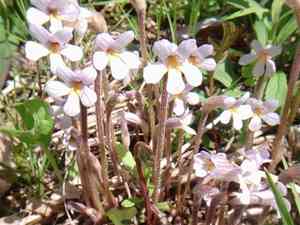
Denseflower indian paintbrush (Castilleja densiflora)
Also known as: Graceful owl's clover
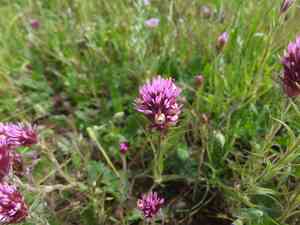
The plant typically stands between 10 to 40 centimeters in height. Its leaves are linear or lanceolate in shape, reaching up to 8 centimeters in length, and may have lobes or be lobeless. The inflorescence varies in length from 3 to 25 centimeters, accompanied by bracts that range in color from white to shades of pink or purple, which can be either muted or vibrant.
In This Article
Attributes of Denseflower indian paintbrush
Lifespan
Perennial
Plant Type
Herb
Plant Height
6 to 12 inches (15 to 30 cm)
Spread
N/A
Leaf Color
Green
Flower Size
0.2 to 0.5 inches (0.5 to 1.2 cm)
Flower Color
Pink, Purple, White, Yellow
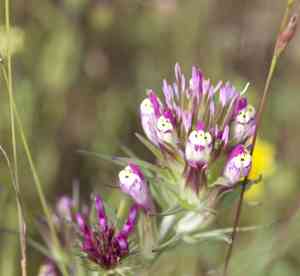
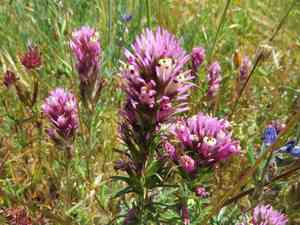
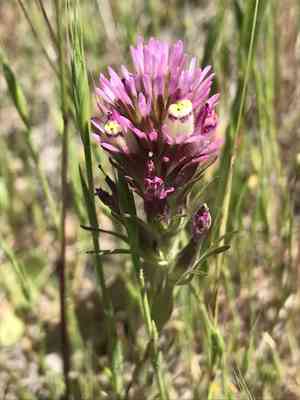
Images of Denseflower indian paintbrush
Quickly Identify Denseflower indian paintbrush
1
Look for the vibrant, densely clustered flower spikes with colorful bracts ranging from pink to purple. The plant typically grows in grasslands and open areas. Its leaves are narrow, often lobed, and somewhat hairy.
Scientific Classification of Denseflower indian paintbrush
Phylum
Vascular plants
Class
Dicotyledons
Order
Lamiales
Family
Broomrape
Genus
Indian paintbrush
Species
Denseflower indian paintbrush
Planting and Growing of Denseflower indian paintbrush
Care Difficulty
Moderate
Watering Schedule
Every 2 days
Sunlight Requirements
Full sun
Sunshine Duration
4-8 hours
Ideal Temperature
50-77℉
Soil Type
Potting Mix, Peat Mix
Soil pH
6.5-7.5
Fertilizer Type
Balanced
Pruning Season
Spring, Summer
Pruning Area
Branches, Leaves
Pruning Frequency
2 times a year
Repotting Season
Spring
Pot Type
Plastic, Ceramic
 How to Water Denseflower indian paintbrush?
For Castilleja densiflora, it's important to water it thoroughly but infrequently. Aim for about 250 ml per watering session, which is typically enough to moisten the soil without causing it to become waterlogged. Ensure that water permeates the entire root zone for optimal absorption.
What are the symptoms of an underwatered Denseflower indian paintbrush?
›
What should I do if my Denseflower indian paintbrush is not getting enough water?
›
What are the symptoms of an overwatered Denseflower indian paintbrush?
›
How to save an overwatered Denseflower indian paintbrush?
›
 What Are the Sunlight Requirements for Denseflower indian paintbrush?
Castilleja densiflora prospers with in the full sun, where exposure spans 6 to 8 hours daily. Ideal light fosters vigorous growth and abundant flowering, ensuring a healthy and vibrant plant.
What is the best type of light for Castilleja densiflora?
›
How can I ensure my Castilleja densiflora receives ideal lighting?
›
What benefits does ideal lighting have for Castilleja densiflora?
›
 What Is the Ideal Temperature Range for Denseflower indian paintbrush?
For optimal growth, Castilleja densiflora thrives best in environments where temperatures range from 50°F to 77°F. This temperature range mimics the plant's natural habitat, ensuring proper metabolic functions and facilitating nutrient uptake.
 What Soil is Best for Denseflower indian paintbrush?
Castilleja densiflora thrives in well-drained soil conditions, which help prevent root rot and promote healthy root development. Ensuring good drainage can significantly enhance the plant's vigor and flowering potential. This plant benefits from a nutrient-rich soil, as it supports robust growth and vibrant blooms. Soil amendments like compost can improve soil fertility, ensuring that Castilleja densiflora receives the nutrients it requires. Maintaining moderate moisture in the soil is essential for Castilleja densiflora. This plant doesn't tolerate prolonged dryness, but overwatering can be detrimental. A balance is key for optimal growth and flower production.
 How to Fertilize Denseflower indian paintbrush?
Castilleja densiflora, commonly known as dense flower Indian paintbrush, requires a balanced approach to fertilization. When using a liquid fertilizer, aim for a dilution rate recommended on the package and never exceed this, to avoid harming the roots. For slow-release fertilizers, a gentle sprinkle making sure not to overwhelm the root zone or smother the soil surface is ideal.
 How to Prune Denseflower indian paintbrush?
Begin by assessing the plant and identify any dead or damaged stems that need removal. Use clean, sharp pruning shears to make precise cuts above a leaf node or side shoot to encourage bushier growth. Trim back any overgrown parts to shape the plant, maintaining its overall appearance and size as desired. Always ensure that your cuts are diagonal to prevent water collection and minimize the risk of decay. Rejuvenation pruning involves cutting back the plant more significantly, focusing on older or excessively woody parts of the plant. This encourages the development of new, vigorous shoots. For Castilleja densiflora, it's best to do this in late winter or early spring before active growth begins, taking care not to remove more than one-third of the plant at any one time to avoid unnecessary stress.
More About Pruning Techniques→
 How to Propagate Denseflower indian paintbrush plant?
1
Fill a seed tray with a well-draining potting mix. Ensure the mix is moist but not waterlogged to provide an ideal growing medium for seeds.
2
Distribute the Castilleja densiflora seeds evenly over the surface. Lightly press them into the soil without fully covering, as they need light for germination.
3
Using sharp pruning shears, cut healthy stems from the parent plant. Remove lower leaves and dip the cut end in rooting hormone to enhance root development.
 How to Repot Denseflower indian paintbrush plant?
1
Repot Castilleja densiflora when you notice its roots outgrowing the container or the soil compacting. Spring and early summer are ideal, coinciding with its active growth. Ensure the plant appears healthy, as stressed plants may not handle repotting well.
2
Select a pot that is slightly larger than the current one. Ensure it has ample drainage holes to prevent root rot, ensuring the plant's roots have adequate room for future growth. A pot too large can retain excessive moisture, harming your plant.
3
Opt for a well-draining potting mix tailored for native perennials. Amend it with sand or fine gravel to enhance drainage, mimicking the plant's natural habitat. This prevents waterlogging, critical for your plant's health and root integrity.
Toxicity
Ingestion
WARNING
The judgment on toxicity and danger is for reference only. We DO NOT GUARANTEE any accuracy of such judgment. Therefore, you SHALL NOT rely on such judgment. It is IMPORTANT TO SEEK PROFESSIONAL ADVICE in advance when necessary.
Learn More About Denseflower indian paintbrush Diseases
Bacterial Leaf Spot
Bacterial Soft Rot
Bacterial Wilt
Black Spot
Chemical Injury
Crown Gall
Cyst Nematode
Damping-off
Downy Mildew
Drought Stress
Fusarium Wilt
Gray Mold
Leaf Curl
Leaf Spot
Mosaic
Nutrient Deficiency
Nutrient Toxicity
Powdery Mildew
Root Rot
Root-knot Nematode
Rusts
Sooty Mold
Spider Mites
Temperature Stress
Thrips Damage
White Mold


