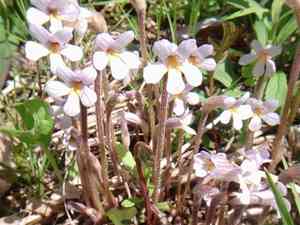
Wavyleaf indian paintbrush (Castilleja applegatei)
Also known as: Applegate's Paintbrush, Pine indian paintbrush
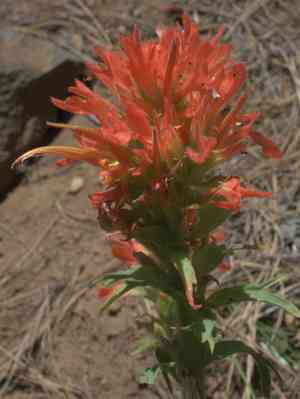
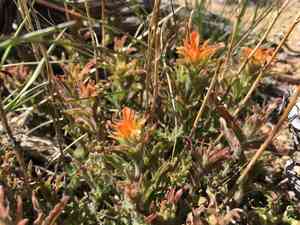
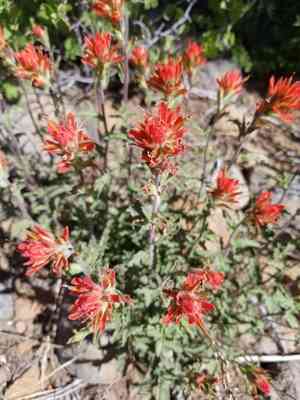
The Wavyleaf Indian Paintbrush (Castilleja applegatei) is a perennial herb native to the western U.S., characterized by its wavy-edged, sticky leaves. Blooming in summer, it showcases bright orange tubular flowers. This plant flourishes in sunny locations with well-drained soil and is a hemiparasite, obtaining nutrients from the roots of neighboring plants.
In This Article
Attributes of Wavyleaf indian paintbrush
Lifespan
Perennial
Plant Type
Herb, Shrub
Plant Height
46 cm to 79 cm
Spread
Not applicable
Leaf Color
Green
Flower Size
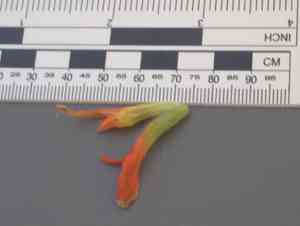
2 cm to 3.5 cm
Flower Color
Red Orange
Images of Wavyleaf indian paintbrush
Quickly Identify Wavyleaf indian paintbrush
1
You can identify Castilleja applegatei by its brightly colored bracts, typically in shades of red or orange, and its green leaves that are often lobed.
Scientific Classification of Wavyleaf indian paintbrush
Phylum
Vascular plants
Class
Dicotyledons
Order
Lamiales
Family
Broomrape
Genus
Indian paintbrush
Species
Wavyleaf indian paintbrush
Planting and Growing of Wavyleaf indian paintbrush
Care Difficulty
Hard
Watering Schedule
Every 2 days
Sunlight Requirements
Full sun
Sunshine Duration
4-8 hours
Ideal Temperature
60-75℉
Soil Type
Potting Mix, Peat Mix
Soil pH
6.5-7.5
Fertilizer Type
Balanced
Pruning Season
Spring, Summer
Pruning Area
Branches, Leaves
Pruning Frequency
2 times a year
Repotting Season
Spring
Pot Type
Plastic, Ceramic
 How to Water Wavyleaf indian paintbrush?
Castilleja applegatei, known for its vibrant blooms, enjoys a balance between not too dry and not overwatered. Watering should provide about 300 milliliters until the soil feels evenly moist but not soggy. This ensures that the plant's roots have enough moisture while preventing root rot.
What are the symptoms of an underwatered Wavyleaf indian paintbrush?
›
What should I do if my Wavyleaf indian paintbrush is not getting enough water?
›
What are the symptoms of an overwatered Wavyleaf indian paintbrush?
›
How to save an overwatered Wavyleaf indian paintbrush?
›
 What Are the Sunlight Requirements for Wavyleaf indian paintbrush?
Castilleja applegatei thrives in full to partial sunlight. Full sun exposure ensures the best growth and flowering, enhancing the plant's health by providing ample energy for photosynthesis.
More About Sunlight Requirements Techniques→
Preferred Sunlight Intensity
›
Solutions to Provide Ideal Light
›
Benefits of Ideal Lighting
›
 What Is the Ideal Temperature Range for Wavyleaf indian paintbrush?
The ideal temperature range for growing Castilleja applegatei is between 60°F and 75°F. In this range, the plant can efficiently conduct photosynthesis and other metabolic processes. Maintaining this range promotes healthy growth, vibrant blooms, and resilience against pests and diseases.
 What Soil is Best for Wavyleaf indian paintbrush?
Castilleja applegatei thrives in soil with excellent drainage. Well-drained soil prevents waterlogging, which can lead to root rot and other fungal diseases. Choosing soil that provides this requirement will ensure that the roots receive the oxygen they need and nutrients remain available without leaching away. This plant prefers soils with moderate nutrient content, avoiding overly rich or poor soils. Such conditions facilitate balanced growth, enabling the plant to establish itself without excessive lush growth that may be unsupported by the root structure. A soil pH between 6.5 and 7.5 is ideal. This range allows optimal uptake of essential nutrients while minimizing the risk of nutrient lockout, thus promoting healthy, vibrant foliage.
 How to Fertilize Wavyleaf indian paintbrush?
For Castilleja applegatei, a balanced, mild composition like a 10-10-10 fertilizer works well. Use about half the recommended dose to avoid over-fertilizing due to its delicate nutrient need. Use 1 tablespoon per gallon of water for liquid fertilizers.
 How to Prune Wavyleaf indian paintbrush?
Carefully examine your Castilleja applegatei and remove any damaged or dead stems by cutting them back to healthy tissue. This selective thinning technique improves air circulation around the plant, boosting its overall vigor. Shape your plant by trimming overgrown stems to maintain a compact, bushy form. Focus on cutting just above a leaf node to promote fuller growth. This not only enhances its natural beauty but also helps sustain its structure.
More About Pruning Techniques→
 How to Propagate Wavyleaf indian paintbrush plant?
1
Collect seeds from mature Castilleja applegatei plants during late summer or early autumn when the seed pods are dry. Ensure the seeds are fully mature for better germination rates.
2
Clean the seeds to remove any debris or plant material. This step helps in reducing mold or disease occurrence during germination. Stratify seeds by placing them in a moist environment to break dormancy.
3
Fill seed trays with a sterilized potting mix. Evenly distribute the seeds on the surface, covering them lightly with more potting mix. Ensure the soil remains moist but not waterlogged to promote germination.
 How to Repot Wavyleaf indian paintbrush plant?
1
Repotting Castilleja applegatei should ideally be done in spring or early summer when the plant is emerging from dormancy. Look for signs like slow growth, roots circling the pot, or compacted soil. These are clear indicators that your plant needs a fresh space to thrive.
2
Choose a pot that is 1-2 inches larger in diameter than the current one, ensuring it has ample drainage holes. A slightly larger pot allows room for growth without overwhelming the root system, thus preventing waterlogging and root rot—a common issue for this species.
3
Opt for a well-draining sandy mix to mimic the plant’s natural habitat. This type of soil prevents water accumulation around the roots, a key to keeping Castilleja applegatei healthy. Including perlite or coarse sand can enhance drainage, crucial for preventing root diseases.
Learn More About Wavyleaf indian paintbrush Diseases
Anthracnose
Bacterial Leaf Spot
Bacterial Wilt
Chemical Injury
Crown Gall
Cyst Nematode
Damping-off
Downy Mildew
Drought Stress
Fusarium Wilt
Gray Mold
Leaf Curl
Leaf Spot
Mosaic
Nutrient Deficiency
Nutrient Toxicity
Powdery Mildew
Root Rot
Root-knot Nematode
Rusts
Sooty Mold
Spider Mites
Temperature Stress
Thrips Damage
White Mold



